Delve into the fascinating world of the philosophy of science with this thought-provoking book list. From the nature of scientific inquiry to the ethical implications of scientific advancements, these titles offer a comprehensive exploration of the subject.
Join renowned philosophers and scientists as they examine the foundations of scientific knowledge and challenge our understanding of the world. Whether you're a student, a researcher, or simply curious about the intersection of philosophy and science, this collection is a must-read.
Die besten 28 Bücher zu Philosophy Of Science
- Einleitung anhören01:06
Worum geht's in The Order of Things?
The Order of Things (1966) is a philosophical examination of our most basic beliefs about knowledge. With depth and skill, it exposes the shaky foundations holding up society’s perceived truths and argues that much of what we know actually just relies on chance.
Wer The Order of Things lesen sollte
- Philosophers interested in theories of language and knowledge
- Students of history and science
- Critical thinkers questioning modern scientific paradigms
Worum geht's in The Mismeasure of Man?
The Mismeasure of Man by Stephen Jay Gould explores the history of attempts to measure intelligence and the flawed assumptions and methods behind these efforts. Gould critiques the concept of biological determinism and argues against the use of IQ tests as a measure of human worth. Through engaging storytelling and meticulous analysis, the book challenges the idea that intelligence can be neatly quantified and raises important questions about the social and ethical implications of such beliefs.
Wer The Mismeasure of Man lesen sollte
- Individuals interested in understanding the flaws of intelligence testing
- People who want to challenge the notion of biological determinism
- Readers who seek to explore the history of scientific racism and its impact
Worum geht's in The Trouble with Physics?
The Trouble with Physics by Lee Smolin delves into the current state of theoretical physics and the challenges it faces. Smolin critiques the dominance of string theory and its failure to make testable predictions, while also offering insights into potential alternative theories that could lead to a deeper understanding of the universe.
Wer The Trouble with Physics lesen sollte
- Physics enthusiasts who want to understand the challenges and limitations of current theories
- Individuals curious about the philosophy and methodology of scientific inquiry
- Students and academics looking to critically examine the foundations of modern physics
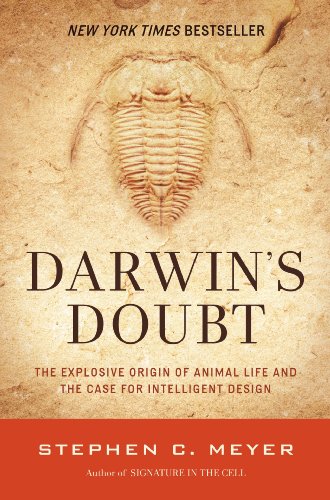
Worum geht's in Darwin's Doubt?
Darwin's Doubt by Stephen C. Meyer examines the theory of evolution and the sudden appearance of complex animal life in the fossil record during the Cambrian explosion. Meyer challenges the traditional account of Darwinian evolution and presents the argument for intelligent design as a more plausible explanation for the origin of species.
Wer Darwin's Doubt lesen sollte
- Readers with an interest in the debate between intelligent design and evolution
- Those curious about the scientific challenges to Darwinian evolution
- Individuals who enjoy exploring complex and controversial topics with an open mind
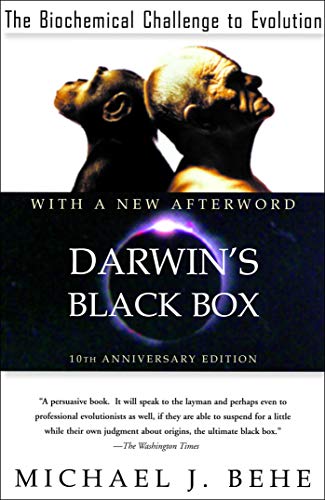
Worum geht's in Darwin's Black Box?
Darwin's Black Box (1996) challenges the theory of evolution by proposing the concept of "irreducible complexity." Author Michael J. Behe argues that certain biological systems are so intricate that they cannot be explained by gradual, small steps of evolution. Through various examples, the book attempts to cast doubts on the idea that natural selection is the sole driving force behind the development of life on Earth.
Wer Darwin's Black Box lesen sollte
- Individuals interested in the intersection of science and religion
- Readers who want to explore the concept of intelligent design
- Those curious about the limitations of Darwinian evolution
Worum geht's in Theory and Reality?
Theory and Reality by Peter Godfrey-Smith explores the philosophy of science and the nature of scientific knowledge. It delves into questions such as how scientific theories are developed, tested, and revised, and how they relate to our understanding of reality. Through clear and engaging writing, the book challenges readers to think critically about the scientific process and its implications.
Wer Theory and Reality lesen sollte
- Students and academics studying the philosophy of science
- Curious individuals who want to understand how science works and its relationship to reality
- Readers who enjoy thought-provoking explorations of complex ideas
Worum geht's in Biology as Ideology?
Biology as Ideology by Richard C. Lewontin challenges the notion that science is purely objective and free from societal influences. Through thought-provoking analysis, the book explores how biological theories and research can be shaped by political and economic interests, and how they can perpetuate social inequalities. It encourages readers to critically examine the role of biology in shaping our understanding of the world.
Wer Biology as Ideology lesen sollte
- Students or professionals in the field of biology
- Individuals interested in the intersection of science and ideology
- Readers who want to critically examine the societal implications of biological knowledge
Worum geht's in The Making of the Atomic Bomb?
The Making of the Atomic Bomb is a Pulitzer Prize-winning book by Richard Rhodes that delves into the scientific and political developments that led to the creation of the atomic bomb during World War II. Through extensive research and interviews, the book provides a comprehensive history of the key individuals and events that shaped this monumental moment in human history.
Wer The Making of the Atomic Bomb lesen sollte
- Curious individuals with an interest in the history of science and technology
- Readers who enjoy in-depth explorations of significant historical events
- Students and educators seeking a comprehensive understanding of the development and impact of nuclear weapons
Worum geht's in Representing and Intervening?
'Representing and Intervening' by Ian Hacking delves into the philosophical and practical aspects of scientific experimentation. It explores the relationship between scientific theories and the real world, challenging the traditional views of scientific realism and offering new insights into how scientists intervene in nature to produce knowledge. A thought-provoking and essential read for anyone interested in the philosophy of science.
Wer Representing and Intervening lesen sollte
- Philosophy enthusiasts who are interested in the nature of scientific knowledge
- Scientists and researchers who want to explore the philosophical underpinnings of their work
- Students or academics studying the philosophy of science
Worum geht's in Science and the Modern World?
Science and the Modern World by Alfred North Whitehead explores the impact of scientific advancements on our understanding of the universe and our place within it. Whitehead delves into the philosophical and metaphysical implications of modern science, challenging traditional views and offering a new perspective on the relationship between science, nature, and humanity.
Wer Science and the Modern World lesen sollte
- Students or professionals who want to understand the role of science in shaping the modern world
- Readers interested in the philosophical implications of scientific advancements
- Individuals curious about the intersection of science, technology, and society
Worum geht's in Progress and Its Problems?
Progress and Its Problems by Larry Laudan challenges the traditional view of scientific progress and offers a thought-provoking analysis of the complexities and limitations of scientific knowledge. Through compelling arguments and real-world examples, the book delves into the challenges and controversies surrounding scientific advancement, ultimately calling for a more nuanced understanding of what constitutes progress in the scientific community.
Wer Progress and Its Problems lesen sollte
- Philosophy students seeking a critical examination of scientific progress
- Scientists and researchers interested in the limitations and challenges of their work
- Readers who enjoy thought-provoking discussions on the nature of knowledge and truth
Worum geht's in Gödel, Escher, Bach?
Gödel, Escher, Bach is a Pulitzer Prize-winning book by Douglas Hofstadter that explores the interconnectedness of mathematics, art, and music. Through an engaging blend of analogies, puzzles, and thought experiments, Hofstadter delves into the works of mathematician Kurt Gödel, artist M.C. Escher, and composer Johann Sebastian Bach to unravel the mysteries of human cognition and the nature of self-reference.
Wer Gödel, Escher, Bach lesen sollte
- Readers who are curious about the nature of human consciousness and creativity
- Individuals interested in exploring the intersection of art, music, mathematics, and technology
- People who enjoy thought-provoking, intellectually stimulating, and mind-expanding literature
Worum geht's in Women in Science?
Women in Science by Rachel Ignotofsky is an inspiring and informative book that celebrates the achievements of 50 remarkable women who have made significant contributions to the field of science. Through beautiful illustrations and engaging storytelling, Ignotofsky highlights the diverse accomplishments of these women and encourages young girls to pursue their passion for science.
Wer Women in Science lesen sollte
- Women who are interested in pursuing or advancing their careers in science
- Young girls who are curious about the contributions of women in STEM fields
- Anyone looking to be inspired by the stories of female scientists who overcame challenges and made significant discoveries
Worum geht's in Lost in Math?
Lost in Math by Sabine Hossenfelder challenges the notion that beauty and elegance should guide the direction of theoretical physics. Hossenfelder argues that the field has become too focused on mathematical theories that lack empirical evidence, ultimately hindering scientific progress. Through engaging storytelling and thought-provoking analysis, the book offers a fresh perspective on the pursuit of knowledge in the world of physics.
Wer Lost in Math lesen sollte
- Individuals interested in the philosophy and foundations of science
- Readers who want to understand the limitations of current scientific theories
- Those who enjoy engaging with complex ideas and challenging their preconceptions
Worum geht's in Nonsense on Stilts?
Nonsense on Stilts by Massimo Pigliucci delves into the world of pseudoscience and examines the reasons why people are drawn to irrational beliefs. Through engaging examples and insightful analysis, the book challenges the credibility of various pseudoscientific claims and encourages critical thinking in the face of misinformation.
Wer Nonsense on Stilts lesen sollte
- Readers who are curious about the intersection of science and society
- Those who want to develop critical thinking skills and learn how to spot pseudoscience
- Individuals who enjoy thought-provoking discussions on controversial topics
Worum geht's in The Clockwork Universe?
The Clockwork Universe by Edward Dolnick explores the scientific revolution of the 17th century and the profound changes it brought to our understanding of the universe. Through captivating storytelling, the book delves into the lives of key figures such as Galileo, Kepler, and Newton, and their groundbreaking discoveries that laid the foundation for modern science.
Wer The Clockwork Universe lesen sollte
- Enthusiastic individuals who are curious about the history of science
- Readers who are fascinated by the impact of scientific discoveries on society
- Those who enjoy engaging narratives that blend scientific explanations with human stories
Worum geht's in The Essential Tension?
The Essential Tension by Thomas S. Kuhn explores the nature of scientific revolutions and the inherent tension between tradition and innovation in the field of science. Kuhn challenges the idea of linear progress in scientific knowledge and argues that scientific development is characterized by periods of stability and upheaval, ultimately reshaping our understanding of the scientific process.
Wer The Essential Tension lesen sollte
- Readers who are interested in the philosophy of science and scientific progress
- Anyone who wants to understand the complexities and contradictions within the scientific community
- Individuals who enjoy thought-provoking and intellectually challenging content
Worum geht's in Physics and Philosophy?
Physics and Philosophy (1958) by Werner Heisenberg explores the relationship between modern physics and philosophical concepts. He delves into the fundamental principles of quantum mechanics and the implications they have for our understanding of reality. Heisenberg challenges traditional views and offers a thought-provoking perspective on the nature of the universe.
Wer Physics and Philosophy lesen sollte
- Students and professionals in the fields of physics and philosophy
- Readers interested in the intersection of science and metaphysics
- Those curious about the implications of quantum mechanics on our understanding of reality
Worum geht's in Against Method?
Against Method challenges the traditional view of scientific progress and offers a provocative critique of the "scientific method." Author Paul Feyerabend argues that there is no one dominant method for scientific discovery and that breakthroughs often occur through unconventional means. Through historical examples and philosophical arguments, Feyerabend advocates for a more open and inclusive approach to scientific inquiry.
Wer Against Method lesen sollte
- Intellectuals who are interested in challenging traditional scientific methodologies
- Philosophy enthusiasts looking to explore alternative perspectives on the nature of science
- Students and academics in the fields of sociology of science and epistemology
Worum geht's in Science Set Free?
Science Set Free by Rupert Sheldrake challenges the dogmas of modern science and explores alternative theories that could revolutionize our understanding of the natural world. From the nature of consciousness to the laws of nature, Sheldrake presents thought-provoking ideas that encourage us to question the status quo and embrace a more open-minded approach to scientific inquiry.
Wer Science Set Free lesen sollte
- Open-minded individuals who are curious about exploring unconventional ideas in science
- People interested in challenging the current paradigms of scientific thought
- Readers who enjoy thought-provoking discussions on consciousness, evolution, and the nature of reality
Worum geht's in The Oxford Handbook of Philosophy of Science?
The Oxford Handbook of Philosophy of Science by Paul Humphreys provides a comprehensive overview of the key issues, debates, and developments in the field of philosophy of science. It covers topics such as scientific explanation, theory choice, scientific realism, and the relationship between science and society. With contributions from leading scholars, this book offers a valuable resource for anyone interested in understanding the philosophical foundations of science.
Wer The Oxford Handbook of Philosophy of Science lesen sollte
- Anyone studying or teaching philosophy of science
- Professionals in scientific fields looking to explore the philosophical underpinnings of their work
- Curious individuals who want to deepen their understanding of the nature of science and its methodologies
Worum geht's in Darwin's Dangerous Idea?
Darwin's Dangerous Idea by Daniel C. Dennett explores the profound impact of Charles Darwin's theory of evolution on our understanding of the natural world and our place in it. Dennett delves into the controversial implications of evolution by natural selection, challenging traditional beliefs and offering thought-provoking insights into the nature of life itself.
Wer Darwin's Dangerous Idea lesen sollte
- Readers with a strong interest in philosophy, science, and evolutionary biology
- Individuals who enjoy thought-provoking and intellectually stimulating content
- Those who are open to challenging their existing beliefs and expanding their understanding of the world
Worum geht's in The Blind Watchmaker?
The Blind Watchmaker by Richard Dawkins explores the theory of evolution and challenges the idea that the complexity of the natural world is evidence for the existence of a creator. Using clear and compelling arguments, Dawkins explains how natural selection can account for the diversity and intricacy of life on Earth.
Wer The Blind Watchmaker lesen sollte
- Readers who are curious about the theory of evolution
- Individuals interested in understanding the scientific explanation for the complexity of life
- People who enjoy thought-provoking and intellectually stimulating books
Worum geht's in From a Logical Point of View?
From a Logical Point of View (1953) by Willard Van Orman Quine is a collection of essays that delves into the philosophy of logic and language. Quine challenges traditional philosophical theories and offers his own perspectives on topics such as the nature of reality, the limits of knowledge, and the importance of empirical evidence. This thought-provoking book invites readers to reconsider their fundamental beliefs about the world.
Wer From a Logical Point of View lesen sollte
- Individuals with a strong interest in philosophy and metaphysics
- Readers who enjoy complex and thought-provoking explorations of language and meaning
- Philosophy students and academics looking to expand their understanding of logical positivism and its critiques
Worum geht's in Philosophy of Science?
Philosophy of Science by Samir Okasha delves into the fundamental questions and debates surrounding the nature of science. From the scientific method to the concept of scientific progress, Okasha explores how science works and how it shapes our understanding of the world. This thought-provoking book challenges readers to critically examine their own beliefs about science and its role in society.
Wer Philosophy of Science lesen sollte
- Anyone interested in understanding the nature of scientific knowledge
- Individuals who want to critically evaluate scientific claims and arguments
- Students and academics looking to deepen their understanding of the philosophy of science
Worum geht's in Understanding Philosophy of Science?
Understanding Philosophy of Science by James Ladyman provides a comprehensive overview of the key concepts and debates within the philosophy of science. It delves into topics such as the nature of scientific theories, the role of observation and experimentation, and the relationship between science and reality. With clear explanations and thought-provoking insights, this book is essential reading for anyone interested in understanding the foundations of scientific knowledge.
Wer Understanding Philosophy of Science lesen sollte
- Students and academics studying philosophy, particularly philosophy of science
- Anyone with an interest in understanding the nature of scientific knowledge and its implications
- Readers who enjoy intellectually stimulating and thought-provoking discussions
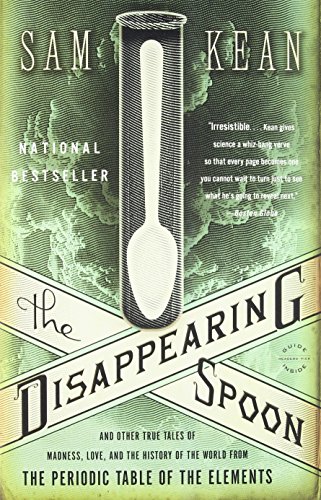
Worum geht's in The Disappearing Spoon?
The Disappearing Spoon by Sam Kean is a fascinating blend of science and history that explores the periodic table and the elements within it. Through captivating stories and anecdotes, Kean delves into the unique properties and quirks of various elements, revealing the surprising ways they have shaped human history and our understanding of the world.
Wer The Disappearing Spoon lesen sollte
- Anyone with a curious mind interested in the stories behind the elements
- Science enthusiasts looking for an engaging and entertaining read
- People who enjoy connecting historical events with scientific discoveries
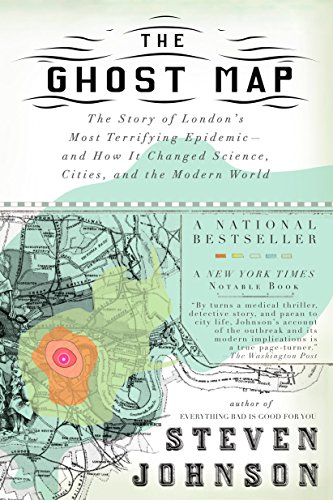
Worum geht's in The Ghost Map?
The Ghost Map by Steven Johnson examines the 1854 cholera outbreak in London and the investigation that led to a groundbreaking discovery in the field of public health. With meticulous research and compelling storytelling, Johnson uncovers the connection between the spread of the disease and the city's water source, ultimately changing the way we understand and combat infectious diseases. A must-read for anyone interested in the intersection of science, history, and urban development.
Wer The Ghost Map lesen sollte
- Readers who are interested in the history of infectious diseases
- Those who enjoy narrative non-fiction and stories of scientific discovery
- Individuals who want to understand the impact of urbanization on public health




Ähnliche Themen
Häufig gestellte Fragen zu Philosophy Of Science
Was ist das beste Buch zum Thema Philosophy Of Science?
Die Wahl eines einzigen Buches zu einem Thema ist immer schwierig, aber viele halten The Order of Things für die ultimative Lektüre zum Thema Philosophy Of Science.
Was sind die Top 10 Bücher zum Thema Philosophy Of Science?
Die Blinkist-Kurator:innen haben Folgendes ausgewählt:
- The Order of Things von Michel Foucault
- The Mismeasure of Man von Stephen Jay Gould
- The Trouble with Physics von Lee Smolin
- Darwin's Doubt von Stephen C. Meyer
- Darwin's Black Box von Michael J. Behe
- Theory and Reality von Peter Godfrey-Smith
- Biology as Ideology von Richard C. Lewontin
- The Making of the Atomic Bomb von Richard Rhodes
- Representing and Intervening von Ian Hacking
- Science and the Modern World von Alfred North Whitehead
Wer sind die wichtigsten Autor:innen zum Thema Philosophy Of Science?
Wenn es um Philosophy Of Science geht, stechen diese Autor:innen als besonders einflussreich hervor:
- Michel Foucault
- Stephen Jay Gould
- Lee Smolin
- Stephen C. Meyer
- Michael J. Behe