Embark on a fascinating journey through the history of science with this curated book list. From the ancient discoveries of Greek philosophers to the groundbreaking theories of modern scientists, this collection offers a comprehensive exploration of scientific progress.
Delve into the stories of scientific pioneers, the revolutions that shaped our understanding of the world, and the remarkable advancements that have propelled us into the future. Whether you're a science enthusiast or simply curious about our scientific heritage, these books are a must-read.
Los mejores 26 History Of Science libros
¿De qué trata The Mismeasure of Man?
The Mismeasure of Man by Stephen Jay Gould explores the history of attempts to measure intelligence and the flawed assumptions and methods behind these efforts. Gould critiques the concept of biological determinism and argues against the use of IQ tests as a measure of human worth. Through engaging storytelling and meticulous analysis, the book challenges the idea that intelligence can be neatly quantified and raises important questions about the social and ethical implications of such beliefs.
¿Quién debería leer The Mismeasure of Man?
- Individuals interested in understanding the flaws of intelligence testing
- People who want to challenge the notion of biological determinism
- Readers who seek to explore the history of scientific racism and its impact
¿De qué trata A More Perfect Heaven?
A More Perfect Heaven by Dava Sobel explores the life and work of Nicolaus Copernicus, the man who proposed the heliocentric model of the universe. Through a captivating blend of history and science, Sobel tells the story of Copernicus's revolutionary idea and its impact on our understanding of the cosmos. It offers a fascinating glimpse into a pivotal moment in the history of astronomy.
¿Quién debería leer A More Perfect Heaven?
- Readers who are curious about the history of scientific discovery
- Those with an interest in astronomy and the solar system
- Individuals who enjoy biographies of influential thinkers and innovators
¿De qué trata God's Philosophers?
God's Philosophers by James Hannam explores the forgotten history of medieval science and the significant contributions made by Christian scholars. It challenges the misconception that the Middle Ages were a "dark" period for scientific advancement and highlights the groundbreaking work in fields such as astronomy, physics, and medicine during this time.
¿Quién debería leer God's Philosophers?
- Individuals interested in the history of science and its relationship with religion
- Readers who want to gain a deeper understanding of medieval intellectual achievements
- Those who enjoy engaging and accessible narratives that explore complex ideas
¿De qué trata Coming of Age in the Milky Way?
Coming of Age in the Milky Way by Timothy Ferris is a fascinating exploration of the history and evolution of our understanding of the universe. From ancient civilizations to modern scientific discoveries, the book delves into the complex theories and groundbreaking advancements that have shaped our knowledge of the cosmos. It offers a captivating journey through time and space, revealing the interconnectedness of humanity and the universe.
¿Quién debería leer Coming of Age in the Milky Way?
- Curious individuals who want to understand the universe and the history of astronomy
- People who enjoy engaging and accessible science writing
- Readers who are interested in the intersection of scientific discovery and human culture
¿De qué trata The Clockwork Universe?
The Clockwork Universe by Edward Dolnick explores the scientific revolution of the 17th century and the profound changes it brought to our understanding of the universe. Through captivating storytelling, the book delves into the lives of key figures such as Galileo, Kepler, and Newton, and their groundbreaking discoveries that laid the foundation for modern science.
¿Quién debería leer The Clockwork Universe?
- Enthusiastic individuals who are curious about the history of science
- Readers who are fascinated by the impact of scientific discoveries on society
- Those who enjoy engaging narratives that blend scientific explanations with human stories
¿De qué trata Gödel, Escher, Bach?
Gödel, Escher, Bach is a Pulitzer Prize-winning book by Douglas Hofstadter that explores the interconnectedness of mathematics, art, and music. Through an engaging blend of analogies, puzzles, and thought experiments, Hofstadter delves into the works of mathematician Kurt Gödel, artist M.C. Escher, and composer Johann Sebastian Bach to unravel the mysteries of human cognition and the nature of self-reference.
¿Quién debería leer Gödel, Escher, Bach?
- Readers who are curious about the nature of human consciousness and creativity
- Individuals interested in exploring the intersection of art, music, mathematics, and technology
- People who enjoy thought-provoking, intellectually stimulating, and mind-expanding literature
¿De qué trata Medical Apartheid?
Medical Apartheid by Harriet A. Washington is a groundbreaking book that exposes the dark history of medical experimentation on African Americans. Through extensive research, Washington uncovers the unethical and often brutal treatment of black individuals in the name of scientific advancement. This eye-opening account sheds light on a disturbing chapter in the history of medicine and raises important questions about ethics and equality in healthcare.
¿Quién debería leer Medical Apartheid?
- Individuals interested in the history of medical racism and unethical medical research
- Healthcare professionals seeking to understand and address racial disparities in medicine
- Activists and advocates working to promote health equity and social justice
¿De qué trata The Song of the Dodo?
The Song of the Dodo by David Quammen is a captivating exploration of island biogeography and the concept of extinction. Through fascinating stories and scientific research, Quammen delves into the unique ecosystems of islands and the impact of human activity on the survival of species. This thought-provoking book sheds light on the interconnectedness of life on Earth and the importance of conservation.
¿Quién debería leer The Song of the Dodo?
- Anyone interested in the science of evolution and extinction
- Nature lovers and conservationists seeking a deeper understanding of ecological systems
- Readers curious about the history and future of animal species and their habitats
¿De qué trata Black Women in Science?
Black Women in Science by Kimberly Brown Pellum is an inspiring and informative book that highlights the incredible contributions of Black women in the field of science. Through engaging stories and profiles, the book sheds light on the often overlooked achievements of these trailblazing women and serves as a source of empowerment for future generations.
¿Quién debería leer Black Women in Science?
- Readers who are interested in learning about the contributions of Black women in the field of science
- Parents and educators looking for inspiring and educational books for children
- Individuals who want to celebrate diversity and promote representation in STEM
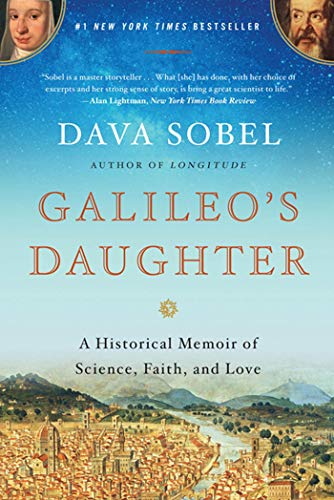
¿De qué trata Galileo's Daughter?
Galileo's Daughter by Dava Sobel tells the fascinating story of Galileo Galilei and his relationship with his illegitimate daughter, Sister Maria Celeste. Through a collection of letters exchanged between them, Sobel offers a unique perspective on Galileo's life and work, as well as the challenges and sacrifices faced by women in 17th-century Italy.
¿Quién debería leer Galileo's Daughter?
- Individuals with an interest in the history of science and astronomy
- Readers who enjoy biographies that bring historical figures to life
- Those curious about the intersection of religion and science during Galileo's time
¿De qué trata Darwin's Ghosts?
Darwin's Ghosts by Rebecca Stott explores the history of evolutionary thought and the individuals who contributed to its development before Charles Darwin. Through engaging storytelling and meticulous research, Stott uncovers the forgotten pioneers who laid the groundwork for Darwin's groundbreaking theory of evolution. This thought-provoking book sheds light on the complex and often overlooked history of scientific discovery.
¿Quién debería leer Darwin's Ghosts?
- Readers with an interest in the history of science and evolution
- Those who appreciate biographical narratives of influential figures
- Individuals who enjoy exploring the intellectual and cultural context of scientific discoveries
¿De qué trata The Discoverers?
The Discoverers by Daniel J. Boorstin is a captivating exploration of the individuals and ideas that have shaped human history through their quest for knowledge and discovery. From ancient civilizations to the scientific revolution, Boorstin delves into the fascinating stories behind groundbreaking inventions, geographical explorations, and intellectual breakthroughs that have transformed our understanding of the world.
¿Quién debería leer The Discoverers?
- Curious individuals seeking to explore the history of human discovery
- Readers interested in the intersection of science, culture, and exploration
- Those who enjoy thought-provoking narratives that challenge conventional wisdom
¿De qué trata The Seashell on the Mountaintop?
The Seashell on the Mountaintop by Alan Cutler is an enlightening biography of Nicolaus Steno, a 17th-century scientist who made groundbreaking contributions to the fields of geology and anatomy. With vivid storytelling, Cutler takes us on a journey through Steno's life, uncovering his discoveries and the enduring legacy he left on our understanding of the Earth's history.
¿Quién debería leer The Seashell on the Mountaintop?
- Curious individuals interested in the history of science
- Readers who enjoy biographies of visionary thinkers
- People who appreciate the connection between spirituality and scientific exploration
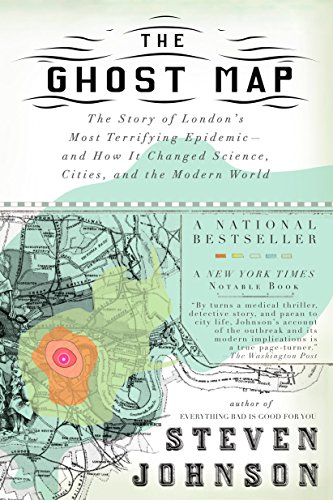
¿De qué trata The Ghost Map?
The Ghost Map by Steven Johnson examines the 1854 cholera outbreak in London and the investigation that led to a groundbreaking discovery in the field of public health. With meticulous research and compelling storytelling, Johnson uncovers the connection between the spread of the disease and the city's water source, ultimately changing the way we understand and combat infectious diseases. A must-read for anyone interested in the intersection of science, history, and urban development.
¿Quién debería leer The Ghost Map?
- Readers who are interested in the history of infectious diseases
- Those who enjoy narrative non-fiction and stories of scientific discovery
- Individuals who want to understand the impact of urbanization on public health
¿De qué trata The Glass Universe?
The Glass Universe by Dava Sobel tells the remarkable story of a group of women who worked at the Harvard College Observatory in the late 19th and early 20th centuries. These "human computers" made groundbreaking discoveries in the field of astronomy, forever changing our understanding of the stars and the universe. Through meticulous research and captivating storytelling, Sobel brings to light the incredible contributions of these unsung heroines.
¿Quién debería leer The Glass Universe?
- Enthusiastic readers who enjoy compelling stories of women in science
- Individuals with a passion for astronomy and the history of scientific discoveries
- Those who appreciate well-researched non-fiction that brings to light overlooked contributions
¿De qué trata The Making of the Atomic Bomb?
The Making of the Atomic Bomb is a Pulitzer Prize-winning book by Richard Rhodes that delves into the scientific and political developments that led to the creation of the atomic bomb during World War II. Through extensive research and interviews, the book provides a comprehensive history of the key individuals and events that shaped this monumental moment in human history.
¿Quién debería leer The Making of the Atomic Bomb?
- Curious individuals with an interest in the history of science and technology
- Readers who enjoy in-depth explorations of significant historical events
- Students and educators seeking a comprehensive understanding of the development and impact of nuclear weapons
¿De qué trata The Victorian Internet?
The Victorian Internet by Tom Standage explores the surprising parallels between the telegraph and the internet. Through engaging storytelling, Standage delves into the social and cultural impact of the telegraph during the Victorian era, revealing how it transformed communication and connected people across the world. A fascinating read for history buffs and tech enthusiasts alike.
¿Quién debería leer The Victorian Internet?
- Readers interested in the history and evolution of communication technology
- Those curious about how inventions from the past can offer insights into today's digital age
- People who enjoy engaging and accessible non-fiction books
¿De qué trata The Invention of Science?
The Invention of Science by David Wootton explores the fascinating history of how modern science came to be. Through meticulous research and engaging storytelling, Wootton reveals the key moments and individuals that shaped our understanding of the natural world. From the scientific revolution to the development of the scientific method, this book offers a thought-provoking journey through the origins of one of humanity's greatest achievements.
¿Quién debería leer The Invention of Science?
- Anyone interested in the history and philosophy of science
- Readers who want to understand the cultural and social impact of scientific inventions
- Individuals who enjoy exploring the intellectual challenges and breakthroughs of the past
¿De qué trata Black Pioneers of Science and Invention?
Black Pioneers of Science and Invention by Louis Haber is a fascinating exploration of the often overlooked contributions of African Americans to the fields of science and technology. From inventors and engineers to mathematicians and doctors, this book sheds light on the incredible achievements of individuals who have helped shape our world.
¿Quién debería leer Black Pioneers of Science and Invention?
- Lovers of science and tech who want to learn about the contributions of Black innovators
- Students and educators seeking diverse perspectives in STEM history
- Anyone curious about the often overlooked achievements of African American pioneers
¿De qué trata The Beginnings of Western Science?
The Beginnings of Western Science by David C. Lindberg explores the origins and early development of scientific thought in ancient Greece and Rome. It delves into the contributions of key figures such as Aristotle and Galen, and examines how their ideas laid the foundation for the scientific revolution in later centuries. Lindberg also discusses the influence of religion and philosophy on early scientific inquiry.
¿Quién debería leer The Beginnings of Western Science?
- Readers who are curious about the origins of Western scientific thought
- Students and scholars of the history of science
- Those interested in the intersection of science, philosophy, and religion
¿De qué trata The Knife Man?
The Knife Man by Wendy Moore delves into the fascinating life of John Hunter, a renowned 18th-century surgeon. From his groundbreaking surgical techniques to his eccentric personality, this book provides a gripping account of a man ahead of his time.
¿Quién debería leer The Knife Man?
- Readers who are interested in the history of medicine and surgery
- Individuals who enjoy biographies of eccentric and influential figures
- Those who appreciate a well-researched and engaging non-fiction narrative
¿De qué trata Voyage of the Beagle?
Voyage of the Beagle is a fascinating account of Charles Darwin's five-year journey around the world on the HMS Beagle. Through vivid descriptions and keen observations, Darwin shares his discoveries in geology, biology, and anthropology, laying the groundwork for his groundbreaking theory of evolution. It's a captivating blend of travelogue and scientific exploration.
¿Quién debería leer Voyage of the Beagle?
- Those interested in Charles Darwin's scientific explorations and observations
- Readers who enjoy travel narratives and adventure stories
- Individuals curious about the natural world and the origins of species
¿De qué trata The Demon Under the Microscope?
The Demon Under the Microscope by Thomas Hager delves into the gripping history of the first antibiotic, sulfa drugs. It takes us back to the early 20th century, exploring the race to find a cure for deadly infections and the groundbreaking discovery that revolutionized medicine. This book is a captivating blend of science, history, and human drama.
¿Quién debería leer The Demon Under the Microscope?
- Those interested in the history of medicine and scientific discoveries
- Readers curious about the development of antibiotics and their impact on society
- People who enjoy narrative non-fiction that combines science, human stories, and historical events
¿De qué trata The Butchering Art?
The Butchering Art by Lindsey Fitzharris delves into the gruesome world of 19th-century surgery and the pioneering work of Joseph Lister. It explores the unsanitary conditions, high mortality rates, and the revolutionary introduction of antiseptic techniques that transformed the practice of surgery. A captivating blend of history and science, this book offers a fascinating insight into a pivotal moment in medical history.
¿Quién debería leer The Butchering Art?
- Individuals interested in the history of medicine and surgery
- Medical professionals looking to gain insights into the evolution of surgical practices
- Readers who enjoy non-fiction narratives that bring the past to life with vivid storytelling
¿De qué trata The Age of Wonder?
The Age of Wonder by Richard Holmes explores the scientific and cultural developments of the 18th century. Focusing on the lives of key figures such as Joseph Banks, Humphry Davy, and William Herschel, the book delves into the world of exploration, discovery, and the birth of modern science. It offers a captivating blend of history, biography, and scientific inquiry.
¿Quién debería leer The Age of Wonder?
- Readers who are curious about the intersection of science and the arts during the 18th and 19th centuries
- Individuals who enjoy biographies of pioneering scientists and explorers
- Those who appreciate well-researched and engaging non-fiction narratives
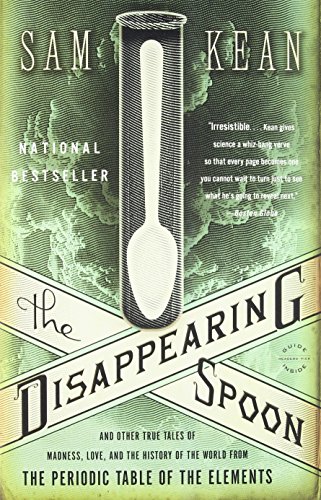
¿De qué trata The Disappearing Spoon?
The Disappearing Spoon by Sam Kean is a fascinating blend of science and history that explores the periodic table and the elements within it. Through captivating stories and anecdotes, Kean delves into the unique properties and quirks of various elements, revealing the surprising ways they have shaped human history and our understanding of the world.
¿Quién debería leer The Disappearing Spoon?
- Anyone with a curious mind interested in the stories behind the elements
- Science enthusiasts looking for an engaging and entertaining read
- People who enjoy connecting historical events with scientific discoveries






Temas relacionados
Preguntas frecuentes sobre History Of Science
¿Cuál es el mejor libro sobre History Of Science?
Elegir un solo libro sobre un tema siempre es difícil, pero muchas personas consideran que The Mismeasure of Man es la lectura definitiva sobre History Of Science.
¿Cuáles son los 10 mejores libros de History Of Science?
El equipo curador de Blinkist ha elegido los siguientes:
- The Mismeasure of Man de Stephen Jay Gould
- A More Perfect Heaven de Dava Sobel
- God's Philosophers de James Hannam
- Coming of Age in the Milky Way de Timothy Ferris
- The Clockwork Universe de Edward Dolnick
- Gödel, Escher, Bach de Douglas R. Hofstadter
- Medical Apartheid de Harriet A. Washington
- The Song of the Dodo de David Quammen
- Black Women in Science de PhD Kimberly Brown Pellum
- Galileo's Daughter de Dava Sobel
¿Quiénes son los autores más destacados de History Of Science?
Cuando se trata de History Of Science, estos autores destacan como algunos de los más influyentes:
- Stephen Jay Gould
- Dava Sobel
- James Hannam
- Timothy Ferris
- Edward Dolnick