Embark on a celestial journey with our curated book list on astronomy. From the mysteries of the universe to the wonders of our own solar system, these titles offer a captivating exploration of the cosmos.
Experience the grandeur of space through the eyes of renowned astronomers and delve into the latest discoveries that expand our understanding of the universe. Whether you're a stargazing enthusiast or simply curious about the cosmos, this collection is sure to ignite your sense of wonder.
Los mejores 27 Astronomy libros
- 1

Hyperspace
Michio Kaku
Teaser: Journey Through Parallel Universes and the 10th Dimension
4.1 (65 calificaciones)
Escuchar la introducción01:06¿De qué trata Hyperspace?
Hyperspace (1994) offers an accessible introduction to string theory, one of the most exciting ideas in modern physics. It also explores some of the implications of the theory, such as the possible existence of wormholes.
¿Quién debería leer Hyperspace?
- Physics enthusiasts
- Science fiction fans
- Anyone who wants to understand string theory
¿De qué trata Pale Blue Dot?
Pale Blue Dot (1994) by Carl Sagan is a thought-provoking exploration of our place in the universe. Through a blend of science, philosophy, and personal reflection, Sagan discusses the significance of Earth as a "pale blue dot" in the vastness of space. He challenges readers to consider the fragility of our planet and the implications for our future.
¿Quién debería leer Pale Blue Dot?
- Science enthusiasts curious about our place in the universe
- Those interested in tackling big questions about life, existence, and the cosmos
- Readers who enjoy thought-provoking and intellectually stimulating non-fiction
¿De qué trata The Feynman Lectures on Physics?
The Feynman Lectures on Physics is a classic textbook written by physicist Richard P. Feynman. Originally delivered as a series of lectures at Caltech in the 1960s, the book covers a wide range of topics in physics, from the basic principles to more advanced concepts. Known for its clear explanations and engaging style, it has become a staple for students and enthusiasts alike.
¿Quién debería leer The Feynman Lectures on Physics?
- Individuals with a passion for understanding the fundamental laws of nature
- Students pursuing a degree in physics or a related scientific field
- Readers who enjoy engaging and intellectually stimulating non-fiction
¿De qué trata The Martian?
The Martian by Andy Weir follows astronaut Mark Watney, who is mistakenly left behind on Mars after a dust storm forces his crew to evacuate. With limited supplies and ingenuity, Watney must find a way to survive on the desolate planet while NASA works tirelessly to bring him home. A thrilling tale of resilience, problem-solving, and the power of the human spirit.
¿Quién debería leer The Martian?
- Science enthusiasts and those curious about space exploration
- Readers who enjoy a mix of humor and gripping survival stories
- Individuals who appreciate detailed and realistic scientific explanations
¿De qué trata The Hunt for Vulcan?
The Hunt for Vulcan by Thomas Levenson delves into the fascinating history of astronomy and the search for a hypothetical planet named Vulcan. Through engaging storytelling and meticulous research, the book explores how scientists, including the renowned Isaac Newton and Albert Einstein, grappled with the mystery of Vulcan and its ultimate significance in shaping our understanding of the universe.
¿Quién debería leer The Hunt for Vulcan?
- Anyone interested in the history of science and astronomy
- Readers who enjoy engaging narratives about scientific discoveries
- Those curious about the process of theory development and testing in the scientific community
¿De qué trata The Elegant Universe?
The Elegant Universe by Brian Greene explores the revolutionary theories of modern physics, such as string theory and the concept of multiple dimensions. Through clear explanations and engaging storytelling, Greene takes readers on a journey to understand the fundamental nature of the universe and how it may be elegantly unified through these groundbreaking ideas.
¿Quién debería leer The Elegant Universe?
- Curious individuals seeking to understand the fundamental nature of the universe
- Science enthusiasts interested in cutting-edge theories like string theory and quantum mechanics
- Readers who enjoy exploring mind-bending concepts through captivating storytelling
¿De qué trata How I Killed Pluto and Why It Had It Coming?
How I Killed Pluto and Why It Had It Coming by Mike Brown is a fascinating account of the controversial decision to reclassify Pluto as a "dwarf planet." Brown, a renowned astronomer, takes us on a journey through his discovery of new celestial bodies in our solar system and the scientific debate that ultimately led to Pluto losing its status as the ninth planet. With wit and insight, he challenges our understanding of what it means to be a planet and sheds light on the ever-evolving field of astronomy.
¿Quién debería leer How I Killed Pluto and Why It Had It Coming?
- Enthusiastic fans of astronomy and space exploration
- Those curious about the ever-evolving nature of scientific discoveries
- Readers who enjoy engaging storytelling combined with insightful scientific insights
¿De qué trata Parallel Worlds?
Parallel Worlds by Michio Kaku explores the mind-bending concept of parallel universes and the possibility of multiple realities coexisting with our own. Through a blend of scientific theory and imaginative speculation, Kaku takes readers on a fascinating journey into the mysteries of the cosmos and challenges our understanding of the universe.
¿Quién debería leer Parallel Worlds?
- Anyone with a curiosity about the nature of reality and the universe
- Science enthusiasts and those interested in theoretical physics
- Readers who enjoy mind-bending concepts and exploring alternative dimensions
¿De qué trata The Glass Universe?
The Glass Universe by Dava Sobel tells the remarkable story of a group of women who worked at the Harvard College Observatory in the late 19th and early 20th centuries. These "human computers" made groundbreaking discoveries in the field of astronomy, forever changing our understanding of the stars and the universe. Through meticulous research and captivating storytelling, Sobel brings to light the incredible contributions of these unsung heroines.
¿Quién debería leer The Glass Universe?
- Enthusiastic readers who enjoy compelling stories of women in science
- Individuals with a passion for astronomy and the history of scientific discoveries
- Those who appreciate well-researched non-fiction that brings to light overlooked contributions
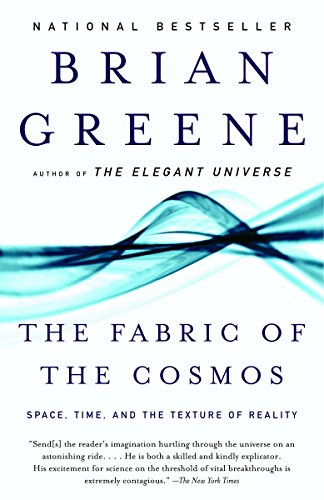
¿De qué trata The Fabric of the Cosmos?
The Fabric of the Cosmos by Brian Greene takes readers on a mind-bending journey through space, time, and the nature of reality. With engaging storytelling and clear explanations, Greene delves into cutting-edge theories in physics and cosmology, offering a new perspective on the universe and our place within it. Whether you're a science enthusiast or a casual reader, this book will expand your understanding of the fundamental laws that govern the cosmos.
¿Quién debería leer The Fabric of the Cosmos?
- Readers who are curious about the nature of reality and the universe
- Those with a fascination for physics and the latest scientific discoveries
- Individuals who enjoy mind-expanding and thought-provoking books
¿De qué trata The Human Cosmos?
The Human Cosmos explores the profound connection between humanity and the universe. Marchant delves into ancient beliefs, modern science, and personal experiences to unravel the impact of cosmic forces on our lives. From the role of astrology in shaping our personalities to the influence of celestial bodies on historical events, this book offers a thought-provoking journey through the human relationship with the cosmos.
¿Quién debería leer The Human Cosmos?
- Those curious about the intersection of science and spirituality
- Readers interested in ancient and cultural perspectives on the cosmos
- People who enjoy exploring the interconnectedness of humanity and the universe
¿De qué trata A Man on the Moon?
A Man on the Moon (1994) by Andrew Chaikin is a comprehensive account of the Apollo missions. Through interviews with astronauts, engineers, and other key figures, Chaikin brings to life the incredible challenges and triumphs of the space program. This gripping narrative takes readers on a journey to the lunar surface and offers a behind-the-scenes look at one of humanity's greatest achievements.
¿Quién debería leer A Man on the Moon?
- Space enthusiasts seeking a detailed account of the Apollo moon missions
- Readers interested in the challenges and triumphs of space exploration
- Those fascinated by the personal stories of astronauts and the human side of lunar exploration
¿De qué trata What We See in the Stars?
What We See in the Stars by Kelsey Oseid is a beautifully illustrated exploration of the myths, history, and science behind the celestial bodies in our night sky. From constellations to planets, this book takes readers on a captivating journey through the cosmos, revealing the stories and secrets hidden in the stars.
¿Quién debería leer What We See in the Stars?
- Anyone curious about the myths and science behind the stars
- Amateur stargazers looking to deepen their understanding of the night sky
- People who appreciate beautiful illustrations and engaging storytelling
¿De qué trata Astrophysics for People in a Hurry?
Astrophysics for People in a Hurry by Neil deGrasse Tyson offers a quick and engaging overview of the universe and our place within it. From the big bang to black holes, Tyson breaks down complex concepts in a way that is accessible to everyone, making it a must-read for anyone curious about the cosmos.
¿Quién debería leer Astrophysics for People in a Hurry?
- Curious individuals who want to understand the fundamentals of astrophysics
- People with limited time who still want to grasp complex scientific concepts
- Readers who enjoy Neil deGrasse Tyson's engaging and accessible writing style
¿De qué trata Packing for Mars?
Packing for Mars by Mary Roach delves into the fascinating world of space travel, exploring the physical and psychological challenges that astronauts face. Filled with humor, in-depth research, and firsthand accounts, the book provides a unique insight into the complexities of preparing for a journey to Mars and the extraordinary lengths scientists go to in order to ensure the safety and success of such missions.
¿Quién debería leer Packing for Mars?
- Enthusiastic amateur astronomers
- Curious individuals interested in space exploration
- Science enthusiasts looking for entertaining and informative reads
¿De qué trata Coming of Age in the Milky Way?
Coming of Age in the Milky Way by Timothy Ferris is a fascinating exploration of the history and evolution of our understanding of the universe. From ancient civilizations to modern scientific discoveries, the book delves into the complex theories and groundbreaking advancements that have shaped our knowledge of the cosmos. It offers a captivating journey through time and space, revealing the interconnectedness of humanity and the universe.
¿Quién debería leer Coming of Age in the Milky Way?
- Curious individuals who want to understand the universe and the history of astronomy
- People who enjoy engaging and accessible science writing
- Readers who are interested in the intersection of scientific discovery and human culture
¿De qué trata The Hidden Reality?
The Hidden Reality by Brian Greene explores the concept of parallel universes and the possibility that we may be part of a much larger multiverse. Through engaging explanations and thought-provoking ideas, Greene takes readers on a journey to uncover the hidden layers of reality and the potential implications for our understanding of the universe.
¿Quién debería leer The Hidden Reality?
- Enthusiastic science enthusiasts or anyone curious about the nature of reality
- Readers who enjoy mind-expanding ideas and thought-provoking concepts
- Those seeking a deeper understanding of the universe and the latest theories in physics
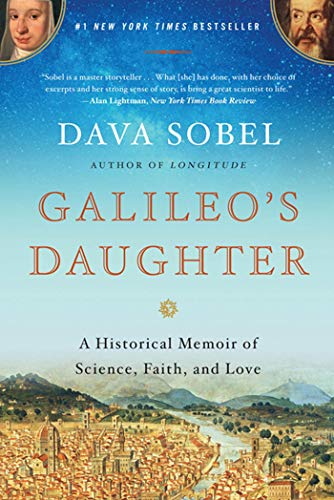
¿De qué trata Galileo's Daughter?
Galileo's Daughter by Dava Sobel tells the fascinating story of Galileo Galilei and his relationship with his illegitimate daughter, Sister Maria Celeste. Through a collection of letters exchanged between them, Sobel offers a unique perspective on Galileo's life and work, as well as the challenges and sacrifices faced by women in 17th-century Italy.
¿Quién debería leer Galileo's Daughter?
- Individuals with an interest in the history of science and astronomy
- Readers who enjoy biographies that bring historical figures to life
- Those curious about the intersection of religion and science during Galileo's time
¿De qué trata The Black Hole War?
The Black Hole War by Leonard Susskind explores the heated debate between physicists concerning the nature of black holes. As Susskind delves into the complexities of black hole theory and the concept of information paradox, he takes readers on a journey through the forefront of modern physics. This thought-provoking book challenges our understanding of the universe and the laws that govern it.
¿Quién debería leer The Black Hole War?
- Individuals with a passion for physics and cosmology
- Readers interested in the ongoing scientific debates and controversies
- Those who enjoy thought-provoking and intellectually challenging non-fiction
¿De qué trata Contact?
Contact (1985) by Carl Sagan is a thought-provoking novel that combines science, philosophy, and a touch of fiction. It explores the possibility of extraterrestrial life and the societal and personal reactions to the discovery of intelligent beings from outer space. Blending scientific accuracy with captivating storytelling, Sagan challenges our perspectives on life, the universe, and our place within it.
¿Quién debería leer Contact?
- Curious individuals who are interested in the search for extraterrestrial life
- Readers who enjoy thought-provoking and scientifically grounded speculative fiction
- Those who appreciate explorations of the intersection between science and spirituality
¿De qué trata Failure Is Not an Option?
Failure Is Not an Option by Gene Kranz is a gripping memoir that takes you behind the scenes of NASA's early days and the Apollo missions. Kranz shares his firsthand experiences as a flight director, offering insight into the challenges, triumphs, and the unwavering determination to bring astronauts safely back to Earth. It's a compelling story of teamwork, problem-solving, and the relentless pursuit of excellence.
¿Quién debería leer Failure Is Not an Option?
- Anyone seeking inspiration from the story of overcoming challenges and achieving success
- Individuals interested in the history of space exploration and NASA's Apollo program
- People who enjoy memoirs and personal accounts of extraordinary experiences
¿De qué trata Bad Astronomy?
Bad Astronomy by Philip C. Plait debunks common misconceptions and myths about space and astronomy. With wit and clarity, the book takes on topics such as the moon landing hoax, astrology, and alien encounters, revealing the truth behind these popular beliefs. It's a fascinating and entertaining read for anyone interested in separating fact from fiction in the realm of outer space.
¿Quién debería leer Bad Astronomy?
- Science enthusiasts who want to uncover common misconceptions in astronomy
- Curious individuals keen on understanding the truth behind popular astronomical myths
- Readers who enjoy engaging and entertaining explanations of complex scientific concepts
¿De qué trata The Sky Is Not the Limit?
The Sky Is Not the Limit by Neil deGrasse Tyson is a captivating memoir that takes you on a journey through the author's life and career in astrophysics. From his childhood fascination with the stars to his groundbreaking work in the field, Tyson shares inspiring stories and insights that challenge the notion of limits and encourage us to reach for the stars.
¿Quién debería leer The Sky Is Not the Limit?
- Readers who are curious about the universe and our place in it
- Those interested in astrophysics and space exploration
- People looking to be inspired by the career journey of a prominent scientist
¿De qué trata Light of the Stars?
Light of the Stars by Adam Frank explores the fascinating intersection of science and philosophy as it delves into the search for extraterrestrial life. Through thought-provoking insights and captivating storytelling, the book challenges our perspectives on the universe and our place within it.
¿Quién debería leer Light of the Stars?
- People who are curious about the possibility of extraterrestrial life
- Readers interested in the intersection of science and philosophy
- Those who enjoy exploring big questions about the universe and our place in it
¿De qué trata Death by Black Hole?
Death by Black Hole (2007) is a collection of essays by astrophysicist Neil deGrasse Tyson that delves into various ways the universe can destroy us. From the title essay on the deadly forces of black holes to discussions on asteroids, gamma ray bursts, and more, Tyson explores the wonders and dangers of outer space in an engaging and accessible manner.
¿Quién debería leer Death by Black Hole?
- Readers with a curious mind and an interest in space and astrophysics
- Individuals who enjoy engaging and accessible science writing
- Anyone looking to expand their knowledge of the universe and the phenomena within it
¿De qué trata The Pluto Files?
The Pluto Files by Neil deGrasse Tyson explores the controversy surrounding the demotion of Pluto from its planetary status. With wit and scientific insight, Tyson delves into the history of Pluto's discovery, the debate among astronomers, and the public's emotional connection to the former ninth planet. He also offers a fascinating glimpse into our evolving understanding of the solar system.
¿Quién debería leer The Pluto Files?
- Aspiring astronomers and space enthusiasts
- Readers curious about the controversy surrounding Pluto's status as a planet
- Anyone interested in Neil deGrasse Tyson's engaging and informative approach to science communication
¿De qué trata Contact?
Contact is a thought-provoking science fiction novel by Carl Sagan that explores the possibility of extraterrestrial life and our place in the universe. It follows a brilliant scientist, Ellie Arroway, as she makes contact with an alien civilization through a mysterious signal from the star Vega. Blending scientific theories with philosophical questions, the book challenges our beliefs and inspires us to ponder the mysteries of the cosmos.
¿Quién debería leer Contact?
Readers who are curious about the possibility of extraterrestrial life
Science enthusiasts interested in the search for intelligent civilizations beyond Earth
Those who enjoy thought-provoking and speculative fiction that explores big questions about the universe






Temas relacionados
Preguntas frecuentes sobre Astronomy
¿Cuál es el mejor libro sobre Astronomy?
Elegir un solo libro sobre un tema siempre es difícil, pero muchas personas consideran que Hyperspace es la lectura definitiva sobre Astronomy.
¿Cuáles son los 10 mejores libros de Astronomy?
El equipo curador de Blinkist ha elegido los siguientes:
- Hyperspace de Michio Kaku
- Pale Blue Dot de Ann Druyan, Carl Sagan
- The Feynman Lectures on Physics de Richard P. Feynman
- The Martian de Andy Weir
- The Hunt for Vulcan de Thomas Levenson
- The Elegant Universe de Brian Greene
- How I Killed Pluto and Why It Had It Coming de Mike Brown
- Parallel Worlds de Michio Kaku
- The Glass Universe de Dava Sobel
- The Fabric of the Cosmos de Brian Greene
¿Quiénes son los autores más destacados de Astronomy?
Cuando se trata de Astronomy, estos autores destacan como algunos de los más influyentes:
- Michio Kaku
- Ann Druyan, Carl Sagan
- Richard P. Feynman
- Andy Weir
- Thomas Levenson