The 20th century was a pivotal era that shaped the world we live in today. From world wars and scientific milestones to cultural revolutions and technological advancements, it was a century of profound change and innovation.
In this book list, we explore the key events and influential figures that defined the 20th century. Whether you're a history buff or simply interested in understanding the legacy of this transformative era, these books offer a fascinating journey through time.
Los mejores 44 20th Century libros
- Escuchar la introducción01:14
¿De qué trata The Laws of Simplicity?
The Laws of Simplicity consists of a set of “laws” formulated by the author to try to grasp the meaning and essence of simplicity. Along the way, it provides useful advice on how to introduce simplicity to our daily lives, business and product design.
¿Quién debería leer The Laws of Simplicity?
- Anyone who wants to design successful products
- Anyone who wants to bring more simplicity into their lives
- Anyone in sales or marketing
- 2

Steal like an artist
Austin Kleon
10 Things Nobody Told Me About the Creative Life
4.4 (408 calificaciones)
Escuchar la introducción00:48¿De qué trata Steal like an artist?
Steal Like an Artist (2012) will help you unlock the secret to creating great art: theft. No artist creates their work in a vacuum: all art is influenced by the art that came before it. Steal Like an Artist teaches you how to “steal” from the work of your heroes, and use it to create something new and unique. It also provides important advice on using the internet to launch your career, so others can enjoy your creativity!
¿Quién debería leer Steal like an artist?
- Artists or other creative types
- Anyone struggling to find inspiration
- Any artist who needs advice on launching their career
- 3

Art, Inc.
Lisa Congdon and Meg Mateo Ilasco
The Essential Guide for Building Your Career as an Artist
3.9 (54 calificaciones)
Escuchar la introducción00:46¿De qué trata Art, Inc.?
Art, Inc. is a practical guide for artists who want to earn a living from doing what they love. Art, Inc. presents the business side of the art world in a palatable way, sharing useful advice and practical guidance.
¿Quién debería leer Art, Inc.?
- Artists who want to stop struggling and earn money from their work
- Artists who want to understand the business side of the art world
- 4

Make Your Mark
Jocelyn Glei
The Creative's Guide to Building a Business with Impact
4.2 (105 calificaciones)
Escuchar la introducción00:41¿De qué trata Make Your Mark?
Make Your Mark features the wisdom and tips of 21 of the most successful entrepreneurs and creatives of the last few years. These artists, coders, developers and writers share the secrets and ideas that have helped them take their respective markets by storm.
¿Quién debería leer Make Your Mark?
- People working in the creative industry
- Anyone looking to turn their creative skills into a business
- Leaders, managers and CEOs
- 5

Creative, Inc.
Meg Mateo Ilasco and Joy Deangdeelert Cho
The Ultimate Guide to Running a Successful Freelance Business
3.9 (19 calificaciones)
Escuchar la introducción00:47¿De qué trata Creative, Inc.?
Creative, Inc. (2010) provides a handy step-by-step guide to setting up and running a freelance business. Clearly structured and packed with tips on everything from advertising and agents to portfolios and pricing, this is an indispensable guide for those considering turning their artistic talents into a freelance career.
¿Quién debería leer Creative, Inc.?
- People who want to leverage their creative skills into a freelance business
- Creative freelancers who want to earn more
- Escuchar la introducción00:55
¿De qué trata Happy City?
Happy City (2013) explains how urban planning can help us live healthier and more joyful lives in the big city. From the history of urban sprawl to design blunders, to strategies that encourage residents to socialize, relax and exercise, these blinks reveal the hidden features that can make or break city life.
¿Quién debería leer Happy City?
- Readers thinking about moving to a new city
- Students of social psychology or urban planning
- People fascinated by the inner workings of urban life
- 7

The Innovator’s Hypothesis
Michael Schrage
How Cheap Experiments Are Worth More than Good Ideas
3.8 (56 calificaciones)
Escuchar la introducción00:50¿De qué trata The Innovator’s Hypothesis?
The Innovator’s Hypothesis (2014) shows us how modern innovation no longer comes from big, costly, time-intensive research and development departments. These days, the innovation process is different. Big ideas come from business experiments being quickly conducted by small teams at little cost. It’s time to get on board and find out how your business can adapt for the future – before it’s too late!
¿Quién debería leer The Innovator’s Hypothesis?
- Futurists interested in how the next big idea will emerge
- Innovators interested in lean and agile systems of creativity
- Entrepreneurs trying to think outside the box
- 8

This is Service Design Thinking
Marc Stickdorn & Jakob Schneider
Basics, Tools, Cases
4.2 (161 calificaciones)
Escuchar la introducción00:59¿De qué trata This is Service Design Thinking?
This is Service Design Thinking (2011) presents the core principles of service design. By providing tools and real-life examples, it’s a great introduction to this evolving and interdisciplinary approach to designing services. These blinks present the most salient information on the subject.
¿Quién debería leer This is Service Design Thinking?
- Entrepreneurs and innovators
- Students and professionals of design
- Marketers and consultants
- Escuchar la introducción01:08
¿De qué trata Do Design?
Do Design (2016) is a nifty handbook for designers, crafters, and creatives of every stripe who want to know what makes design great and how they can achieve it in their own work. Covering a broad notion of design, Do Design goes beyond the design of things to reflect on how we ought to design our businesses and even our lives. Ultimately, these blinks are a call for us to transform human lives for the better by creating more beauty in the world.
¿Quién debería leer Do Design?
- Designers who want to improve their creative process
- Business leaders seeking to optimize their businesses
- Anyone who wants to create beautiful things
- Escuchar la introducción01:09
¿De qué trata Start at the End?
Start at the End (2019) provides a highly practical, step-by-step approach to designing products and services that make an impact on the world. Drawing on behavioral science, the process begins with a simple question: How do we want our potential consumers to act? It then works backward to figure out how to make that vision a reality.
¿Quién debería leer Start at the End?
- Start-up employees looking for a way to shake up their industry’s playing field
- Leaders of established companies looking for their next big idea
- Entrepreneurs interested in applying behavioral science to their pursuit of business
- 11

Why Design Matters
Debbie Millman
Conversations with the World’s Most Creative People
3.6 (145 calificaciones)
Escuchar la introducción01:53¿De qué trata Why Design Matters?
Why Design Matters (2022) is a collection of some of the best interviews from Debbie Millman’s long-running podcast of the same name. It collects over 50 interviews from over 15 years’ worth of conversations. These talks not only explain why design matters, they also show how the principles of design extend to creativity in general and the ways in which we communicate and express ourselves.
¿Quién debería leer Why Design Matters?
- Anyone interested in the creative process
- People fascinated by design and marketing
- Artists looking for inspiration
- 12

Continuous Discovery Habits
Teresa Torres
Discover Products that Create Customer Value and Business Value
4.2 (341 calificaciones)
Escuchar la introducción00:45¿De qué trata Continuous Discovery Habits ?
Continuous Discovery Habits (2021) explores how product managers and designers can keep making a positive impact on their customers’ lives. It explores an optimal decision-making process for product teams, so that they can continue to improve their offerings.
¿Quién debería leer Continuous Discovery Habits ?
- Product managers looking for a new way of working
- Entrepreneurs seeking a fresh perspective on creativity
- Product designers
- 13

The Home Edit
Clea Shearer & Joanna Teplin
A Guide to Organizing and Realizing Your House Goals
3.2 (102 calificaciones)
Escuchar la introducción01:18¿De qué trata The Home Edit?
The Home Edit (2019) proposes a straightforward formula to organize any part of the home in a way that is functional, classy, and easy to maintain. The technique it teaches is equally easy for other members of the household to learn and apply, so that everyone can enjoy a calm, happy home environment.
¿Quién debería leer The Home Edit?
- Anyone trying to maintain order and beauty in their homes
- Parents teaching their kids good housekeeping habits
- Interior designers trying to help clients maintain the spaces they create
- 14

Sell Like Crazy
Sabri Suby
How to Get As Many Clients, Customers and Sales As You Can Possibly Handle
4.2 (104 calificaciones)
Escuchar la introducción01:14¿De qué trata Sell Like Crazy?
Sell Like Crazy ( 2019 ) is a comprehensive guide that unveils step-by-step strategies for attracting your ideal customers and converting them into loyal, high-paying clients. It presents a proven blueprint for escalating your customer acquisition efforts and outlines a consultative approach to significantly enhance conversion rates.
¿Quién debería leer Sell Like Crazy?
- Entrepreneurs seeking sales growth
- Marketers seeking conversions
- Business owners looking for new customers
- 15

Visual Thinking
Temple Grandin
The Hidden Gifts of People Who Think in Pictures, Patterns, and Abstractions
4.0 (274 calificaciones)
Escuchar la introducción01:27¿De qué trata Visual Thinking?
Visual Thinking (2022) offers an authoritative view on different ways of thinking, and how those differences have been crucial to many of our biggest creative advancements. It shows how society tends to be biased toward verbal thinkers – and how visual thinkers, albeit typically underserved in society, bring an array of crucial skills to various domains.
¿Quién debería leer Visual Thinking?
- Anyone curious about autism
- Artists and creative minds
- People interested in team-building
- Escuchar la introducción00:44
¿De qué trata Well-Designed?
Well-Designed (2014) is about the transformative power of empathy in product design. It explains how understanding and empathizing with users can lead to innovative and beloved products. The book offers practical advice on observing user behavior, understanding their needs, and creating products that resonate deeply with them.
¿Quién debería leer Well-Designed?
- Product designers
- User experience professionals
- Innovative entrepreneurs
- Escuchar la introducción00:46
¿De qué trata Emotional Design?
Emotional Design (2003) delves into how emotions influence our interactions with everyday objects. It explores the three levels of design – visceral, behavioral, and reflective – and how they affect our perceptions, use, and memories of products. This book reveals the importance of these elements in creating designs that not only function well but also create emotional connections with users.
¿Quién debería leer Emotional Design?
- Design enthusiasts
- Marketing professionals
- Product developers
- 18

Brave Together
Chris Deaver, Ian Clawson
Lead by Design, Spark Creativity, and Shape the Future with the Power of Co-Creation
3.9 (59 calificaciones)
Escuchar la introducción01:54¿De qué trata Brave Together?
Brave Together (2024) explores the transformative potential of cocreation for sparking innovation and driving leadership success. Through practical advice and insights, it demonstrates how to harness collective creativity to shape a visionary future and foster a culture of collaborative achievement.
¿Quién debería leer Brave Together?
- Corporate leaders and management teams
- Creative professionals and innovators
- Anyone interested in enhancing creativity and collaboration
- 19

The Work of Art in the Age of Mechanical Reproduction
Walter Benjamin
Art's Aura in the Modern Era
3.4 (107 calificaciones)
Escuchar la introducción00:44¿De qué trata The Work of Art in the Age of Mechanical Reproduction?
The Work of Art in the Age of Mechanical Reproduction (1935) is a pioneering examination of how mechanical reproduction – particularly via photography and film – transformed the nature, value, and perception of art. It explores the concept of the "aura" of a work of art and how this aura diminishes in a reproduced work.
¿Quién debería leer The Work of Art in the Age of Mechanical Reproduction?
- Art history students
- Modern artists and critics
- Scholars interested in media theory
- 20

Get the Picture
Bianca Bosker
A Mind-Bending Journey among the Inspired Artists and Obsessive Art Fiends Who Taught Me How to See
4.1 (44 calificaciones)
Escuchar la introducción01:22¿De qué trata Get the Picture?
Get the Picture (2024) turns an investigative lens on the complex and often insular world of contemporary art along with its quirks and contradictions. It explores the obsessions that drive artists and collectors, sheds light on the personal and sometimes irrational reasons that art becomes meaningful, and unravels the motivations and passions of artists and collectors to uncover how deeper engagement with art can be achieved.
¿Quién debería leer Get the Picture?
- Art enthusiasts curious about the inner workings of the art world
- Aspiring artists seeking insight into the contemporary art scene
- Fans of deep dives into niche cultural topics
- 21

Designing Brand Identity
Alina Wheeler, Rob Meyerson
A Comprehensive Guide to the World of Brands and Branding
4.3 (49 calificaciones)
Escuchar la introducción02:08¿De qué trata Designing Brand Identity?
Designing Brand Identity (2003) breaks branding down into a simple five-step process that helps teams build a clear and confident identity. It shows how research, strategy, design, touchpoints, and long term management fit together, and it uses real examples to make the ideas feel practical and doable. It gives anyone working with a brand a straightforward way to bring focus and consistency to their work.
¿Quién debería leer Designing Brand Identity?
- Brand managers seeking a structured process
- Designers building or refreshing identities
- Entrepreneurs clarifying how their brand should show up
- 22
 Escuchar la introducción01:07
¿De qué trata Visual Thinking for Design?
Visual Thinking for Design (2025) turns years of neuroscientific research into practical advice for anyone who creates visual information. Bridging the gap between laboratory discoveries and real-world design challenges, this guide will help you understand exactly how people see and process what they’re looking at – giving you the tools you need to make your work truly effective.
¿Quién debería leer Visual Thinking for Design?
- Graphic designers and visual communicators who want to understand the science behind effective visual design
- UX/UI designers looking to create interfaces that work with how people naturally process visual information
- Students and educators who need to present complex information in ways that enhance understanding
¿De qué trata The Wanderer?
The Wanderer is a captivating novel that follows the journey of a young man who sets out on a quest to find meaning and purpose in his life. As he travels through different countries and encounters various people, he learns valuable lessons about love, friendship, and the importance of following one's own path. This thought-provoking book delves into themes of self-discovery and the universal search for fulfillment.
¿Quién debería leer The Wanderer?
- Readers who enjoy introspective journeys through personal growth and self-discovery
- Those who appreciate beautifully written and thought-provoking literature
- People who are interested in exploring themes of wanderlust, human connection, and the meaning of life
¿De qué trata Cat on a Hot Tin Roof?
Set in the Mississippi Delta, "Cat on a Hot Tin Roof" is a powerful drama that delves into the complexities of family relationships, greed, and societal expectations. The play revolves around the wealthy Pollitt family as they gather to celebrate the birthday of patriarch Big Daddy. Tensions rise as long-buried secrets and desires come to the surface, ultimately exposing the fragile facade of their lives. Williams' masterful storytelling and rich character development make this a timeless classic.
¿Quién debería leer Cat on a Hot Tin Roof?
- Readers interested in exploring themes of family dynamics and the complexities of relationships.
- Individuals who enjoy thought-provoking dramas with intense and compelling characters.
- Those looking to delve into the human condition and contemplate societal norms and expectations.
¿De qué trata One Day in the Life of Ivan Denisovich?
Set in a Soviet labor camp in the 1950s, this novel follows a day in the life of prisoner Ivan Denisovich Shukhov. Through vivid descriptions and powerful storytelling, Solzhenitsyn exposes the harsh realities of life in the gulag and the resilience of the human spirit. It offers a poignant reflection on the struggle for survival and dignity in the face of oppression.
¿Quién debería leer One Day in the Life of Ivan Denisovich?
- Readers interested in understanding the harsh reality of life in Soviet labor camps
- History enthusiasts wanting to gain insight into the human experience during totalitarian regimes
- Individuals seeking thought-provoking literature that explores themes of resilience and survival
¿De qué trata Death in Venice?
Set in the early 20th century, "Death in Venice" tells the story of a renowned writer named Gustav von Aschenbach who becomes infatuated with a young boy during his stay in Venice. As his obsession grows, Aschenbach's life begins to unravel, leading to a tragic and haunting conclusion. This novella explores themes of beauty, desire, and the inevitability of death.
¿Quién debería leer Death in Venice?
- Readers who enjoy contemplative and introspective literature
- People interested in exploring the complex human emotions and desires
- Those who appreciate beautiful prose and vivid storytelling
¿De qué trata Narcissus and Goldmund?
Narcissus and Goldmund is a novel by Hermann Hesse that explores the contrasting lives and philosophies of two friends, Narcissus and Goldmund. Set in medieval Germany, the book delves into themes of self-discovery, spirituality, and the pursuit of meaning in life. Through their unique journeys, the characters ultimately come to understand and appreciate the different paths they have chosen. It is a thought-provoking and introspective tale that delves into the complexities of human existence.
¿Quién debería leer Narcissus and Goldmund?
- Readers who are interested in exploring the complexities of human nature
- Individuals seeking philosophical insights and reflections on art, love, and self-discovery
- Those who appreciate beautifully crafted storytelling and lyrical prose
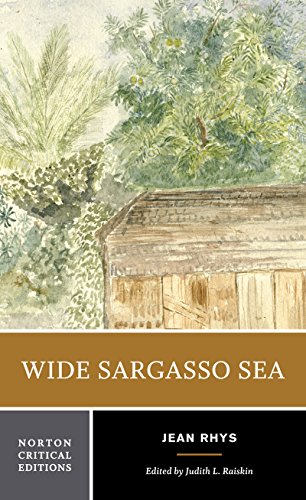
¿De qué trata Wide Sargasso Sea?
Wide Sargasso Sea is a novel by Jean Rhys that serves as a prequel to Charlotte Brontë's Jane Eyre. Set in Jamaica, it tells the story of Antoinette Cosway, a Creole woman who becomes the first wife of Mr. Rochester. The book explores themes of colonialism, racial inequality, and the oppression of women.
¿Quién debería leer Wide Sargasso Sea?
- Individuals interested in reimagined literary classics
- Readers who appreciate complex and psychologically rich characters
- Those who enjoy exploring themes of race, identity, and power in colonial settings
¿De qué trata Flowers for Algernon?
Flowers for Algernon by Daniel Keyes is a thought-provoking novel that delves into the ethical and moral implications of scientific advancement. Through the story of Charlie Gordon, a mentally disabled man who undergoes a groundbreaking experiment to increase his intelligence, the book raises important questions about the nature of intelligence, the treatment of individuals with disabilities, and the pursuit of knowledge at any cost.
¿Quién debería leer Flowers for Algernon?
Readers who enjoy thought-provoking and emotionally impactful stories
Those interested in exploring the ethical and moral implications of scientific advancement
Individuals who appreciate character-driven narratives and complex psychological insights
¿De qué trata Lolita?
Lolita is a novel by Vladimir Nabokov that delves into the controversial and taboo subject of a middle-aged man's infatuation with a twelve-year-old girl. Through beautiful prose and intricate storytelling, Nabokov challenges the reader to confront their own moral boundaries and raises questions about love, obsession, and the complexity of human nature.
¿Quién debería leer Lolita?
Readers who enjoy complex and controversial narratives
Those interested in exploring the darker aspects of human nature
People who appreciate lyrical and poetic writing styles
¿De qué trata The Color Purple?
The Color Purple is a powerful novel by Alice Walker that tells the story of Celie, a young African American woman who faces oppression and abuse in the early 1900s. Through a series of letters, Celie shares her journey of self-discovery and empowerment, ultimately finding strength and independence. The book explores themes of racism, sexism, and the power of female relationships.
¿Quién debería leer The Color Purple?
Readers who enjoy literary fiction with a focus on social issues and personal growth
Those interested in exploring the experiences of African American women in the early 20th century
Individuals who appreciate richly developed characters and lyrical prose
¿De qué trata The Old Man and the Sea?
The Old Man and the Sea is a Pulitzer Prize-winning novel by Ernest Hemingway. Set in Cuba, it tells the story of an aging fisherman named Santiago who goes on a relentless battle with a giant marlin in the Gulf Stream. Through Santiago's struggle, the novel explores themes of perseverance, resilience, and the struggle against the forces of nature.
¿Quién debería leer The Old Man and the Sea?
Readers who enjoy exploring themes of perseverance, resilience, and the human spirit
Those interested in classic literature and the works of Ernest Hemingway
People who appreciate vivid descriptions of nature and the sea
¿De qué trata Watership Down?
Watership Down by Richard Adams is a captivating novel that follows a group of rabbits as they escape their warren and embark on a perilous journey to find a new home. Filled with adventure, friendship, and the struggle for survival, this classic tale explores themes of courage, leadership, and the bond between animals and humans.
¿Quién debería leer Watership Down?
Readers who enjoy immersive and richly detailed world-building
Those who appreciate allegorical storytelling and deeper philosophical themes
Animal lovers who are curious about the social dynamics and survival instincts of rabbits
¿De qué trata A Clockwork Orange?
A Clockwork Orange by Anthony Burgess is a dystopian novel that delves into themes of free will, morality, and the effects of psychological conditioning. Set in a future society, the story follows Alex, a delinquent who undergoes a controversial treatment aimed at suppressing his violent tendencies. This thought-provoking book challenges the reader to question the nature of good and evil.
¿Quién debería leer A Clockwork Orange?
- Sci-fi enthusiasts looking for a thought-provoking and darkly satirical exploration of society
- Readers interested in the psychology of violence and free will
- Individuals who enjoy challenging and unconventional narrative styles
¿De qué trata A Tree Grows in Brooklyn?
A Tree Grows in Brooklyn is an iconic coming-of-age novel by Betty Smith. Set in early 20th century Brooklyn, it follows the life of young Francie Nolan as she navigates poverty, family dynamics, and her own dreams for the future. With beautifully crafted characters and a poignant storytelling style, the book explores themes of resilience, hope, and the power of education.
¿Quién debería leer A Tree Grows in Brooklyn?
- Anyone who enjoys coming-of-age stories with strong female protagonists
- Readers who are interested in exploring the challenges and triumphs of growing up in a working-class neighborhood
- Individuals who appreciate rich, vivid descriptions of the human experience
¿De qué trata Cat's Cradle?
Cat's Cradle by Kurt Vonnegut is a thought-provoking novel that explores themes of science, religion, and the destructive potential of humankind. Set in a post-apocalyptic world, the story follows a writer who becomes entangled in a complex web of lies surrounding the creation of a deadly substance called Ice-nine. With Vonnegut's signature dark humor and sharp wit, the book challenges our beliefs and raises important questions about the consequences of our actions.
¿Quién debería leer Cat's Cradle?
- Readers who enjoy satirical and thought-provoking storytelling
- Individuals interested in exploring themes of science, religion, and human nature
- Those who appreciate unconventional narrative structures and dark humor
¿De qué trata Do Androids Dream Of Electric Sheep??
Do Androids Dream of Electric Sheep? by Philip K. Dick is a thought-provoking science fiction novel that delves into the nature of humanity and empathy. Set in a post-apocalyptic world, the story follows Rick Deckard, a bounty hunter tasked with 'retiring' rogue androids. As Deckard questions his own morality and reality, the book raises profound questions about what it means to be human.
¿Quién debería leer Do Androids Dream Of Electric Sheep??
- Science fiction enthusiasts who enjoy thought-provoking stories
- Readers interested in exploring the theme of artificial intelligence and its impact on society
- People who appreciate complex characters and philosophical explorations within a narrative
¿De qué trata Fight Club?
Fight Club by Chuck Palahniuk delves into the disillusionment and frustration of the modern man. Through the story of an unnamed protagonist and his alter ego, Tyler Durden, the book explores themes of consumerism, identity, and the desire to break free from societal constraints. It challenges the norms of society and encourages readers to question their own beliefs and values.
¿Quién debería leer Fight Club?
- Readers who enjoy dark and subversive narratives
- Individuals interested in exploring themes of consumerism and societal alienation
- Those who appreciate unconventional storytelling and non-linear narratives
¿De qué trata Invisible Man?
Invisible Man by Ralph Ellison tells the story of a nameless African American man who navigates through a world where he feels unseen and unheard. The novel explores themes of identity, race, and societal expectations, offering a powerful commentary on the realities of life for black Americans in the early 20th century.
¿Quién debería leer Invisible Man?
- Readers who enjoy thought-provoking and introspective narratives
- Individuals interested in exploring themes of identity, race, and social invisibility
- Those who appreciate rich and symbolic storytelling
¿De qué trata Memoirs of a Geisha?
Memoirs of a Geisha is a captivating novel that delves into the hidden world of 1930s Kyoto, Japan. Written by Arthur Golden, it tells the story of a young girl named Chiyo who is sold into the life of a geisha. From her training to her eventual rise as one of the most renowned geishas of her time, the book offers a fascinating glimpse into the customs, traditions, and sacrifices of the geisha culture.
¿Quién debería leer Memoirs of a Geisha?
- Anyone interested in Japanese culture and tradition
- Readers who enjoy immersive and descriptive storytelling
- Individuals curious about the hidden world of geishas and their experiences
¿De qué trata The Perks of Being a Wallflower?
The Perks of Being a Wallflower by Stephen Chbosky is a poignant coming-of-age story that follows Charlie, a shy and introspective teenager. Through a series of letters, Charlie shares his experiences as he navigates high school, friendship, love, and loss. The book delves into themes of mental health, identity, and the complexities of growing up.
¿Quién debería leer The Perks of Being a Wallflower?
- Teenagers and young adults navigating the ups and downs of adolescence
- Individuals who appreciate introspective and emotionally resonant storytelling
- Readers who enjoy coming-of-age narratives with complex and relatable characters
¿De qué trata The Shining?
The Shining is a gripping novel by Stephen King that tells the story of the Torrance family, who move into the isolated Overlook Hotel for the winter. As the hotel becomes snowbound, terrifying supernatural forces start to take hold, driving the father, Jack, to madness and putting his wife and son in grave danger. This chilling tale explores themes of isolation, addiction, and the power of the supernatural.
¿Quién debería leer The Shining?
- Readers who enjoy psychological horror and supernatural phenomena
- Fans of Stephen King's writing style and storytelling ability
- Those interested in exploring themes of family dysfunction and the human psyche
¿De qué trata The Things They Carried?
The Things They Carried is a powerful book by Tim O'Brien that tells the story of a group of soldiers during the Vietnam War. Blurring the line between fiction and memoir, it delves into the emotional and psychological weight that soldiers carry with them. Through gripping storytelling, O'Brien takes readers on a journey that examines the realities of war and the burden of memory.
¿Quién debería leer The Things They Carried?
- Readers who are interested in the emotional and psychological experiences of soldiers during the Vietnam War
- Those who enjoy thought-provoking narratives that blur the lines between fiction and non-fiction
- People who appreciate introspective and reflective storytelling
¿De qué trata Waiting for Godot?
'Waiting for Godot' by Samuel Beckett is a timeless classic that delves into the themes of existentialism, the meaning of life, and the concept of waiting. Through the absurd and thought-provoking conversations between its main characters, Estragon and Vladimir, the play challenges our perceptions and invites us to reflect on the human condition.
¿Quién debería leer Waiting for Godot?
- Curious individuals who enjoy exploring the meaning of life and existence
- Open-minded readers who appreciate thought-provoking and unconventional narratives
- Those interested in the theater of the absurd and unconventional forms of storytelling







Temas relacionados
Preguntas frecuentes sobre 20th Century
¿Cuál es el mejor libro sobre 20th Century?
Elegir un solo libro sobre un tema siempre es difícil, pero muchas personas consideran que The Laws of Simplicity es la lectura definitiva sobre 20th Century.
¿Cuáles son los 10 mejores libros de 20th Century?
El equipo curador de Blinkist ha elegido los siguientes:
- The Laws of Simplicity de John Maeda
- Steal like an artist de Austin Kleon
- Art, Inc. de Lisa Congdon and Meg Mateo Ilasco
- Make Your Mark de Jocelyn Glei
- Creative, Inc. de Meg Mateo Ilasco and Joy Deangdeelert Cho
- Happy City de Charles Montgomery
- The Innovator’s Hypothesis de Michael Schrage
- This is Service Design Thinking de Marc Stickdorn & Jakob Schneider
- Do Design de Alan Moore
- Start at the End de Matt Wallaert
¿Quiénes son los autores más destacados de 20th Century?
Cuando se trata de 20th Century, estos autores destacan como algunos de los más influyentes:
- John Maeda
- Austin Kleon
- Lisa Congdon and Meg Mateo Ilasco
- Jocelyn Glei
- Meg Mateo Ilasco and Joy Deangdeelert Cho