


Powerful ideas from top nonfiction
Try Blinkist to get the key ideas from 7,500+ bestselling nonfiction titles and podcasts. Listen or read in just 15 minutes.
Get started for free
Blink 3 of 8 - The 5 AM Club
by Robin Sharma
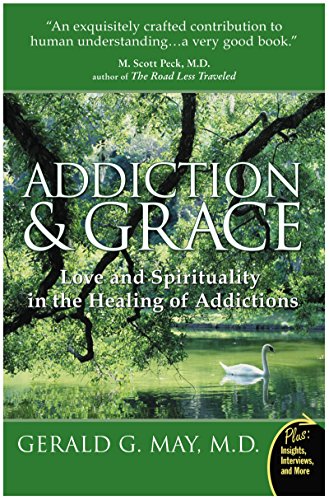
Addiction and Grace by Gerald G. May explores the spiritual journey of recovery from addiction. It offers a compassionate perspective on the nature of addiction and the transformative power of grace in overcoming it.
In Addiction and Grace, Gerald G. May dives into the intricate dynamics of addiction, exploring its psychological, physiological, and spiritual dimensions. He begins by defining addiction as any attachment, compulsive desire, or behavior that controls us, causing harm to ourselves and others. May argues that every human being is prone to addiction, whether it's to substances like alcohol or drugs, or to behaviors like work, sex, or gambling.
May emphasizes that addiction is not just about the substance or behavior itself, but about the attachment to it. He explains that the root of addiction lies in our deep human need for connection and fulfillment. When we fail to meet these needs in healthy ways, we turn to external substances or behaviors, which promise temporary relief but ultimately deepen our sense of disconnection and emptiness.
May introduces the concept of grace as a transformative force that can help us break free from the grip of addiction. He describes grace as a gift of love and acceptance that transcends our efforts and worthiness. According to May, grace is always present, but we often fail to recognize it due to our preoccupation with control and self-sufficiency.
May argues that recovery from addiction involves surrendering our illusion of control and opening ourselves to the grace that's already available. He encourages us to embrace our vulnerability and acknowledge our limitations, rather than trying to fight our addiction through willpower alone. This shift in perspective, he believes, can lead to profound healing and transformation.
In the latter part of Addiction and Grace, May presents a holistic approach to recovery that integrates psychological insights with spiritual practices. He emphasizes the importance of self-awareness, self-acceptance, and self-compassion in the recovery process. May suggests that we need to understand and address the underlying emotional and psychological issues that drive our addictive behaviors.
Furthermore, May advocates for the role of spiritual practices, such as meditation, prayer, and mindfulness, in cultivating a deeper connection with ourselves and the transcendent. He believes that these practices can help us access the grace that's always available, empowering us to face our addictions with courage and resilience.
In conclusion, Addiction and Grace offers a profound perspective on addiction as a universal human struggle and a call for radical self-acceptance and compassion. May reminds us that recovery is not just about overcoming our addictions but about embracing our wholeness and freedom as human beings.
He encourages us to view our addictive behaviors not as signs of personal failure, but as invitations to explore our unmet needs and seek deeper fulfillment. By integrating grace, self-awareness, and spiritual practices, May believes that we can embark on a journey towards authentic healing and transformation, free from the grip of addiction.


Addiction and Grace by Gerald G. May delves into the complex relationship between addiction and spirituality. Through personal stories and insightful analysis, the book explores how the experience of addiction can lead to a deeper understanding of grace and the potential for spiritual transformation. It offers a unique perspective on the challenges and opportunities that arise in the journey towards recovery.
Individuals struggling with addiction who are seeking a deeper understanding of their condition
People who want to explore the spiritual and psychological aspects of addiction and recovery
Those interested in a holistic approach to addressing addictive behaviors, integrating grace and spirituality into the healing process
It's highly addictive to get core insights on personally relevant topics without repetition or triviality. Added to that the apps ability to suggest kindred interests opens up a foundation of knowledge.
Great app. Good selection of book summaries you can read or listen to while commuting. Instead of scrolling through your social media news feed, this is a much better way to spend your spare time in my opinion.
Life changing. The concept of being able to grasp a book's main point in such a short time truly opens multiple opportunities to grow every area of your life at a faster rate.
Great app. Addicting. Perfect for wait times, morning coffee, evening before bed. Extremely well written, thorough, easy to use.
Try Blinkist to get the key ideas from 7,500+ bestselling nonfiction titles and podcasts. Listen or read in just 15 minutes.
Get started for freeBlink 3 of 8 - The 5 AM Club
by Robin Sharma