


Powerful ideas from top nonfiction
Try Blinkist to get the key ideas from 7,500+ bestselling nonfiction titles and podcasts. Listen or read in just 15 minutes.
Get started for free
Blink 3 of 8 - The 5 AM Club
by Robin Sharma
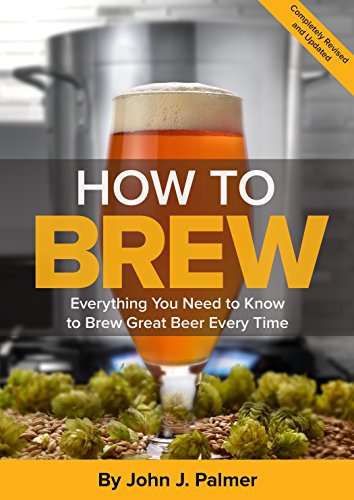
How to Brew by John J. Palmer is a comprehensive guide to homebrewing. It covers everything from the basics of brewing to advanced techniques, making it a valuable resource for both beginner and experienced brewers.
In How to Brew by John J. Palmer, we embark on a comprehensive journey through the art and science of brewing beer. The book begins with an introduction to the basic ingredients of beer - malt, hops, yeast, and water. Palmer explains the role of each ingredient and how they contribute to the flavor, aroma, and appearance of the final product.
Palmer then delves into the brewing process, starting with the mashing stage where malted barley is mixed with hot water to extract fermentable sugars. He explains the different mashing techniques and their effects on the beer's body and mouthfeel. The next step, lautering, involves separating the liquid wort from the spent grains, and Palmer provides detailed instructions on this process.
After the lautering process, the wort is boiled and hops are added to impart bitterness, flavor, and aroma. Palmer discusses the various hop varieties and their characteristics, guiding the reader on how to choose the right hops for their beer. He also covers the importance of a vigorous boil and the use of adjuncts and spices to enhance the beer's complexity.
Once the boiling is complete, the wort is cooled and transferred to a fermenter, where yeast is added to initiate the fermentation process. Palmer provides a detailed explanation of the fermentation process, including the different types of yeast, fermentation vessels, and temperature control. He also discusses the importance of proper sanitation to prevent contamination.
After fermentation, the beer is ready for packaging. Palmer explains the different packaging options, such as bottling and kegging, and provides guidance on carbonation and storage. He also covers advanced topics like aging, blending, and troubleshooting common issues that may arise during the brewing process.
In the later sections of How to Brew, Palmer explores advanced brewing techniques, such as all-grain brewing, which involves mashing from scratch, and the use of specialty ingredients like fruit, spices, and wood. He also discusses recipe formulation, encouraging brewers to experiment with different ingredients and styles to create unique and flavorful beers.
The book concludes with a collection of recipes covering a wide range of beer styles, from classic ales and lagers to more adventurous brews. Each recipe is accompanied by detailed instructions and brewing notes, allowing readers to put their newfound knowledge into practice.
In conclusion, How to Brew by John J. Palmer is an invaluable resource for both beginner and experienced homebrewers. The book provides a thorough understanding of the brewing process, from the basic principles to advanced techniques, and empowers readers to create high-quality, delicious beers in the comfort of their own homes. With its clear explanations, practical advice, and wealth of information, How to Brew is a must-read for anyone passionate about the art of brewing beer.


How to Brew by John J. Palmer is a comprehensive guide to homebrewing beer. It covers everything from the history of beer to the science behind the brewing process, and provides detailed instructions for both beginner and advanced brewers. With its clear explanations and practical tips, this book is a must-read for anyone interested in making their own beer.
How to Brew by John J. Palmer (2006) is a comprehensive guide that every brewing enthusiast should get their hands on. Here's why this book is worth reading:
It's highly addictive to get core insights on personally relevant topics without repetition or triviality. Added to that the apps ability to suggest kindred interests opens up a foundation of knowledge.
Great app. Good selection of book summaries you can read or listen to while commuting. Instead of scrolling through your social media news feed, this is a much better way to spend your spare time in my opinion.
Life changing. The concept of being able to grasp a book's main point in such a short time truly opens multiple opportunities to grow every area of your life at a faster rate.
Great app. Addicting. Perfect for wait times, morning coffee, evening before bed. Extremely well written, thorough, easy to use.
Try Blinkist to get the key ideas from 7,500+ bestselling nonfiction titles and podcasts. Listen or read in just 15 minutes.
Get started for freeBlink 3 of 8 - The 5 AM Club
by Robin Sharma
What is the main message of How to Brew?
Gain knowledge and practical tips to brew your favorite beverages at home with How to Brew.
How long does it take to read How to Brew?
The reading time for How to Brew varies, but it typically takes several hours. The Blinkist summary can be read in 15 minutes.
Is How to Brew a good book? Is it worth reading?
How to Brew is a must-read if you're interested in brewing. It provides valuable insights and practical guidance for beginners and enthusiasts alike.
Who is the author of How to Brew?
The author of How to Brew is John J. Palmer.