Uncover the fascinating story of economic history with this thoughtfully curated book list. From the rise and fall of empires to the birth of modern capitalism, these titles explore the forces and individuals that have shaped our economic systems.
Gain insights into pivotal moments, such as the Industrial Revolution and the Great Depression, and understand the impact they had on societies worldwide. Whether you're a history buff or simply interested in understanding the roots of our economic world, this collection will provide a captivating journey through time.
Os melhores 33 livros sobre Economic History
- Ouça a Introdução01:31
Sobre o que é The Wages of Destruction?
The Wages of Destruction (2006) explores the economic dynamics that underpinned Nazi Germany’s aggressive expansion and ultimate downfall during World War II. Delving into Adolf Hitler’s ideological goals, it challenges traditional narratives to reveal the inherent weaknesses and unsustainable ambitions that led to Germany’s catastrophic failure.
Quem deveria ler The Wages of Destruction?
- History enthusiasts curious about WWII’s economic underpinnings
- Readers interested in military strategy and political decisions
- Academics studying the impacts of economics on warfare outcomes
- 2

Manias, Panics, and Crashes
Robert Z. Aliber, Charles P. Kindleberger, Robert N. McCauley
A History of Financial Crises
4.2 (50 avaliações)
Ouça a Introdução02:13Sobre o que é Manias, Panics, and Crashes?
Manias, Panics, and Crashes (1978; 8th edition 2023) analyzes financial crises spanning three centuries to identify recurring patterns in market booms and busts. It demonstrates how speculation, credit expansion, and euphoria have repeatedly led to panic and collapse across different eras and economic systems. Drawing on historical evidence from the South Sea Bubble to the 2008 financial crisis and beyond, it provides a comprehensive framework for understanding why financial instability is inevitable in credit-based economies.
Quem deveria ler Manias, Panics, and Crashes?
- Finance professionals managing risk and investment decisions
- Regulators and policymakers preventing future financial crises
- Students and researchers studying financial market dynamics
- 3

Too Big to Fail
Andrew Ross Sorkin
The Inside Story of how Wall Street and Washington Fought to Save the Financial System--and Themselves
4.0 (126 avaliações)
Ouça a Introdução01:35Sobre o que é Too Big to Fail?
Too Big to Fail (2009) draws you into the heart of the 2008 financial crisis, revealing the high-stakes decisions and power struggles that shaped the world's economic landscape at that time. This gripping narrative untangles a complex web of financial intrigue, and will help you understand the forces that drove one of the most tumultuous periods in financial history.
Quem deveria ler Too Big to Fail?
- Finance professionals interested in economic crisis insights
- History buffs exploring twenty-first-century financial events
- Business students studying real-world corporate strategy
- 4

Extraordinary Popular Delusions and The Madness of Crowds
Charles Mackay
Teaser: Why People Believe the Unbelievable
4.2 (45 avaliações)
Ouça a Introdução01:33Sobre o que é Extraordinary Popular Delusions and The Madness of Crowds?
Extraordinary Popular Delusions and the Madness of Crowds (1841) looks at how social manias and mass delusions sweep through societies, revealing the underlying patterns that drive everything from financial bubbles to witch hunts. Through vivid historical examples, it shows how normally sensible people can be swept up in collective madness, leading to devastating real-world consequences.
Quem deveria ler Extraordinary Popular Delusions and The Madness of Crowds?
- History buffs curious about how past patterns repeat in modern contexts
- Those concerned with the spread of misinformation
- Anyone interested in protecting themselves from scams or mass delusions
- Ouça a Introdução01:27
Sobre o que é The History of Money?
The History of Money (2024) takes us on a tour through time, from the earliest forms of currency to the introduction of bitcoin. It’s a story of booming trade, powerful empires and devastating financial busts. It explains how money has fueled enormous progress and why it remains a fragile system that struggles to benefit all people equally.
Quem deveria ler The History of Money?
- History buffs interested in fresh perspectives on old stories
- Anyone interested in global economics
- Curious folks who like big-picture tales of how the world works
Sobre o que é A Brief History of Neoliberalism?
A Brief History of Neoliberalism by David Harvey provides a critical analysis of the rise and spread of neoliberalism as an economic and political ideology. The book explores how neoliberal policies have shaped our world, from deregulation and privatization to the widening gap between the rich and the poor. It offers a thought-provoking perspective on the consequences of embracing free market principles.
Quem deveria ler A Brief History of Neoliberalism?
- Individuals interested in understanding the historical context and impact of neoliberalism
- Academics, students, and researchers in economics, political science, and sociology
- Activists and policymakers seeking to challenge and reform neoliberal policies
Sobre o que é Global Capitalism?
Global Capitalism by Jeffry A. Frieden provides a deep analysis of the development and impact of capitalism on a global scale. It delves into the historical, political, and economic factors that have shaped the modern capitalist system, offering valuable insights into its strengths, weaknesses, and potential future challenges. A must-read for anyone interested in understanding the complex forces driving the world economy.
Quem deveria ler Global Capitalism?
- Students and academics studying economics, political science, or international relations
- Business professionals seeking to understand the interconnectedness of global markets
- Readers interested in the historical and ongoing impact of capitalism on societies around the world
Sobre o que é Devil Take the Hindmost?
Devil Take the Hindmost by Edward Chancellor is a comprehensive and engaging account of financial speculation throughout history. From tulip mania in 17th century Holland to the dot-com bubble of the late 20th century, Chancellor explores the psychological and economic factors that drive individuals and societies to take reckless risks in pursuit of wealth. This thought-provoking book challenges conventional wisdom about financial markets and offers valuable insights into the recurring patterns of speculative excess.
Quem deveria ler Devil Take the Hindmost?
- Individuals interested in the history of financial markets and speculation
- Investors looking to understand the psychological factors driving market bubbles and crashes
- Anyone seeking to improve their awareness of the risks and pitfalls of investing
Sobre o que é The Great Crash 1929?
> "The Great Crash 1929" is a compelling analysis by John Kenneth Galbraith that delves into the events leading up to the infamous stock market crash of 1929. Galbraith offers a critical examination of the speculative euphoria and irrational exuberance that characterized the era, shedding light on the underlying causes and systemic failures that precipitated the economic collapse. With a blend of sharp insight and engaging storytelling, this book provides valuable lessons about the perils of unchecked greed and the importance of financial regulation.
Quem deveria ler The Great Crash 1929?
- Anyone interested in learning about the causes and consequences of financial crashes
- Investors and financial professionals looking to gain historical insight into market volatility
- Economists and scholars studying the dynamics of speculative bubbles
Sobre o que é Empire of Wealth?
Empire of Wealth by John Steele Gordon explores the economic history of the United States, tracing its rise from a colonial backwater to a global superpower. Through engaging storytelling and insightful analysis, Gordon reveals how the pursuit of wealth has shaped American society and influenced its place in the world. A fascinating read for anyone interested in the intersection of economics and history.
Quem deveria ler Empire of Wealth?
- People interested in the history of economic development
- Entrepreneurs and business leaders looking for insights into wealth creation
- Readers curious about the impact of capitalism on society
Sobre o que é Before the Industrial Revolution?
Before the Industrial Revolution by Carlo M. Cipolla delves into the economic and social conditions of pre-industrial Europe. Through meticulous research and analysis, the book explores the factors that led to the eventual shift from agrarian economies to industrialized societies. It offers a comprehensive understanding of the world before the transformative changes brought about by the Industrial Revolution.
Quem deveria ler Before the Industrial Revolution?
- Individuals interested in learning about the economic and social conditions before the Industrial Revolution
- History enthusiasts seeking a deeper understanding of pre-industrial Europe
- Students and scholars studying economic history and the transition to industrialization
Sobre o que é Against the Gods?
Against the Gods by Peter L. Bernstein challenges the age-old belief in fate and providence by delving into the history of risk and probability. From ancient civilizations to modern financial markets, Bernstein explores how humanity has sought to understand and control uncertainty. With engaging storytelling and insightful analysis, the book offers a fresh perspective on our relationship with risk and the power of rational thinking.
Quem deveria ler Against the Gods?
- Individuals interested in understanding and managing risk in their personal or professional lives
- Readers who enjoy exploring the history and psychology of financial markets
- Entrepreneurs and business leaders looking to make informed and strategic decisions
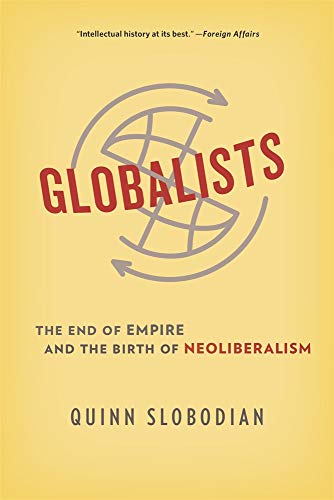
Sobre o que é Globalists?
Globalists by Quinn Slobodian delves into the history and influence of the globalist movement. It explores how a group of economists and intellectuals shaped the world through their vision of a borderless, free-market economy. This thought-provoking book raises important questions about the power dynamics and consequences of globalism.
Quem deveria ler Globalists?
- Individuals seeking to understand the history and impact of neoliberalism on global politics and economics
- Readers interested in the intellectual and ideological foundations of globalization
- Professionals in the fields of economics, international relations, and political science
Sobre o que é Misbehaving?
Misbehaving (2015) by Richard H. Thaler challenges the traditional economic theory by exploring the irrational behaviors of individuals and the impact they have on decision-making. Through engaging anecdotes and insightful analysis, Thaler offers a new perspective on economics and provides practical advice for understanding and influencing human behavior.
Quem deveria ler Misbehaving?
- Individuals who are curious about insights from behavioral economics
- Professionals looking to better understand and anticipate human behavior in business and decision-making
- Readers who enjoy engaging and thought-provoking stories with practical implications
Sobre o que é The Worldly Philosophers?
The Worldly Philosophers by Robert L. Heilbroner is a thought-provoking exploration of the lives and ideas of the great economic thinkers. From Adam Smith to Karl Marx, the book delves into their theories and how they have shaped our understanding of the world. It offers a fascinating look at the history of economics and its impact on society.
Quem deveria ler The Worldly Philosophers?
- Individuals with a curiosity about the history and development of economic ideas
- Students and academics studying economics, political science, or related fields
- Readers seeking a deeper understanding of how economic theories have shaped the modern world
Sobre o que é Discrimination and Disparities?
Discrimination and Disparities by Thomas Sowell challenges common misconceptions about economic and social disparities. Through rigorous analysis and compelling evidence, Sowell explores how factors such as culture, geography, and human capital play a significant role in shaping unequal outcomes. This thought-provoking book offers a fresh perspective on a complex and often misunderstood issue.
Quem deveria ler Discrimination and Disparities?
- Individuals who want to understand the complex factors behind economic and social disparities
- Readers who are open to challenging their preconceived notions and expanding their perspectives
- Professionals in fields such as economics, sociology, and public policy
Sobre o que é The Rise and Fall of American Growth?
The Rise and Fall of American Growth by Robert J. Gordon explores the remarkable period of economic expansion in the United States from 1870 to 1970, and analyzes the factors that drove it. Gordon argues that this era of unprecedented growth was fueled by a unique set of innovations and advancements, and that future economic progress is unlikely to reach the same levels. He delves into the impact of technological change, demographic shifts, and productivity growth, offering valuable insights into the challenges and opportunities facing the American economy.
Quem deveria ler The Rise and Fall of American Growth?
- Readers interested in understanding the historical and future trends of economic growth in the United States
- Individuals seeking insights into the factors that drive innovation and productivity
- Those who want to gain a deeper understanding of the challenges and opportunities facing the American economy
Sobre o que é A Farewell to Alms?
A Farewell to Alms by Gregory Clark challenges traditional ideas about the nature of poverty and economic development. Through a detailed historical and economic analysis, the book argues that the key to understanding the wealth and poverty of nations lies in the unique social and cultural evolution of different societies. It offers fascinating insights into the forces that have shaped our world and the potential paths for global economic progress.
Quem deveria ler A Farewell to Alms?
- Individuals interested in understanding the historical and economic forces that have shaped the modern world
- Readers who enjoy thought-provoking and intellectually stimulating non-fiction books
- Students or professionals in the fields of economics, sociology, or economic history
Sobre o que é The Great Transformation?
The Great Transformation by Karl Polanyi is a groundbreaking book that examines the societal and economic changes brought about by the rise of market economies in the 19th and 20th centuries. Polanyi argues that the commodification of land, labor, and money led to the disintegration of traditional social structures and the degradation of human well-being. He calls for a reevaluation of the role of the economy in society and offers insights into the potential consequences of unregulated markets.
Quem deveria ler The Great Transformation?
- Readers interested in understanding the historical and contemporary challenges of capitalism
- Individuals curious about the social and economic impacts of free market ideology
- Those seeking a critical analysis of the relationship between economy, society, and politics
Sobre o que é Money Changes Everything?
Money Changes Everything by William N. Goetzmann explores the history of finance and its profound impact on human civilization. From ancient times to the modern era, the book delves into how money and financial systems have shaped societies, economies, and even the course of world events. It offers a thought-provoking perspective on the power and influence of money in our lives.
Quem deveria ler Money Changes Everything?
- Anyone looking to understand the history and impact of money and finance
- Individuals curious about the role of money in shaping societies and economies
- Readers interested in the intersection of finance, culture, and human behavior
Sobre o que é The Enlightened Economy?
The Enlightened Economy by Joel Mokyr explores the impact of ideas and knowledge on economic development during the Industrial Revolution. Mokyr argues that the spread of Enlightenment thinking and the rise of scientific knowledge played a crucial role in driving technological innovation and economic growth. This thought-provoking book challenges traditional economic theories and offers a new perspective on the forces that shaped the modern economy.
Quem deveria ler The Enlightened Economy?
- Individuals interested in the history and development of the modern economy
- Entrepreneurs and business leaders looking for insights into innovation and progress
- Students and academics studying economic history or the impact of ideas on economic growth
Sobre o que é The Great Divergence?
The Great Divergence by Kenneth Pomeranz explores the economic and social changes that led to the rise of the West and the divergence between Western Europe and East Asia in the 18th and 19th centuries. Through a careful analysis of historical data and economic theories, Pomeranz challenges the traditional narrative and offers a new perspective on this pivotal period in world history.
Quem deveria ler The Great Divergence?
- Readers interested in understanding the historical roots of global economic inequality
- Individuals seeking insights into the factors that led to the rise of the West and the decline of other civilizations
- Academic researchers and students studying the dynamics of economic development and divergence
Sobre o que é Bad Samaritans?
Bad Samaritans by Ha-Joon Chang challenges the belief that free market policies are the only way for developing countries to succeed. Through a compelling blend of economic history, theory, and real-world examples, Chang argues that the rich and powerful nations often impose harmful policies on the developing world, hindering their economic growth. A thought-provoking book that provides a fresh perspective on global economics.
Quem deveria ler Bad Samaritans?
- Individuals interested in understanding the realities of global trade and economic development
- Readers seeking an alternative perspective to mainstream economic theories
- Those who want to challenge their assumptions about the benefits of free market capitalism
Sobre o que é The Prize?
The Prize by Daniel Yergin is a comprehensive history of the global oil industry. It explores the geopolitical, economic, and social impact of oil from the 19th century to the present day. Yergin delves into the personalities, companies, and nations that shaped this vital resource, offering valuable insights into its influence on world events.
Quem deveria ler The Prize?
- Anyone interested in the history and impact of the oil industry
- Professionals working in the energy sector
- Readers looking for a comprehensive and well-researched exploration of geopolitics and economics related to oil
Sobre o que é Development as Freedom?
Development as Freedom by Amartya Sen explores the relationship between economic development and individual freedom. Sen argues that development should be seen as a process of expanding the capabilities and freedoms of people, rather than simply focusing on economic growth. He discusses how factors such as political freedoms, social opportunities, and economic provisions are essential for human development and well-being.
Quem deveria ler Development as Freedom?
- Those interested in the intersection of economics and social justice
- Educators and students studying development economics or human capabilities
- Policy makers and activists seeking to promote inclusive and sustainable development
Sobre o que é Global Economic History?
Global Economic History by Robert C. Allen provides a comprehensive overview of the economic development of different regions around the world. From the agricultural revolution to the modern global economy, Allen explores the key factors and events that have shaped our economic history. This book offers valuable insights into the challenges and opportunities that have influenced the wealth and poverty of nations.
Quem deveria ler Global Economic History?
- Students or academics specializing in economic history
- Researchers seeking to understand the factors shaping global economic development
- Policy makers and analysts interested in learning from historical economic patterns
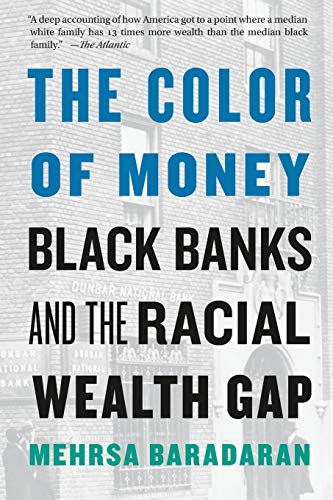
Sobre o que é The Color of Money?
The Color of Money by Mehrsa Baradaran delves into the history of racial inequality in the United States through the lens of banking and financial systems. It explores how government policies and banking practices have perpetuated wealth disparities between white and black Americans, and offers thought-provoking insights into the ongoing challenges of economic justice.
Quem deveria ler The Color of Money?
- Individuals interested in understanding the history and impact of racial wealth disparities
- Entrepreneurs and business owners looking to support and invest in minority-owned businesses
- Policy makers and advocates seeking to address systemic economic inequalities
Sobre o que é Energy and Civilization?
Energy and Civilization by Vaclav Smil explores the critical role of energy in shaping human history. From the use of muscle power in early civilizations to the transition to fossil fuels and renewable energy sources, Smil provides a comprehensive analysis of how energy has influenced the development of societies and economies. This thought-provoking book offers valuable insights into the challenges and opportunities we face in our quest for sustainable energy solutions.
Quem deveria ler Energy and Civilization?
- Diving deep into the history and societal impact of energy
- Understanding the role of energy in shaping human civilization
- Exploring the complex relationship between energy consumption and environmental sustainability
Sobre o que é Nature's Metropolis?
'Nature's Metropolis' by William Cronon takes readers on a journey through the development of Chicago in the 19th century, exploring how the city and its surrounding rural areas were interconnected in shaping the modern American economy. Through detailed research and engaging storytelling, Cronon reveals the complex relationship between nature and urbanization, offering new perspectives on the impact of human activity on the environment.
Quem deveria ler Nature's Metropolis?
- Enthusiastic readers who are curious about the intersection of urban development and the natural world
- Individuals interested in the history of Chicago and its transformation into a major metropolis
- Environmentalists and advocates for sustainable living
Sobre o que é Coffeeland?
Coffeeland by Augustine Sedgewick is a captivating exploration of the global coffee industry. From the rise of coffee as a commodity to its impact on economies and societies, this book delves into the complex history and power dynamics behind one of the world's most beloved beverages. It offers a thought-provoking look at the interconnectedness of our modern world.
Quem deveria ler Coffeeland?
Anyone interested in the history and impact of the global coffee industry
Readers who enjoy narrative non-fiction that explores social and economic issues
People who want to gain a deeper understanding of how trade and exploitation have shaped the world
Sobre o que é Foodopoly?
Foodopoly by Wenonah Hauter delves into the complex and troubling world of food production and distribution. It reveals how a handful of powerful corporations have gained control over our food system, impacting everything from what we eat to the livelihoods of farmers. This eye-opening book offers a critical analysis of the food industry and explores potential solutions to create a more sustainable and equitable food system.
Quem deveria ler Foodopoly?
Individuals who want to understand the impact of corporate control on the food industry
Consumers who are concerned about the quality and safety of the food they eat
Activists and advocates working towards a more sustainable and equitable food system
Sobre o que é Extraordinary Popular Delusions and the Madness of Crowds?
Extraordinary Popular Delusions and the Madness of Crowds by Charles Mackay explores the irrational behavior of humans throughout history. From the Dutch tulip mania to the belief in alchemy, Mackay delves into the collective delusions that have gripped societies and examines the psychological and social factors that contribute to these phenomena.
Quem deveria ler Extraordinary Popular Delusions and the Madness of Crowds?
Readers who are curious about the irrational behavior of crowds and individuals
Those interested in understanding historical financial bubbles and their impact
People who want to develop critical thinking skills and avoid falling for popular delusions
Sobre o que é The Great Crash 1929?
The Great Crash 1929 by John Kenneth Galbraith is a compelling analysis of the stock market crash that led to the Great Depression. Galbraith delves into the economic and social factors that contributed to the crash, offering valuable insights into the nature of speculative bubbles and their catastrophic consequences. Through meticulous research and engaging storytelling, this book sheds light on one of the most significant events in financial history.
Quem deveria ler The Great Crash 1929?
Individuals who want to understand the causes and consequences of financial crashes
Investors looking to learn from historical market downturns and avoid similar pitfalls
Students and professionals in economics, finance, or related fields seeking insights into market dynamics






Tópicos relacionados
Perguntas frequentes sobre Economic History
Qual é o melhor livro sobre Economic History?
Escolher um único livro sobre um tema sempre é difícil, mas muitas pessoas consideram The Wages of Destruction a leitura definitiva sobre Economic History.
Quais são os 10 melhores livros sobre Economic History?
A curadoria da Blinkist selecionou os seguintes:
- The Wages of Destruction de Adam Tooze
- Manias, Panics, and Crashes de Robert Z. Aliber, Charles P. Kindleberger, Robert N. McCauley
- Too Big to Fail de Andrew Ross Sorkin
- Extraordinary Popular Delusions and The Madness of Crowds de Charles Mackay
- The History of Money de David McWilliams
- A Brief History of Neoliberalism de David Harvey
- Global Capitalism de Jeffry A. Frieden
- Devil Take the Hindmost de Edward Chancellor
- The Great Crash 1929 de John Glabraith, John Kenneth Galbraith
- Empire of Wealth de John Steele Gordon
Quem são os principais autores sobre Economic History?
Quando o assunto é Economic History, estes autores se destacam como alguns dos mais influentes:
- Adam Tooze
- Robert Z. Aliber, Charles P. Kindleberger, Robert N. McCauley
- Andrew Ross Sorkin
- Charles Mackay
- David McWilliams