


Powerful ideas from top nonfiction
Try Blinkist to get the key ideas from 7,500+ bestselling nonfiction titles and podcasts. Listen or read in just 15 minutes.
Get started for free
Blink 3 of 8 - The 5 AM Club
by Robin Sharma
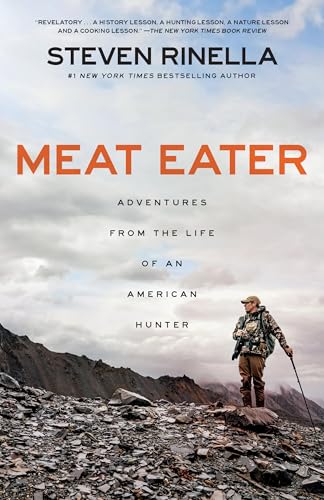
Meat Eater by Steven Rinella is a captivating memoir that takes you on a journey through the author's hunting adventures. It delves into the ethics of hunting and offers a unique perspective on our relationship with food.
In Meat Eater, Steven Rinella takes us on a journey that begins with his childhood in the Midwest, where he fostered a deep connection with nature through hunting and fishing. Rinella's narrative explores the complex relationship between humans and the environment, focusing on his experiences as a hunter and his deep respect for the animals he kills for food.
Rinella's early hunting experiences are not just about the pursuit of game, but also about the profound connection to the land and the animals that inhabit it. He describes the ethical responsibility he feels towards the animals he hunts, emphasizing the importance of utilizing every part of the animal and minimizing waste.
As Rinella grows older, his passion for hunting leads him to explore a variety of hunting techniques and locations. He delves into the history of hunting and its significant role in wildlife conservation. He highlights the critical role hunters have played in the preservation of natural habitats and the conservation of various species, challenging the common perception of hunters as environmental adversaries.
Rinella also addresses the controversial issue of trophy hunting, offering a balanced perspective. He acknowledges the potential benefits of well-regulated trophy hunting in funding conservation efforts and promoting sustainable wildlife management, while also condemning irresponsible and unethical hunting practices.
Throughout Meat Eater, Rinella confronts the ethical dilemmas inherent in hunting. He shares his internal struggle with the act of killing, emphasizing the importance of empathy and respect towards the animals. Rinella argues that hunting, when conducted responsibly, can be a more ethical and sustainable means of acquiring meat compared to the industrialized process of factory farming.
While acknowledging that hunting isn't for everyone, Rinella advocates for a deeper understanding of the food chain and an appreciation for the origins of our food. He encourages readers to engage with their food in a more meaningful way, whether that involves hunting, fishing, or simply being more mindful of the sources of their meat.
As the book progresses, Rinella shares his adventures in some of the most remote and challenging terrains in North America. He recounts his experiences hunting for big game in harsh environments, emphasizing the physical and mental challenges that come with such pursuits. Rinella's storytelling paints a vivid picture of the wild and untamed landscapes he explores, fostering a deep appreciation for the natural world.
In conclusion, Meat Eater is not just a book about hunting; it's a profound exploration of our relationship with nature and the role of hunting in our modern society. Rinella's narrative challenges us to reevaluate our perspectives on hunting, conservation, and our connection to the natural world, leaving readers with a newfound respect for the wild and the food it provides.


Meat Eater by Steven Rinella is a captivating exploration of hunting, fishing, and wild game. Through personal anecdotes and scientific research, Rinella challenges the modern disconnect between humans and the sources of their food. He delves into the history of hunting and the ethical considerations surrounding it, while also sharing delicious recipes and celebrating the beauty of the natural world.
Adventurous individuals who enjoy hunting and outdoor activities
People curious about the ethical and sustainable aspects of consuming meat
Readers interested in learning about the history and cultural significance of hunting
It's highly addictive to get core insights on personally relevant topics without repetition or triviality. Added to that the apps ability to suggest kindred interests opens up a foundation of knowledge.
Great app. Good selection of book summaries you can read or listen to while commuting. Instead of scrolling through your social media news feed, this is a much better way to spend your spare time in my opinion.
Life changing. The concept of being able to grasp a book's main point in such a short time truly opens multiple opportunities to grow every area of your life at a faster rate.
Great app. Addicting. Perfect for wait times, morning coffee, evening before bed. Extremely well written, thorough, easy to use.
Try Blinkist to get the key ideas from 7,500+ bestselling nonfiction titles and podcasts. Listen or read in just 15 minutes.
Get started for freeBlink 3 of 8 - The 5 AM Club
by Robin Sharma