


Powerful ideas from top nonfiction
Try Blinkist to get the key ideas from 7,500+ bestselling nonfiction titles and podcasts. Listen or read in just 15 minutes.
Get started for free
Blink 3 of 8 - The 5 AM Club
by Robin Sharma
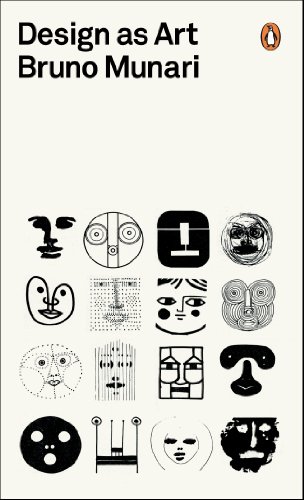
Design as Art by Bruno Munari is a thought-provoking book that explores the idea of design as an integral part of our everyday lives. Munari challenges the traditional boundaries between art and design, urging us to see the beauty and artistic potential in the objects and spaces that surround us.
In Design as Art, Bruno Munari, an Italian artist and designer, explores the concept of design as a form of expression. He argues that design is not merely about functionality but also about aesthetic appeal, stating that a well-designed object is not only useful but also beautiful. He begins by challenging the traditional notion of what constitutes art, suggesting that everything around us, from a chair to a spoon, is a form of art and design.
Munari stresses the importance of creativity and innovation in design. He believes that a designer should approach their work with an open mind, free from preconceived notions and rules. He encourages the use of different materials, forms, and techniques to create unique and original designs. He also emphasizes the role of experimentation in the design process, stating that it is through trial and error that new and groundbreaking designs are born.
One of the central themes of Design as Art is the relationship between form and function. Munari argues that a successful design is one that seamlessly integrates both aspects, where form and function are not in conflict but complement each other. He provides examples of well-designed objects, such as the Eames chair, to illustrate this harmony between form and function.
He also discusses the impact of industrialization on design, noting that mass production has led to a proliferation of poorly designed, mass-produced objects. Munari advocates for a return to craftsmanship and quality in design, suggesting that the designer's role is not only to create visually appealing objects but also to ensure their utility and longevity.
Munari delves into the role of the designer in shaping the world around us. He argues that designers have a responsibility to create objects that are not only aesthetically pleasing but also socially and environmentally responsible. He believes that good design should improve people's lives, be accessible to all, and have a minimal impact on the environment.
He also discusses the importance of communication in design, stating that a well-designed object should effectively convey its purpose and function to the user. He emphasizes the need for clarity and simplicity in design, stating that the best designs are often the most straightforward and easy to understand.
According to Munari, design is a process of problem-solving. He suggests that a designer's primary goal is to identify a need or a problem and then create a solution that is both functional and aesthetically pleasing. He encourages designers to consider the user's experience and needs when creating their designs, stating that good design should enhance the user's life in some way.
In conclusion, Design as Art presents a compelling argument for the importance of design in our lives. Munari challenges the traditional view of design as a purely functional endeavor, instead, advocating for its recognition as a form of art and expression. He encourages designers to approach their work with creativity, innovation, and a deep understanding of the relationship between form and function.


Design as Art by Bruno Munari explores the idea that design is not just about functionality, but also about creativity and expression. Munari delves into various aspects of design, from everyday objects to architecture, and challenges the notion that art and design are separate entities. Through thought-provoking examples and illustrations, he demonstrates how design can elevate the aesthetic and emotional experience of our lives.
Individuals interested in the intersection of art and design
Artists and designers looking to expand their creative thinking
Professionals in the creative industry seeking inspiration and new perspectives
It's highly addictive to get core insights on personally relevant topics without repetition or triviality. Added to that the apps ability to suggest kindred interests opens up a foundation of knowledge.
Great app. Good selection of book summaries you can read or listen to while commuting. Instead of scrolling through your social media news feed, this is a much better way to spend your spare time in my opinion.
Life changing. The concept of being able to grasp a book's main point in such a short time truly opens multiple opportunities to grow every area of your life at a faster rate.
Great app. Addicting. Perfect for wait times, morning coffee, evening before bed. Extremely well written, thorough, easy to use.
Try Blinkist to get the key ideas from 7,500+ bestselling nonfiction titles and podcasts. Listen or read in just 15 minutes.
Get started for freeBlink 3 of 8 - The 5 AM Club
by Robin Sharma