


Powerful ideas from top nonfiction
Try Blinkist to get the key ideas from 7,500+ bestselling nonfiction titles and podcasts. Listen or read in just 15 minutes.
Get started for free
Blink 3 of 8 - The 5 AM Club
by Robin Sharma
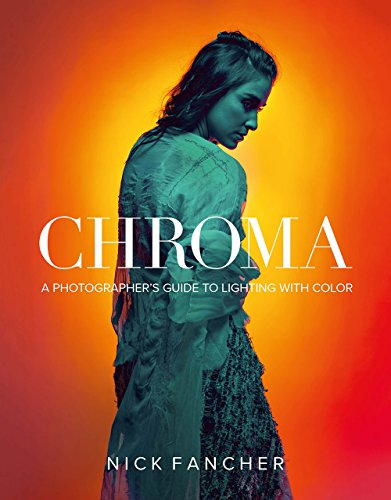
Chroma by Nick Fancher is a comprehensive guide to mastering the art of color in photography. From understanding color theory to practical tips on using gels and post-processing techniques, this book is a valuable resource for photographers looking to elevate their work.
In Chroma: A Photographer’s Guide to Lighting with Color, Nick Fancher embarks on a journey through the vibrant world of colors and their application in photography. He initiates the discussion by highlighting the importance of understanding color theory and its practical implications in photography. Fancher explains how color can be used not just to enhance an image, but also to evoke specific emotions in the viewer.
He then delves into the technical aspects of color manipulation, exploring the use of gels to modify the color of light. Fancher emphasizes the significance of white balance in achieving accurate color representation, and he provides detailed insights into balancing different light sources to create visually appealing images.
Continuing his exploration of color in photography, Fancher discusses the process of layering colors to create unique and striking effects. He elucidates the concept of hard and soft light, and how these different types of light can be used to enhance color rendition and create depth in an image. The author also provides practical tips on using modifiers such as snoots, barn doors, and filters to control and shape light for optimal color results.
Fancher goes on to discuss the use of gobos, which are accessories used to control light and create patterns. He explains how gobos can be used to introduce interesting color patterns and textures into an image, adding a new dimension to the visual narrative. The chapter includes detailed explanations and visual examples to help photographers understand and apply these techniques effectively.
Transitioning to the practical application of color lighting, Fancher explores the process of lighting detail and texture. He demonstrates how to use color to highlight specific features and textures within a subject, adding depth and visual interest to the image. The author also offers insights into post-processing techniques to further enhance the vibrancy and impact of colors in the final image.
Furthermore, Fancher challenges the conventional notion that color lighting is only relevant in color photography. He argues that the careful use of color lighting can significantly impact black and white images, adding mood and character. The chapter includes practical examples and case studies to illustrate these concepts in action.
Concluding the book, Fancher encourages photographers to experiment and push the boundaries of color lighting. He emphasizes the importance of creativity and personal expression in using color as a tool for visual storytelling. The author also provides a glimpse into his own creative process, sharing behind-the-scenes insights and lighting diagrams from some of his notable projects.
In Chroma, Nick Fancher offers a comprehensive guide to using color as a powerful tool in photography. By combining technical knowledge with creative insights, he equips photographers with the skills and confidence to leverage color lighting to its full potential, expanding their creative horizons and delivering visually captivating images.


Chroma by Nick Fancher is a comprehensive guide to using color in photography. Fancher explores the psychology of color, the technical aspects of lighting with color gels, and provides practical tips and techniques for creating stunning and impactful images. Whether you're a beginner or an experienced photographer, this book will inspire you to experiment with color in your own work.
Photography enthusiasts looking to expand their creative lighting techniques
Professional photographers who want to add a unique and colorful touch to their work
Artists who are interested in the psychology and impact of color in visual storytelling
It's highly addictive to get core insights on personally relevant topics without repetition or triviality. Added to that the apps ability to suggest kindred interests opens up a foundation of knowledge.
Great app. Good selection of book summaries you can read or listen to while commuting. Instead of scrolling through your social media news feed, this is a much better way to spend your spare time in my opinion.
Life changing. The concept of being able to grasp a book's main point in such a short time truly opens multiple opportunities to grow every area of your life at a faster rate.
Great app. Addicting. Perfect for wait times, morning coffee, evening before bed. Extremely well written, thorough, easy to use.
Try Blinkist to get the key ideas from 7,500+ bestselling nonfiction titles and podcasts. Listen or read in just 15 minutes.
Get started for freeBlink 3 of 8 - The 5 AM Club
by Robin Sharma