


Powerful ideas from top nonfiction
Try Blinkist to get the key ideas from 7,500+ bestselling nonfiction titles and podcasts. Listen or read in just 15 minutes.
Get started for free
Blink 3 of 8 - The 5 AM Club
by Robin Sharma
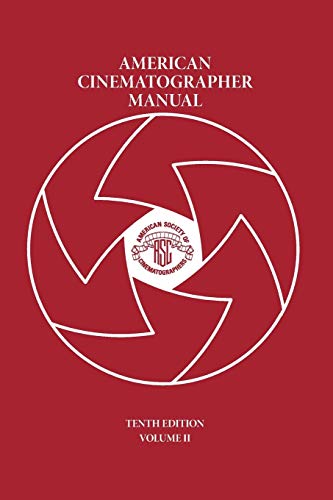
American Cinematographer Manual by Michael Goi is a comprehensive guide for aspiring and professional cinematographers. It covers a wide range of technical and creative aspects of cinematography, providing valuable insights and practical tips.
In American Cinematographer Manual by Michael Goi, we delve into the art and science behind cinematography. Goi, a renowned cinematographer himself, provides a comprehensive guide for both aspiring and seasoned professionals. He begins by discussing the role of the cinematographer, emphasizing the importance of understanding the story and working closely with the director to bring it to life visually.
Goi also explores the technical aspects of cinematography, from the various types of cameras and lenses to lighting and color theory. He emphasizes the significance of lighting in setting the mood and tone of a scene, and explains the different lighting setups and techniques used to achieve specific effects. The manual also delves into the use of color in cinematography, including the psychological impact of different color palettes.
As we move further into the digital age, Goi acknowledges the increasing role of technology in cinematography. He discusses the transition from film to digital, highlighting the advantages and disadvantages of both mediums. He emphasizes the importance of understanding digital workflows, color grading, and the use of visual effects in modern cinematography.
Goi also provides a detailed guide on digital camera systems, explaining the technical specifications and features of popular digital cameras. He discusses various aspects such as resolution, dynamic range, and sensor sizes, and how they impact the final image. He also covers different recording formats, codecs, and the use of external recording devices.
The manual is not just theoretical; it also provides practical advice for cinematographers working in the field. Goi shares his insights on pre-production, discussing the importance of location scouting, storyboarding, and shot listing. He also provides tips on working with actors, blocking scenes, and capturing compelling performances.
During production, Goi emphasizes the significance of communication and collaboration. He discusses the role of the camera crew, gaffers, and grips, and how they work together to achieve the director's vision. He also covers on-set etiquette, safety protocols, and the importance of maintaining a positive working environment.
As the world of cinematography continues to evolve, Goi stresses the importance of continual learning. He encourages cinematographers to stay updated with the latest technologies and techniques, and to experiment and push boundaries in their work. He also emphasizes the significance of networking and building strong relationships within the industry.
In conclusion, American Cinematographer Manual by Michael Goi serves as an invaluable resource for anyone interested in the art and craft of cinematography. It provides a comprehensive understanding of the technical, artistic, and practical aspects of the profession, and inspires cinematographers to continually improve and innovate in their work.


American Cinematographer Manual by Michael Goi is a comprehensive guide for aspiring and professional cinematographers. It covers a wide range of topics including camera operation, lighting techniques, color grading, and digital filmmaking. Filled with practical advice and insights from industry experts, this book is a must-read for anyone looking to master the art and craft of cinematography.
Aspiring filmmakers looking to learn the technical aspects of cinematography
Experienced cinematographers seeking to stay updated with the latest industry standards and practices
Film students and educators who want a comprehensive guide to the art and science of visual storytelling
It's highly addictive to get core insights on personally relevant topics without repetition or triviality. Added to that the apps ability to suggest kindred interests opens up a foundation of knowledge.
Great app. Good selection of book summaries you can read or listen to while commuting. Instead of scrolling through your social media news feed, this is a much better way to spend your spare time in my opinion.
Life changing. The concept of being able to grasp a book's main point in such a short time truly opens multiple opportunities to grow every area of your life at a faster rate.
Great app. Addicting. Perfect for wait times, morning coffee, evening before bed. Extremely well written, thorough, easy to use.
Try Blinkist to get the key ideas from 7,500+ bestselling nonfiction titles and podcasts. Listen or read in just 15 minutes.
Get started for freeBlink 3 of 8 - The 5 AM Club
by Robin Sharma