


Powerful ideas from top nonfiction
Try Blinkist to get the key ideas from 7,500+ bestselling nonfiction titles and podcasts. Listen or read in just 15 minutes.
Get started for free
Blink 3 of 8 - The 5 AM Club
by Robin Sharma
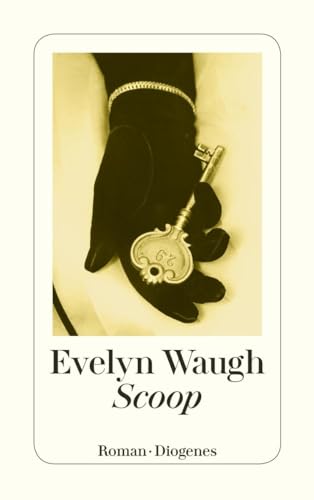
Scoop by Evelyn Waugh is a satirical novel that follows the misadventures of William Boot, a nature columnist who is mistakenly sent to cover a war in a fictional African country. It humorously explores the world of journalism and the nature of truth.
In Scoop, we are introduced to William Boot, a mild-mannered nature columnist for the failing newspaper, The Daily Beast. Boot, who is more at home in his country estate writing about the habits of badgers, is inadvertently chosen to cover a war in the fictional African country of Ishmaelia. The mix-up occurs when his name is confused with a celebrated novelist, John Courtney Boot, who was meant to be sent on this assignment.
Unaware of the misunderstanding, William Boot sets off for Ishmaelia. The journey itself is a hilarious adventure as he encounters various characters, including a fellow passenger who is a secret agent and a crew of eccentric journalists. When he finally arrives in Ishmaelia, Boot is far from the seasoned war correspondent. Instead, he is the picture of an innocent abroad, more interested in the local wildlife than the unfolding political turmoil.
Meanwhile, back in London, the newspaper staff is in a frenzy. Lord Copper, the owner of The Daily Beast, has declared that 'Feet of the Beast', his paper, will be the first to report the war. The journalists, led by the unscrupulous and sensationalist Mr. Salter, are focused on creating a story rather than reporting the truth. They fabricate news, manipulate facts, and even stage photographs to fit the narrative.
While Boot is blissfully unaware of the chaos he has left behind, the journalists in London are determined to make him their puppet. They send him telegrams, each containing conflicting instructions, and Boot, in his naivety, tries his best to comply. He becomes the embodiment of the newspaper's confusion and incompetence, much to the delight of his colleagues.
As the war in Ishmaelia progresses, Boot's peaceful nature and genuine interest in the country and its people start to win him local friends. He is taken under the wing of the British consul, Mr. Corker, who is disillusioned by the interference of the press in the war. Boot's reports, which are more about the local customs and the wildlife than the actual conflict, are a stark contrast to the sensationalized news produced by his colleagues.
When the truth behind the mistaken identity is finally revealed, it causes an uproar in London. However, by this point, Boot has become a beloved figure in Ishmaelia, and his genuine, unbiased reports are recognized for their authenticity. Lord Copper, who never bothers to visit the war zone himself, is forced to accept the reality of the situation. The novel ends with Boot happily returning to his country life, leaving the insanity of journalism behind.
In Scoop, Evelyn Waugh uses biting satire to unmask the absurdities of journalism and the news industry. Through the character of William Boot, he highlights the disconnection between the reality on the ground and the sensationalized stories that make headlines. The journalists, on the other hand, are portrayed as a group of incompetent, self-serving individuals who thrive on chaos and misinformation.
Despite being published in 1938, Scoop remains a relevant and insightful commentary on the world of journalism. It continues to serve as a cautionary tale about the dangers of prioritizing sensationalism over truth and the consequences of media manipulation. Overall, Scoop is a witty, entertaining, and thought-provoking read that leaves a lasting impression on its readers.


Scoop is a satirical novel by Evelyn Waugh that takes a humorous look at the world of journalism. Set in the 1930s, it follows the misadventures of William Boot, a nature columnist who is mistakenly sent to cover a war in a fictional African country. Through witty writing and absurd situations, Waugh explores the power and absurdity of the media.
Journalism enthusiasts who enjoy satirical and humorous storytelling
Readers curious about the inner workings of the media industry
Those who appreciate sharp wit and clever social commentary
It's highly addictive to get core insights on personally relevant topics without repetition or triviality. Added to that the apps ability to suggest kindred interests opens up a foundation of knowledge.
Great app. Good selection of book summaries you can read or listen to while commuting. Instead of scrolling through your social media news feed, this is a much better way to spend your spare time in my opinion.
Life changing. The concept of being able to grasp a book's main point in such a short time truly opens multiple opportunities to grow every area of your life at a faster rate.
Great app. Addicting. Perfect for wait times, morning coffee, evening before bed. Extremely well written, thorough, easy to use.
Try Blinkist to get the key ideas from 7,500+ bestselling nonfiction titles and podcasts. Listen or read in just 15 minutes.
Get started for freeBlink 3 of 8 - The 5 AM Club
by Robin Sharma