


Powerful ideas from top nonfiction
Try Blinkist to get the key ideas from 7,500+ bestselling nonfiction titles and podcasts. Listen or read in just 15 minutes.
Get started for free
Blink 3 of 8 - The 5 AM Club
by Robin Sharma
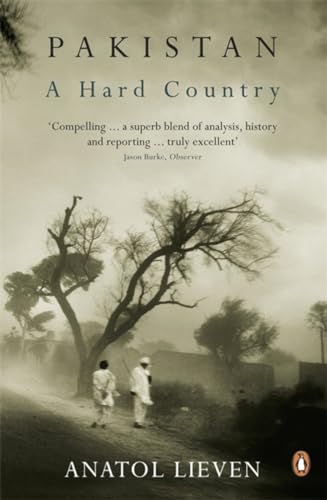
Pakistan: A Hard Country by Anatol Lieven is a comprehensive and insightful exploration of Pakistan's history, society, and politics. It offers a nuanced understanding of the country's complexities and challenges.
In Pakistan: A Hard Country, Anatol Lieven delves into the complex reality of Pakistan, a country he describes as 'hard' due to its resilience in the face of numerous challenges. He begins by exploring the country's history, emphasizing the deep-rooted nature of its social structures, tribal systems, and regional identities, which have often been overlooked by Western observers.
Lieven highlights the significance of kinship, patronage, and the power of local elites in Pakistan's political landscape. These forces, he argues, have contributed to the country's stability, despite the frequent upheavals and crises it has faced since its creation in 1947.
The author then shifts his focus to Pakistan's powerful military, which he sees as a dominant force in the country's politics and society. Lieven explains how the military has been instrumental in shaping Pakistan's foreign policy, particularly in relation to India and Afghanistan, and has also played a significant role in the country's internal security.
He provides a detailed analysis of the military's involvement in politics, its economic interests, and its influence on the country's social and cultural life. According to Lieven, understanding the military is crucial to understanding Pakistan as a whole.
Another critical aspect of Pakistan that Lieven addresses is the rise of Islamist movements within the country. He highlights the complex relationship between the Pakistani state and various Islamist groups, noting that while the state has often supported these groups for strategic reasons, it has also been a target of their violence.
Lieven argues that the Islamist challenge in Pakistan is deeply rooted in the country's history, social structure, and educational system. He emphasizes the need for a nuanced understanding of this phenomenon, cautioning against simplistic narratives that portray Pakistan as a monolithic 'hotbed of terrorism.'
Turning to Pakistan's domestic challenges, Lieven discusses issues such as poverty, inequality, and the lack of effective governance. He also addresses the country's environmental challenges, particularly its water scarcity and the impact of climate change, which he sees as potentially catastrophic for Pakistan's future.
Despite these challenges, Lieven remains cautiously optimistic about Pakistan's future. He argues that the country's resilience, its young and dynamic population, and its potential for economic growth could pave the way for a more stable and prosperous future.
In conclusion, Pakistan: A Hard Country offers a comprehensive and nuanced portrait of a complex nation. Lieven emphasizes the importance of understanding Pakistan's unique social and political dynamics, rather than viewing it through the lens of Western preconceptions or security concerns.
By shedding light on the internal realities of Pakistan, Lieven aims to challenge simplistic narratives and encourage a more informed and empathetic approach to understanding this vital, yet often misunderstood, country.


Pakistan: A Hard Country by Anatol Lieven is a comprehensive and insightful book that delves into the complexities of Pakistan's society, politics, and history. Through extensive research and firsthand accounts, Lieven challenges common misconceptions about the country and offers a nuanced analysis of its challenges and potential. This book is a must-read for anyone seeking a deeper understanding of Pakistan.
Readers interested in understanding the complex social, political, and cultural dynamics of Pakistan
Those seeking insights into the challenges and opportunities facing Pakistan in the 21st century
Individuals looking to broaden their perspective on a country that often makes headlines for its geopolitical significance
It's highly addictive to get core insights on personally relevant topics without repetition or triviality. Added to that the apps ability to suggest kindred interests opens up a foundation of knowledge.
Great app. Good selection of book summaries you can read or listen to while commuting. Instead of scrolling through your social media news feed, this is a much better way to spend your spare time in my opinion.
Life changing. The concept of being able to grasp a book's main point in such a short time truly opens multiple opportunities to grow every area of your life at a faster rate.
Great app. Addicting. Perfect for wait times, morning coffee, evening before bed. Extremely well written, thorough, easy to use.
Try Blinkist to get the key ideas from 7,500+ bestselling nonfiction titles and podcasts. Listen or read in just 15 minutes.
Get started for freeBlink 3 of 8 - The 5 AM Club
by Robin Sharma