


Powerful ideas from top nonfiction
Try Blinkist to get the key ideas from 7,500+ bestselling nonfiction titles and podcasts. Listen or read in just 15 minutes.
Get started for free
Blink 3 of 8 - The 5 AM Club
by Robin Sharma
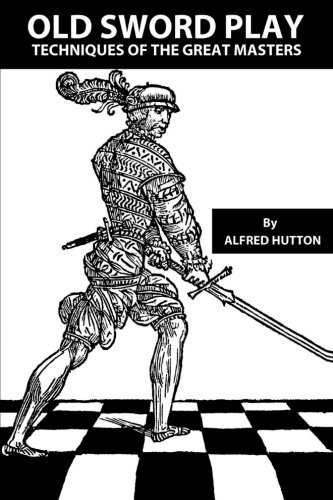
Old Sword Play by Alfred Hutton is a comprehensive guide to historical swordsmanship. It delves into the techniques and tactics of various sword-fighting styles, providing valuable insight into this ancient art.
In Old Sword Play by Alfred Hutton, we are introduced to the historical art of swordplay, with a focus on the sixteenth, seventeenth, and eighteenth centuries. Hutton, a British swordsman and antiquarian, begins by providing an overview of the weapons and fencing styles that were prevalent during this time period. He delves into the use of the two-hand sword, rapier, broadsword, and dagger, highlighting their unique characteristics and the specific techniques associated with each.
He then moves on to discuss the various schools of fencing that existed, particularly focusing on the Italian, Spanish, and French styles. Hutton gives a detailed account of the distinct characteristics of each style, highlighting the differences in stance, footwork, and the application of various techniques. He emphasizes the importance of understanding these distinct styles in order to fully appreciate the evolution of fencing as an art form.
After establishing the historical and geographical context, Hutton delves into the practical aspects of swordplay. He provides detailed instructions and illustrations for various fencing techniques and tactics, giving the reader a comprehensive understanding of how these weapons were used in combat. He emphasizes the importance of precision, speed, and agility, and provides valuable tips on how to develop these skills through regular practice.
Hutton also discusses the use of defensive tools such as cloaks and bucklers, and how they were integrated into the fencing techniques. He highlights the importance of understanding not just the offensive aspects of swordplay, but also the defensive strategies that were employed to counter an opponent's attacks. This holistic approach to fencing is a key aspect of Hutton's teachings.
Throughout Old Sword Play, Hutton emphasizes the artistry and elegance of fencing. He describes the intricate footwork, the precise movements, and the subtle strategies employed by skilled swordsmen. Hutton's admiration for the art form is evident in his detailed descriptions and his meticulous approach to documenting the various techniques and styles.
He also discusses the role of fencing in the context of duels and self-defense, shedding light on the practical applications of these techniques. He emphasizes the importance of discipline, mental focus, and physical fitness in mastering the art of swordplay, highlighting the holistic approach that was required to become a proficient swordsman.
In conclusion, Old Sword Play is not just a practical guide to historical fencing techniques, but also a celebration of a rich and complex art form. Hutton's meticulous documentation and his deep understanding of the historical and cultural context in which these techniques evolved make this book a valuable resource for anyone interested in the history of fencing.
By preserving and sharing these ancient techniques, Hutton ensures that the art of swordplay is not lost to history. His work serves as a bridge between the past and the present, allowing us to appreciate and learn from the rich tradition of historical swordplay.


Old Sword Play by Alfred Hutton delves into the history and techniques of European sword fighting. Through detailed explanations and illustrations, the book explores various styles of swordplay, from the medieval era to the Renaissance. It provides a fascinating insight into a skill that was once essential for self-defense and warfare.
Enthusiasts of historical European martial arts
Students and practitioners of traditional fencing
Readers interested in the history and evolution of swordsmanship
It's highly addictive to get core insights on personally relevant topics without repetition or triviality. Added to that the apps ability to suggest kindred interests opens up a foundation of knowledge.
Great app. Good selection of book summaries you can read or listen to while commuting. Instead of scrolling through your social media news feed, this is a much better way to spend your spare time in my opinion.
Life changing. The concept of being able to grasp a book's main point in such a short time truly opens multiple opportunities to grow every area of your life at a faster rate.
Great app. Addicting. Perfect for wait times, morning coffee, evening before bed. Extremely well written, thorough, easy to use.
Try Blinkist to get the key ideas from 7,500+ bestselling nonfiction titles and podcasts. Listen or read in just 15 minutes.
Get started for freeBlink 3 of 8 - The 5 AM Club
by Robin Sharma