


Powerful ideas from top nonfiction
Try Blinkist to get the key ideas from 7,500+ bestselling nonfiction titles and podcasts. Listen or read in just 15 minutes.
Get started for free
Blink 3 of 8 - The 5 AM Club
by Robin Sharma
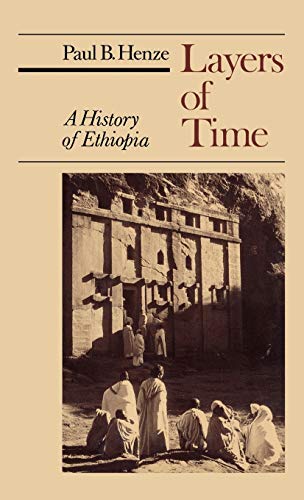
Layers of Time takes readers on a captivating journey through Ethiopia's rich history, from ancient civilizations to modern times. It delves into the country's diverse cultural heritage and the enduring resilience of its people.
In Layers of Time, we embark on a journey through Ethiopia's rich history, delving deep into the layers of its past. Our exploration begins in the prehistoric era, where we learn about the earliest human ancestors who roamed the region. We then move on to the ancient kingdoms of Aksum and D'mt, known for their advanced civilizations and early adoption of Christianity.
The book then takes us through the medieval period, focusing on the rise of the Zagwe dynasty and the construction of the iconic rock-hewn churches of Lalibela. We also explore the Solomonic dynasty, which claimed descent from the biblical King Solomon and the Queen of Sheba, and their establishment of Gondar as the capital city.
As we progress through Layers of Time, we encounter the challenges Ethiopia faced from external forces. The country's strategic location meant it was constantly under threat from neighboring Islamic powers. We learn about Ethiopia's long-standing conflict with the Adal Sultanate and the pivotal Battle of Adwa where the Ethiopians secured a historic victory against the Italian invasion, becoming the only African nation to successfully resist European colonization.
Furthermore, we explore the internal struggles within Ethiopia. We delve into the power struggles among the regional lords, the influence of the Ethiopian Orthodox Church, and the impact of the Oromo migrations. These factors shaped the country's political landscape and contributed to its complex societal structure.
Throughout our journey, Layers of Time offers us a glimpse into the vibrant cultural tapestry of Ethiopia. We learn about the unique religious practices, such as the Ethiopian Orthodox Church's distinctive blend of Christianity and indigenous beliefs, and the enduring significance of the Ark of the Covenant in Ethiopian religious life.
We also explore the country's rich artistic traditions, including its distinctive music, dance, and literature. Additionally, the book sheds light on the diverse ethnic groups that call Ethiopia home, each with its own language, customs, and traditions, contributing to the country's cultural diversity.
As we approach the end of our historical exploration, Layers of Time brings us to modern Ethiopia. We witness the country's struggle for political stability and economic development. The book discusses the challenges faced by Ethiopia, such as ethnic tensions, poverty, and political unrest, while also highlighting the efforts made towards progress and modernization.
In conclusion, Layers of Time provides us with a comprehensive understanding of Ethiopia's past, examining the various layers that have shaped the country's identity. It celebrates Ethiopia's resilience, diversity, and rich cultural heritage, offering a nuanced perspective on this ancient and fascinating nation.


Layers of Time by NA NA delves into the rich history of Ethiopia, uncovering its ancient roots and the layers of influence that have shaped the country over centuries. From its early civilizations to its encounters with foreign powers, this book offers a comprehensive exploration of Ethiopia's past and its enduring significance.
History enthusiasts who want to learn about Ethiopia's rich and diverse past
Travelers planning a trip to Ethiopia and seeking a deeper understanding of its cultural heritage
Students and academics studying African history and the complexities of nation-building
It's highly addictive to get core insights on personally relevant topics without repetition or triviality. Added to that the apps ability to suggest kindred interests opens up a foundation of knowledge.
Great app. Good selection of book summaries you can read or listen to while commuting. Instead of scrolling through your social media news feed, this is a much better way to spend your spare time in my opinion.
Life changing. The concept of being able to grasp a book's main point in such a short time truly opens multiple opportunities to grow every area of your life at a faster rate.
Great app. Addicting. Perfect for wait times, morning coffee, evening before bed. Extremely well written, thorough, easy to use.
Try Blinkist to get the key ideas from 7,500+ bestselling nonfiction titles and podcasts. Listen or read in just 15 minutes.
Get started for freeBlink 3 of 8 - The 5 AM Club
by Robin Sharma