


Powerful ideas from top nonfiction
Try Blinkist to get the key ideas from 7,500+ bestselling nonfiction titles and podcasts. Listen or read in just 15 minutes.
Get started for free
Blink 3 of 8 - The 5 AM Club
by Robin Sharma
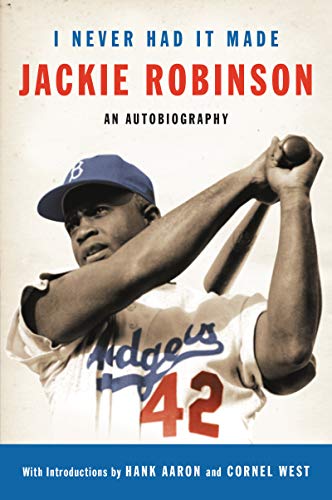
I Never Had It Made is the powerful autobiography of Jackie Robinson, the first African American to play in Major League Baseball. He shares his journey of breaking the color barrier and fighting for racial equality.
In I Never Had It Made, Jackie Robinson recounts his journey from a childhood in poverty to becoming the first African American to play in Major League Baseball. He describes the racial discrimination he faced early in life, which fueled his determination to succeed. Robinson's athletic prowess allowed him to attend UCLA, where he became the first athlete to letter in four sports.
After serving in the US Army during World War II, Robinson faced racism again when he played in the Negro Leagues. Despite these challenges, his exceptional performance on the field caught the attention of the Brooklyn Dodgers' president, Branch Rickey, who signed him in 1945. The following year, Robinson made history by breaking the color barrier in Major League Baseball.
Robinson's early years in the Major Leagues were marked by intense racism. He faced verbal abuse, physical threats, and discrimination from fans, fellow players, and even some of his own teammates. Despite this, Robinson remained calm and focused, adhering to Rickey's advice to "turn the other cheek" and not retaliate, which he believed was crucial for the success of their experiment in integration.
Even as he endured these hardships, Robinson continued to excel on the baseball field. In his first season, he was named the National League's Rookie of the Year, and in 1949, he won the league's Most Valuable Player award. He also played in six World Series and helped the Dodgers win the championship in 1955, solidifying his place as one of the game's greatest players.
Beyond baseball, Robinson was a vocal advocate for civil rights. He used his platform to speak out against racial segregation and discrimination, and he worked with the NAACP to address these issues. Robinson also became the first African American vice president of a major American corporation when he joined Chock full o'Nuts, a coffee company, in 1957.
Robinson's efforts to advance the cause of civil rights continued after his retirement from baseball in 1956. He participated in numerous rallies, marches, and political campaigns, and he met with several US presidents to discuss racial equality. Despite his fame and success, Robinson remained committed to fighting for justice and equality for African Americans.
In I Never Had It Made, Robinson reflects on the personal toll of his pioneering role in baseball and the civil rights movement. He discusses the strain it placed on his family and the toll it took on his health. Robinson also addresses the criticism he faced from some African American groups who felt he was too accommodating to the white establishment.
Despite these challenges, Robinson's legacy as a trailblazer and a symbol of courage endures. He died in 1972 at the age of 53, but his impact on the game of baseball and the fight for racial equality lives on. His autobiography serves as a testament to his remarkable life and his unwavering commitment to breaking down barriers and fighting for justice.


I Never Had It Made is a powerful memoir by Jackie Robinson, the first African American to play in Major League Baseball. In this book, Robinson shares his inspiring journey from facing racial discrimination and poverty to breaking the color barrier in professional baseball. He reflects on the challenges he encountered, the impact of his historic achievement, and his unwavering commitment to civil rights.
Baseball fans who want to learn about the life and challenges of a legendary player
Readers interested in civil rights and the history of racial integration in sports
Those who enjoy personal memoirs and stories of overcoming adversity
It's highly addictive to get core insights on personally relevant topics without repetition or triviality. Added to that the apps ability to suggest kindred interests opens up a foundation of knowledge.
Great app. Good selection of book summaries you can read or listen to while commuting. Instead of scrolling through your social media news feed, this is a much better way to spend your spare time in my opinion.
Life changing. The concept of being able to grasp a book's main point in such a short time truly opens multiple opportunities to grow every area of your life at a faster rate.
Great app. Addicting. Perfect for wait times, morning coffee, evening before bed. Extremely well written, thorough, easy to use.
Try Blinkist to get the key ideas from 7,500+ bestselling nonfiction titles and podcasts. Listen or read in just 15 minutes.
Get started for freeBlink 3 of 8 - The 5 AM Club
by Robin Sharma