


Powerful ideas from top nonfiction
Try Blinkist to get the key ideas from 7,500+ bestselling nonfiction titles and podcasts. Listen or read in just 15 minutes.
Get started for free
Blink 3 of 8 - The 5 AM Club
by Robin Sharma
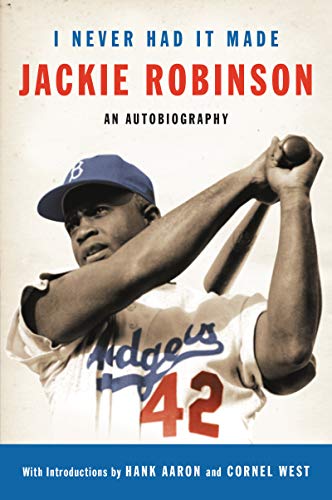
I Never Had It Made is Jackie Robinson's powerful autobiography, detailing his journey as the first African American to play in Major League Baseball. It offers a firsthand account of his struggles against racism and his unwavering commitment to breaking barriers.
In I Never Had It Made, written by Jackie Robinson with Alfred Duckett, we are taken on a compelling journey through the life of the first African American to play Major League Baseball. The book begins with Robinson's childhood in Cairo, Georgia, and his family's move to Pasadena, California. Despite facing racial discrimination, Robinson excels in various sports, eventually attending UCLA where he becomes the first athlete to letter in four sports.
Robinson's life takes a dramatic turn when he is drafted into the army during World War II. Despite his officer's commission and college education, he faces racism and is court-martialed for refusing to move to the back of a segregated bus. This sets the stage for his future role as a civil rights advocate.
The core of I Never Had It Made revolves around Robinson's historic signing with the Brooklyn Dodgers, breaking the color barrier in Major League Baseball. His entry into the league in 1947 is met with hostility from both fans and players. Robinson's unyielding determination, combined with his exceptional talent, eventually wins over many of his skeptics, and he becomes a symbol of hope for African Americans across the country.
Robinson's experiences with racial prejudice are vividly depicted throughout the book. He endures insults, threats, and physical violence, all while maintaining his composure and focusing on his game. Despite the immense pressure, he wins the inaugural Rookie of the Year award and goes on to have a stellar career, leading the Dodgers to six National League pennants and one World Series title.
After retiring from baseball in 1956, Robinson continues to champion civil rights. He becomes the first African American vice president of a major American corporation, Chock full o'Nuts, and is actively involved in the NAACP. He also writes a popular column for the New York Post, addressing issues of racial inequality and social justice.
Robinson's post-baseball life is not without personal challenges. He faces financial difficulties, battles diabetes, and tragically loses his son in a car accident. Despite these hardships, Robinson remains committed to his principles and remains an influential figure in the fight for civil rights.
In the final chapters of I Never Had It Made, Robinson reflects on his legacy. He expresses his disappointment with the slow pace of racial progress in America and his frustration with the lack of opportunities for African Americans. However, he remains hopeful, believing that the fight for equality will eventually be won.
Robinson's autobiography concludes with a poignant message. He writes that while he may have achieved personal success, he never truly "had it made" as long as racial discrimination persists. His story serves as a reminder of the struggles faced by African Americans in the past and the ongoing battle for equality.


I Never Had It Made is a powerful autobiography by Jackie Robinson, co-written with Alfred Duckett. In this book, Robinson shares his remarkable journey as the first African American to play in Major League Baseball. From facing intense racism and adversity to breaking down barriers and becoming a symbol of hope, Robinson's story is one of courage, determination, and the fight for equality.
Readers who are interested in the history of racial segregation and integration in sports
Baseball fans who want to learn about the challenges and triumphs of one of the sport's most iconic figures
Those who appreciate personal memoirs and firsthand accounts of overcoming adversity
It's highly addictive to get core insights on personally relevant topics without repetition or triviality. Added to that the apps ability to suggest kindred interests opens up a foundation of knowledge.
Great app. Good selection of book summaries you can read or listen to while commuting. Instead of scrolling through your social media news feed, this is a much better way to spend your spare time in my opinion.
Life changing. The concept of being able to grasp a book's main point in such a short time truly opens multiple opportunities to grow every area of your life at a faster rate.
Great app. Addicting. Perfect for wait times, morning coffee, evening before bed. Extremely well written, thorough, easy to use.
Try Blinkist to get the key ideas from 7,500+ bestselling nonfiction titles and podcasts. Listen or read in just 15 minutes.
Get started for freeBlink 3 of 8 - The 5 AM Club
by Robin Sharma