


Powerful ideas from top nonfiction
Try Blinkist to get the key ideas from 7,500+ bestselling nonfiction titles and podcasts. Listen or read in just 15 minutes.
Get started for free
Blink 3 of 8 - The 5 AM Club
by Robin Sharma
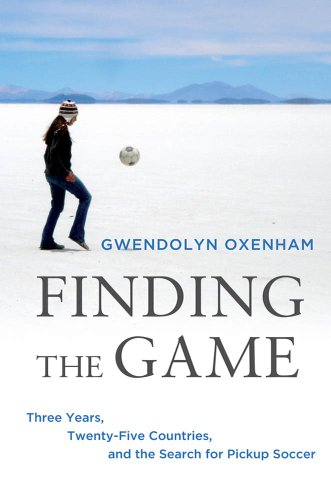
Finding the Game by Gwendolyn Oxenham is a captivating exploration of the global passion for soccer. Through personal stories and insightful interviews, the author delves into the universal language of the beautiful game.
In Finding the Game, Gwendolyn Oxenham offers a captivating journey across the globe to explore the unifying power of soccer. As a former Division I soccer player, Oxenham embarks on this journey with her boyfriend, Ryan, and two friends, Luke and Will, in search of the essence of the game beyond the professional leagues and big stadiums.
Their adventure begins in Brazil, where they experience the vibrant street soccer culture. They are introduced to the concept of pelada, informal pick-up games played in the streets and parks, which serve as a melting pot of different social classes and ethnicities. The group immerses themselves in these games, forming connections with local players and learning about their lives through the universal language of soccer.
From Brazil, the group travels to countries such as Iran, Kenya, and Spain, each offering a unique soccer culture. In Iran, they witness the resilience of female soccer players who are forced to play the game in secluded locations due to societal restrictions. In Kenya, they play with local teams and learn about the challenges faced by aspiring African players.
Spain provides a stark contrast with its highly organized academy system. Oxenham and her friends train with young talents in La Masia, FC Barcelona's famed youth academy, and gain insight into the intense pressure and competition faced by young players in their pursuit of professional careers.
Throughout their journey, Oxenham and her companions encounter various obstacles and cultural differences but find solace and connection in the game of soccer. Despite the diverse backgrounds and experiences of the players they meet, they discover a common love and respect for the sport, unearthing the essence of the beautiful game.
As they continue their travels, the group begins to question their own relationships with soccer. Oxenham reflects on her own soccer career and the challenges that come with pursuing the sport professionally. She also grapples with the question of what soccer means to her beyond the confines of competition and performance.
In the end, Finding the Game is not just a travelogue about soccer but a profound exploration of human connections and the pursuit of passion. Through their encounters with players from different walks of life, the group learns valuable lessons about resilience, community, and the joy of playing the game for the love of it.
As they conclude their journey, Oxenham and her friends reaffirm their love for soccer, not as a means to achieve professional success, but as a source of joy, connection, and understanding. In doing so, they find that the true essence of the game lies not in the polished stadiums or televised matches, but in the raw and unfiltered experiences shared on makeshift pitches and dusty streets across the world.


Finding the Game by Gwendolyn Oxenham is a captivating exploration of the universal language of soccer. Through her own experiences and those of players around the world, Oxenham delves into the power of the beautiful game to transcend cultural and societal barriers. From pickup games in Brazil to professional leagues in Europe, this book offers a unique perspective on the global phenomenon that is soccer.
Football enthusiasts who want to explore the global cultural impact of the sport
Travelers looking for unique and off-the-beaten-path experiences
Readers interested in personal narratives and the intersection of sports and identity
It's highly addictive to get core insights on personally relevant topics without repetition or triviality. Added to that the apps ability to suggest kindred interests opens up a foundation of knowledge.
Great app. Good selection of book summaries you can read or listen to while commuting. Instead of scrolling through your social media news feed, this is a much better way to spend your spare time in my opinion.
Life changing. The concept of being able to grasp a book's main point in such a short time truly opens multiple opportunities to grow every area of your life at a faster rate.
Great app. Addicting. Perfect for wait times, morning coffee, evening before bed. Extremely well written, thorough, easy to use.
Try Blinkist to get the key ideas from 7,500+ bestselling nonfiction titles and podcasts. Listen or read in just 15 minutes.
Get started for freeBlink 3 of 8 - The 5 AM Club
by Robin Sharma