


Powerful ideas from top nonfiction
Try Blinkist to get the key ideas from 7,500+ bestselling nonfiction titles and podcasts. Listen or read in just 15 minutes.
Get started for free
Blink 3 of 8 - The 5 AM Club
by Robin Sharma
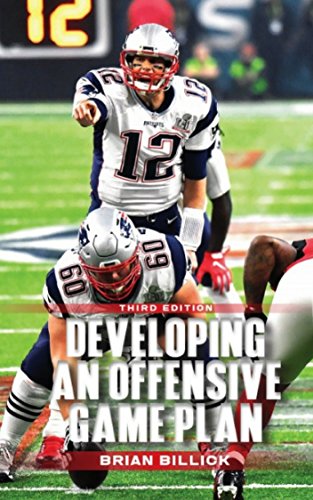
Developing an Offensive Game Plan by Brian Billick provides valuable insights and strategies for coaches and players looking to create an effective game plan. It covers everything from analyzing opponents to designing specific plays.
In Developing an Offensive Game Plan by Brian Billick, we begin by understanding the fundamental principles of offensive football. Billick, a former NFL head coach, emphasizes the importance of strategy, preparation, and execution in developing a successful game plan.
Billick elaborates on the significance of understanding the strengths and weaknesses of your team, the opposing team, and the game situation. He emphasizes the need for adaptability and the ability to adjust the game plan based on the circumstances.
Next, Billick delves into the process of analyzing the opposition. He stresses the importance of studying the opponent's defensive schemes, personnel, tendencies, and formations. He also highlights the significance of understanding the opponent's situational tendencies, such as their approach to third-down situations or red-zone defense.
According to Billick, a thorough analysis of the opposition is crucial in developing a game plan that exploits their weaknesses and capitalizes on their tendencies. He provides insights into how coaches can use this information to create a strategic advantage for their team.
With a clear understanding of the team's strengths, weaknesses, and the opponent's tendencies, Billick moves on to the process of building the offensive game plan. He outlines the steps involved in this process, starting with the selection of the core plays that best suit the team's strengths and the opponent's weaknesses.
Billick emphasizes the need for balance in the game plan, with a mix of running and passing plays. He also discusses the importance of scripting the initial offensive plays to set the tone of the game and gain early momentum.
Once the game plan is developed, Billick shifts focus to the execution phase. He stresses the significance of practice and preparation, emphasizing that a well-executed game plan is the result of meticulous practice and attention to detail.
Billick discusses the role of the coaching staff in ensuring that the players understand and are comfortable with the game plan. He also highlights the importance of in-game adjustments, as the initial game plan may need to be modified based on the unfolding circumstances.
In conclusion, Developing an Offensive Game Plan by Brian Billick provides a comprehensive guide to creating and executing a successful offensive game plan in football. He emphasizes the need for thorough analysis, strategic planning, and effective execution, and the ability to adapt to changing circumstances.
Billick also discusses the importance of evaluating the success and failure of the game plan after the game. This evaluation process, according to him, is crucial for learning and improving, ensuring that the team continues to develop and refine its offensive strategies for future games.


Developing an Offensive Game Plan by Brian Billick offers a comprehensive guide for football coaches and players on creating a winning offensive strategy. Drawing from his experience as a Super Bowl-winning coach, Billick provides insights and practical advice on analyzing opponents, designing plays, and maximizing the strengths of your team. This book is a must-read for anyone looking to elevate their offensive game.
Aspiring football coaches looking to improve their offensive strategies
Players aiming to understand the intricacies of offensive game planning
Fans who want to gain a deeper insight into the strategic side of the game
It's highly addictive to get core insights on personally relevant topics without repetition or triviality. Added to that the apps ability to suggest kindred interests opens up a foundation of knowledge.
Great app. Good selection of book summaries you can read or listen to while commuting. Instead of scrolling through your social media news feed, this is a much better way to spend your spare time in my opinion.
Life changing. The concept of being able to grasp a book's main point in such a short time truly opens multiple opportunities to grow every area of your life at a faster rate.
Great app. Addicting. Perfect for wait times, morning coffee, evening before bed. Extremely well written, thorough, easy to use.
Try Blinkist to get the key ideas from 7,500+ bestselling nonfiction titles and podcasts. Listen or read in just 15 minutes.
Get started for freeBlink 3 of 8 - The 5 AM Club
by Robin Sharma