The best 12 Survey books

A New History of Western Philosophy
What's A New History of Western Philosophy about?
A New History of Western Philosophy by Anthony Kenny offers a comprehensive and accessible overview of the evolution of philosophical thought in the Western world. From the ancient Greeks to contemporary thinkers, Kenny delves into the key ideas and debates that have shaped our understanding of reality, knowledge, and existence. Whether you're a seasoned philosopher or a newcomer to the subject, this book provides a thought-provoking journey through centuries of intellectual exploration.
Who should read A New History of Western Philosophy?
Philosophy enthusiasts looking for a comprehensive overview of Western philosophical thought
Students and academics studying philosophy or related fields
Readers interested in the evolution of ideas and how they have shaped the world
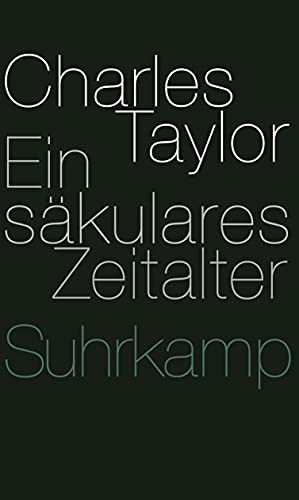
A Secular Age
What's A Secular Age about?
A Secular Age by Charles Taylor explores the rise of secularism in Western society and its impact on religion, spirituality, and individual beliefs. Taylor delves into the historical, cultural, and philosophical factors that have shaped our understanding of the secular and religious realms, challenging the notion that modernity necessarily leads to the decline of faith.
Who should read A Secular Age?
Individuals seeking to understand the historical and cultural context of secularism
Readers interested in the intersection of religion, spirituality, and modernity
Those curious about the impact of secularization on personal identity and social dynamics

Culture and Imperialism
What's Culture and Imperialism about?
Culture and Imperialism by Edward W. Said delves into the relationship between culture and imperialism, examining how literature and other forms of cultural expression have been used to justify and perpetuate imperialist agendas. Said offers a thought-provoking analysis of various works, from classic novels to travel literature, and explores how they reflect and shape the power dynamics of colonialism and its lasting effects on both the colonizer and the colonized.
Who should read Culture and Imperialism?
Readers interested in understanding the impact of imperialism on culture
Students and academics studying postcolonial theory and cultural studies
Individuals seeking a critical examination of classic literary works in relation to imperialism

First Peoples
What's First Peoples about?
First Peoples is a comprehensive and engaging exploration of the history and experiences of Native American tribes in North America. Through meticulous research and compelling storytelling, Colin G. Calloway delves into the rich and complex tapestry of indigenous cultures, traditions, and interactions with European settlers. This book offers a vital perspective on the often overlooked contributions and resilience of the first peoples of the continent.
Who should read First Peoples?
Students and scholars of Native American history
Individuals interested in learning about the diverse cultures and experiences of Indigenous peoples
Readers seeking a comprehensive and engaging exploration of Native American history from pre-contact to the present day

Introducing Nietzsche
What's Introducing Nietzsche about?
Introducing Nietzsche provides a comprehensive overview of Friedrich Nietzsche's life and philosophy. It delves into his critiques of religion, morality, and the concept of the 'superman', as well as his ideas on eternal recurrence and the will to power. The book also examines Nietzsche's influence on modern thought and his relevance in today's world.
Who should read Introducing Nietzsche?
Philosophy enthusiasts seeking a comprehensive overview of Nietzsche's ideas
Individuals curious about the impact of Nietzsche's philosophy on modern thought
Readers interested in exploring the complexities of existentialism and nihilism

Ominous Parallels
What's Ominous Parallels about?
The Ominous Parallels by Leonard Peikoff explores the philosophical and cultural roots of Nazism and draws parallels between the intellectual climate in 20th century Germany and that of the United States. Through a deep analysis of history, philosophy, and psychology, Peikoff warns against the dangers of irrational ideas and the potential consequences for society.
Who should read Ominous Parallels?
Individuals who are interested in understanding the philosophical roots of historical atrocities
Readers who want to gain insights into the dangers of collectivist ideologies
Those who seek to challenge their own beliefs and explore alternative perspectives

Philosophy 101
What's Philosophy 101 about?
Philosophy 101 by Paul Kleinman provides an accessible introduction to the world of philosophy. It covers key concepts and ideas from ancient to modern times, making it an ideal starting point for those interested in exploring the subject. Kleinman presents complex theories in a clear and engaging manner, making this book a valuable resource for anyone looking to delve into the realm of philosophical thought.
Who should read Philosophy 101?
Students or individuals looking for an accessible introduction to philosophy
Readers interested in exploring timeless questions about existence, morality, and knowledge
People who enjoy thought-provoking discussions and want to expand their intellectual horizons

Philosophy Between the Lines
What's Philosophy Between the Lines about?
Philosophy Between the Lines by Arthur M. Melzer delves into the world of hidden messages and concealed meanings in philosophical texts. It explores the concept of esoteric writing, where philosophers communicate their true thoughts and ideas "between the lines" to evade censorship or persecution. Melzer challenges readers to look beyond the surface of philosophical works and uncover the deeper layers of meaning.
Who should read Philosophy Between the Lines?
Individuals interested in uncovering hidden meanings and deeper insights within philosophical texts
Readers who enjoy decoding complex ideas and unraveling layers of meaning
Philosophy enthusiasts seeking a fresh perspective on the works of influential thinkers

The Consequences of Ideas
What's The Consequences of Ideas about?
The Consequences of Ideas by R. C. Sproul explores the profound impact of philosophical ideas on the course of human history. Through engaging and accessible prose, Sproul delves into the origins and implications of various philosophical concepts, demonstrating how they have shaped our world and continue to influence our beliefs and actions today. This thought-provoking book offers valuable insights into the power of ideas and the importance of critical thinking.
Who should read The Consequences of Ideas?
Individuals seeking to understand the impact of philosophical ideas on society
Readers interested in exploring the history of Western thought
Those who want to critically evaluate and engage with different worldviews

The Philosophy of Schopenhauer
What's The Philosophy of Schopenhauer about?
The Philosophy of Schopenhauer by Bryan Magee provides a comprehensive analysis of the ideas and influence of the 19th-century German philosopher Arthur Schopenhauer. Through clear and engaging prose, Magee delves into Schopenhauer's thoughts on the nature of reality, the will, and the concept of the 'thing-in-itself'. This book offers a deep exploration of Schopenhauer's philosophy and its relevance in the modern world.
Who should read The Philosophy of Schopenhauer?
Individuals interested in exploring the works of the German philosopher Arthur Schopenhauer
Readers who want to gain insights into the nature of existence, suffering, and human will
Philosophy enthusiasts seeking a clear and accessible introduction to Schopenhauer's ideas

The Return of the Primitive
What's The Return of the Primitive about?
The Return of the Primitive is a collection of essays by Ayn Rand that critiques the rise of anti-industrial and anti-intellectual movements in the 20th century. Rand argues that these movements, such as environmentalism and the hippie counterculture, reject reason and individualism in favor of mysticism and collectivism. She warns against the dangerous consequences of abandoning rational thought and reverting to primitive beliefs and values.
Who should read The Return of the Primitive?
Individuals seeking to understand the cultural and philosophical trends of the late 20th century
Readers interested in Ayn Rand's critique of collectivist and anti-industrial movements
Those who want to explore the importance of reason, individualism, and capitalism in modern society
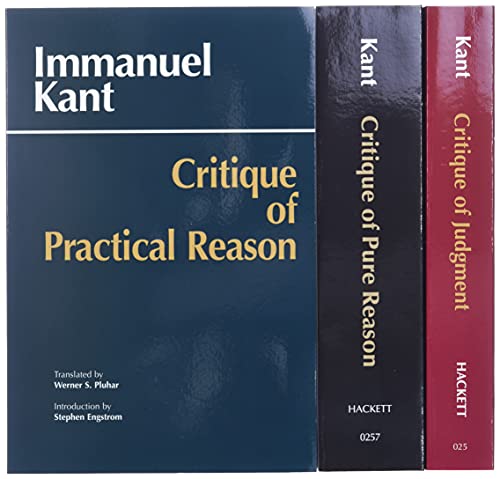
Three Critiques
What's Three Critiques about?
Three Critiques is a seminal work by Immanuel Kant that delves into the realms of metaphysics, epistemology, and ethics. Through his critiques of pure reason, practical reason, and judgment, Kant challenges traditional philosophical thought and lays the groundwork for his categorical imperative. This thought-provoking book continues to influence and shape philosophical discourse.
Who should read Three Critiques?
Philosophy enthusiasts seeking a deep understanding of Kant's critical philosophy
Students and scholars of metaphysics, epistemology, and ethics
Readers interested in exploring the nature of human knowledge and reason
Related Topics
Survey Books
FAQs
What's the best Survey book to read?
What are the Top 10 Survey books?
- A New History of Western Philosophy by Anthony Kenny
- A Secular Age by Charles Taylor
- Culture and Imperialism by Edward W. Said
- First Peoples by Colin G. Calloway
- Introducing Nietzsche by Laurence Gane
- Ominous Parallels by Leonard Peikoff
- Philosophy 101 by Paul Kleinman
- Philosophy Between the Lines by Arthur M. Melzer
- The Consequences of Ideas by R. C. Sproul
- The Philosophy of Schopenhauer by Bryan Magee
Who are the top Survey book authors?
- Anthony Kenny
- Charles Taylor
- Edward W. Said
- Colin G. Calloway
- Laurence Gane