The best 13 Nuclear Physics books

Strange Glow
What's Strange Glow about?
Strange Glow: The Story of Radiation Is a sweeping account of the rise of nuclear science, tackling some of the biggest myths and realities surrounding radiation. Debunking some safety myths while carefully documenting real risks, it is also an urgent call for society to confront their fears and in doing so, make better choices in everything from medical procedures to nuclear power.
Who should read Strange Glow?
- Those looking for a deeper understanding of the universe
- Anyone nervous about the radiation surrounding them
- Anyone wanting to make more informed decisions about medical treatment or health

Full Body Burden
What's Full Body Burden about?
Full Body Burden is a gripping memoir by Kristen Iversen that delves into the author's upbringing in a small Colorado town overshadowed by the Rocky Flats nuclear weapons plant. Through personal anecdotes and extensive research, Iversen uncovers the dangerous secrets and environmental hazards associated with the facility, while also exploring the broader issues of government accountability and the power of speaking out.
Who should read Full Body Burden?
Readers interested in the intersection of personal memoir and environmental activism
Those who want to understand the impact of nuclear weapons production on local communities
Individuals who appreciate investigative journalism and uncovering hidden truths

Hidden In Plain Sight 8
What's Hidden In Plain Sight 8 about?
Hidden In Plain Sight 8 by Dr. Andrew H. Thomas explores the often overlooked aspects of our daily lives and reveals the hidden mechanisms that shape our world. From the technology in our smartphones to the infrastructure of our cities, this thought-provoking book uncovers the intricate systems that operate right in front of us.
Who should read Hidden In Plain Sight 8?
Readers with a keen interest in history, specifically World War II and the Manhattan Project
Individuals who enjoy exploring controversial and thought-provoking topics
Those who want to gain a deeper understanding of the science and technology behind nuclear weapons

Hot Molecules, Cold Electrons
What's Hot Molecules, Cold Electrons about?
Hot Molecules, Cold Electrons by Paul J. Nahin delves into the fascinating world of thermodynamics and the behavior of heat at the molecular level. With engaging storytelling and clear explanations, Nahin explores the concepts of temperature, energy, and entropy, and their connection to the behavior of electrons. This thought-provoking book will appeal to anyone curious about the fundamental principles that govern our physical world.
Who should read Hot Molecules, Cold Electrons?
Readers with a curiosity about the intersection of mathematics and real-world applications
Those interested in the history and impact of scientific discoveries on technology
Individuals who enjoy accessible explanations of complex concepts

Introductory Nuclear Physics
What's Introductory Nuclear Physics about?
Introductory Nuclear Physics by Kenneth S. Krane provides a comprehensive introduction to the field, covering topics such as nuclear structure, radioactive decay, nuclear reactions, and nuclear energy production. It is suitable for students and anyone interested in gaining a foundational understanding of nuclear physics.
Who should read Introductory Nuclear Physics?
Undergraduate and graduate students studying nuclear physics
Scientists and researchers working in the field of nuclear physics
Individuals interested in gaining a foundational understanding of nuclear processes and their applications

Nuclear Physics in a Nutshell
What's Nuclear Physics in a Nutshell about?
Nuclear Physics in a Nutshell provides a comprehensive introduction to the field of nuclear physics. Written by Carlos A. Bertulani, this book covers the fundamental concepts and theories behind nuclear structure, nuclear reactions, and nuclear astrophysics in a clear and concise manner. It is a valuable resource for students and researchers looking to expand their knowledge in this fascinating area of physics.
Who should read Nuclear Physics in a Nutshell?
Undergraduate and graduate students studying nuclear physics
Physics enthusiasts looking to deepen their understanding of nuclear phenomena
Professionals in the field of nuclear energy and nuclear technology
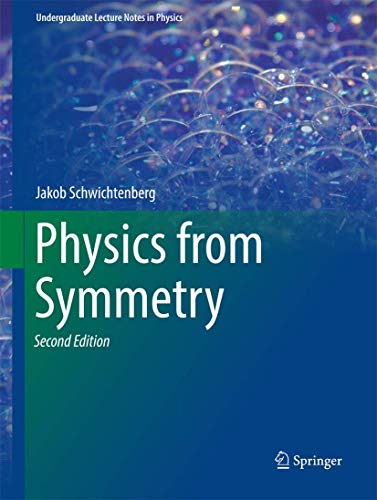
Physics from Symmetry
What's Physics from Symmetry about?
Physics from Symmetry by Jakob Schwichtenberg is a thought-provoking book that delves into the fundamental principles of physics through the lens of symmetry. It explores how the concept of symmetry has shaped our understanding of the universe, from classical mechanics to quantum field theory. With clear explanations and insightful discussions, the book offers a unique perspective on the underlying unity and beauty of the laws of nature.
Who should read Physics from Symmetry?
Physics enthusiasts who want to deepen their understanding of the subject
Students or professionals in physics-related fields seeking a fresh perspective
Readers with a strong foundation in mathematics and a curiosity for the underlying principles of the universe

Techniques for Nuclear and Particle Physics Experiments
What's Techniques for Nuclear and Particle Physics Experiments about?
Techniques for Nuclear and Particle Physics Experiments provides a comprehensive guide to the methods and equipment used in these fields. Written by William R. Leo, the book covers topics such as particle detection, data analysis, and experimental techniques. It is a valuable resource for students and researchers in nuclear and particle physics.
Who should read Techniques for Nuclear and Particle Physics Experiments?
Students and researchers in the field of nuclear and particle physics
Scientists looking to expand their knowledge of experimental techniques
Professionals working in nuclear facilities or particle accelerators

The Atom
What's The Atom about?
The Atom by Jack Challoner is an insightful exploration of the tiny building blocks that make up everything in the universe. From the ancient Greeks to modern-day particle accelerators, Challoner takes us on a journey through the history and science of the atom. With clear explanations and engaging storytelling, this book uncovers the incredible complexity and importance of these minuscule entities.
Who should read The Atom?
Curious individuals who want to understand the fundamental building blocks of the universe
Science enthusiasts looking for an accessible and engaging introduction to atomic theory
Students or educators seeking a comprehensive yet understandable resource on the topic of atoms

The God Particle
What's The God Particle about?
The God Particle by Leon Lederman takes readers on a journey into the world of particle physics, exploring the quest to uncover the elusive Higgs boson. Through engaging storytelling and clear explanations, Lederman delves into the fundamental building blocks of the universe and the groundbreaking experiments that have advanced our understanding of the cosmos. A captivating blend of science and history, this book offers a fascinating glimpse into the mysteries of the universe.
Who should read The God Particle?
Readers who are curious about the fundamental building blocks of the universe
Science enthusiasts looking to deepen their understanding of particle physics
Those interested in the history and future of scientific discovery

The Incidental Spy
What's The Incidental Spy about?
The Incidental Spy by Libby Fischer Hellmann is a gripping historical thriller set during World War II. The story follows Lena, a young German immigrant in Chicago who becomes inadvertently entangled in espionage. As she navigates the dangers and moral dilemmas of wartime, Lena must decide where her loyalties truly lie. Filled with suspense and rich historical detail, this novel will keep you on the edge of your seat until the very end.
Who should read The Incidental Spy?
Readers who enjoy historical fiction with a focus on espionage and World War II
Those interested in the lesser-known stories of individuals who played a role in significant historical events
People who appreciate strong and complex female protagonists
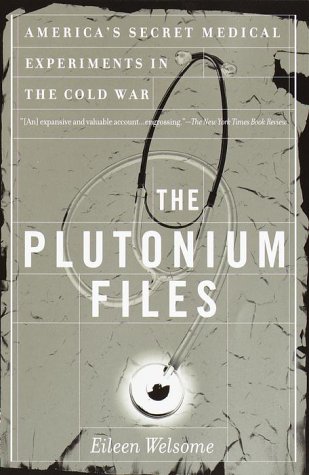
The Plutonium Files
What's The Plutonium Files about?
The Plutonium Files by Eileen Welsome delves into the secret human radiation experiments conducted by the U.S. government during the Cold War. Through meticulous research and compelling storytelling, Welsome uncovers the shocking truth behind these unethical and dangerous tests, shedding light on a dark chapter in history.
Who should read The Plutonium Files?
Individuals interested in the history of unethical human experimentation
Readers who want to learn about the dark side of the Manhattan Project
Those who appreciate investigative journalism and in-depth research

The Radioactive Boy Scout
What's The Radioactive Boy Scout about?
The Radioactive Boy Scout by Ken Silverstein tells the true story of a teenage boy named David Hahn who becomes obsessed with amateur science experiments, particularly those involving radioactive materials. As he delves deeper into his dangerous hobby, Hahn unwittingly puts himself and those around him at risk, ultimately leading to a nationwide investigation. This gripping book explores the fine line between scientific curiosity and recklessness.
Who should read The Radioactive Boy Scout?
Readers with a curiosity about amateur science experiments gone wrong
Those interested in the potential dangers of nuclear materials in the hands of individuals
People who enjoy true stories that explore the intersection of science and human behavior
Related Topics
Nuclear Physics Books
FAQs
What's the best Nuclear Physics book to read?
What are the Top 10 Nuclear Physics books?
- Strange Glow by Timothy J. Jorgensen
- Full Body Burden by Kristen Iversen
- Hidden In Plain Sight 8 by Dr Andrew H Thomas
- Hot Molecules, Cold Electrons by Paul J. Nahin
- Introductory Nuclear Physics by Kenneth S. Krane
- Nuclear Physics in a Nutshell by Carlos A. Bertulani
- Physics from Symmetry by Jakob Schwichtenberg
- Techniques for Nuclear and Particle Physics Experiments by William R. Leo
- The Atom by Jack Challoner
- The God Particle by Leon Lederman
Who are the top Nuclear Physics book authors?
- Timothy J. Jorgensen
- Kristen Iversen
- Dr Andrew H Thomas
- Paul J. Nahin
- Kenneth S. Krane