


Powerful ideas from top nonfiction
Try Blinkist to get the key ideas from 7,500+ bestselling nonfiction titles and podcasts. Listen or read in just 15 minutes.
Get started for free
Blink 3 of 8 - The 5 AM Club
by Robin Sharma
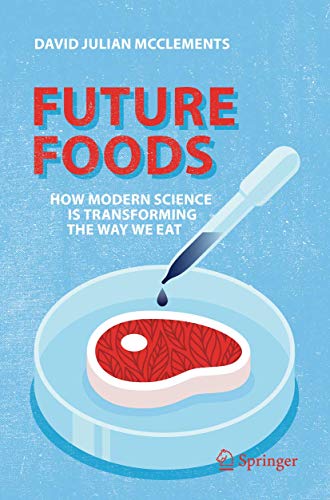
Future Foods by David Julian McClements explores the cutting-edge science and technology behind the creation of healthier, more sustainable, and tastier foods. It delves into topics such as personalized nutrition, plant-based meat alternatives, and the future of food production.
In Future Foods, David Julian McClements, a renowned food scientist, delves into the current state of food science and explores the potential future of our food supply. He begins by discussing the complexities of our modern food system, highlighting the drawbacks of processed foods and the potential health and environmental ramifications of our current food choices.
McClements then introduces us to the concept of food architecture, explaining how the physical structure of foods influences their taste, texture, and nutritional value. He details how understanding and manipulating food architecture can lead to the creation of healthier, tastier, and more sustainable food products.
The author further explores cutting-edge technologies that are transforming food production. He discusses the potential of 3D food printing, which could allow for highly customizable, nutrient-dense foods. Additionally, he delves into the use of nanotechnology in food, explaining how it can be used to create healthier fats, improve food packaging, and enhance food safety.
McClements also addresses gene editing in the context of food production. He explains how techniques such as CRISPR can be used to modify the genetic makeup of plants and animals, potentially leading to crops that are more resistant to pests and diseases or animals with improved meat quality.
In the middle part of the book, the focus shifts to functional foods and personalized nutrition. McClements introduces us to the concept of nutraceuticals, which are bioactive compounds found in foods that have potential health benefits. He discusses the development of functional foods fortified with nutraceuticals, such as probiotics and omega-3 fatty acids, to improve our health and well-being.
McClements also delves into the emerging field of personalized nutrition, exploring how our unique genetic makeup, microbiome, and metabolism can influence our nutritional needs. He discusses the potential of precision nutrition to tailor diets to individual requirements, potentially improving health outcomes.
As the book progresses, McClements addresses the urgent issue of sustainability in our food supply. He discusses the environmental impact of our current food system, highlighting the need for more sustainable practices. He explores the potential of alternative protein sources, such as insects and lab-grown meat, in addressing the environmental challenges posed by traditional animal agriculture.
McClements also discusses food waste and its environmental consequences, detailing potential solutions such as improved food packaging and preservation technologies. He emphasizes the importance of reducing food waste to create a more sustainable food system.
While McClements presents a compelling vision of the future of food, he does not shy away from the challenges and ethical considerations associated with these advancements. He addresses concerns about the safety of novel food technologies, potential impacts on human health, and the need for robust regulatory frameworks to ensure the responsible development and deployment of these technologies.
In conclusion, Future Foods offers a comprehensive exploration of the potential future of our food supply, driven by scientific and technological advancements. McClements presents a vision of a future where food is not only delicious and nutritious but also sustainable and tailored to individual needs. However, he reminds us that realizing this vision will require careful consideration of the potential risks and ethical implications associated with these transformative technologies.


Future Foods by David Julian McClements explores the cutting-edge science and technology behind the foods of tomorrow. From personalized nutrition to 3D-printed meals, this book delves into the innovative ways in which food production and consumption are evolving to meet the challenges of a growing global population and a changing climate. McClements provides a fascinating glimpse into the future of food and the potential impact on our health and the planet.
Individuals interested in the future of food and food technology
Professionals in the food industry seeking to stay ahead of trends and innovations
Health-conscious consumers looking to understand the impact of food on their well-being
It's highly addictive to get core insights on personally relevant topics without repetition or triviality. Added to that the apps ability to suggest kindred interests opens up a foundation of knowledge.
Great app. Good selection of book summaries you can read or listen to while commuting. Instead of scrolling through your social media news feed, this is a much better way to spend your spare time in my opinion.
Life changing. The concept of being able to grasp a book's main point in such a short time truly opens multiple opportunities to grow every area of your life at a faster rate.
Great app. Addicting. Perfect for wait times, morning coffee, evening before bed. Extremely well written, thorough, easy to use.
Try Blinkist to get the key ideas from 7,500+ bestselling nonfiction titles and podcasts. Listen or read in just 15 minutes.
Get started for freeBlink 3 of 8 - The 5 AM Club
by Robin Sharma