


Powerful ideas from top nonfiction
Try Blinkist to get the key ideas from 7,500+ bestselling nonfiction titles and podcasts. Listen or read in just 15 minutes.
Get started for free
Blink 3 of 8 - The 5 AM Club
by Robin Sharma
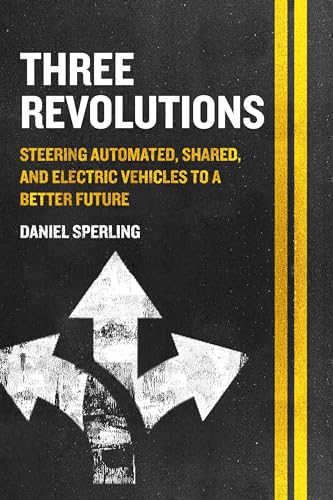
Three Revolutions by Daniel Sperling explores the future of transportation, focusing on the convergence of automated vehicles, electrification, and shared mobility. It offers a vision for a more sustainable and accessible transportation system.
In Three Revolutions by Daniel Sperling, we are introduced to three major revolutions that are reshaping the transportation sector. The first revolution is vehicle electrification, the second is shared mobility, and the third is vehicle automation. The author explains that these transformations are interconnected and have the potential to significantly impact the environment, energy consumption, and urban development.
Sperling delves into the first revolution, vehicle electrification, discussing the rapid advancements in electric vehicle (EV) technology and the potential environmental benefits. He also highlights the challenges associated with EV adoption, such as battery costs and charging infrastructure. The author then moves on to the second revolution, shared mobility, discussing the rise of car-sharing services, ride-hailing apps, and the potential of these services to reduce the overall number of vehicles on the road.
Continuing with the second revolution, Sperling explores the potential benefits and drawbacks of shared mobility. He discusses how shared mobility can lead to reduced congestion, parking demand, and emissions, but also raises concerns about increased vehicle miles traveled and the potential for these services to worsen urban sprawl. The author emphasizes the need for effective policies to maximize the positive impacts of shared mobility while minimizing the negative ones.
Next, Sperling moves on to the third revolution, vehicle automation. He explains the different levels of automation, from advanced driver-assistance systems to fully autonomous vehicles, and the potential impacts on safety, energy consumption, and urban design. The author also discusses the challenges and uncertainties associated with the widespread adoption of autonomous vehicles, including regulatory issues, cybersecurity concerns, and public acceptance.
As we progress through Three Revolutions, Sperling emphasizes the importance of considering the implications of these revolutions collectively, rather than in isolation. He argues that the convergence of vehicle electrification, shared mobility, and vehicle automation presents both opportunities and challenges, and that policymakers need to adopt a holistic approach to guide these transformations towards more sustainable, equitable, and efficient transportation systems.
The book concludes with a series of policy recommendations aimed at steering the three revolutions towards positive outcomes. Sperling suggests strategies such as promoting electric and shared mobility, encouraging public transportation, and implementing policies to manage the potential negative impacts of automation. He also emphasizes the need for public engagement and adaptive governance to navigate the uncertainties associated with these rapid transformations.
In conclusion, Three Revolutions offers a comprehensive exploration of the interconnected transformations reshaping the transportation sector. Sperling provides a balanced assessment of the potential benefits and challenges associated with vehicle electrification, shared mobility, and vehicle automation, and emphasizes the critical role of policy in shaping their outcomes. The book serves as a call to action for policymakers, industry leaders, and citizens to work together in guiding these revolutions towards a more sustainable and equitable future of transportation.


Three Revolutions by Daniel Sperling explores the future of transportation through three major revolutions: vehicle electrification, shared mobility, and autonomous vehicles. It delves into the potential benefits and challenges of these revolutions and offers insights into how they could reshape our cities and the way we travel. Sperling also discusses the policy changes and societal shifts that will be necessary to navigate these transformative changes.
Individuals interested in the future of transportation and its impact on society
Policy makers and urban planners seeking insights into sustainable and equitable mobility solutions
Professionals in the automotive, technology, and energy industries looking to understand the challenges and opportunities of the transportation revolution
It's highly addictive to get core insights on personally relevant topics without repetition or triviality. Added to that the apps ability to suggest kindred interests opens up a foundation of knowledge.
Great app. Good selection of book summaries you can read or listen to while commuting. Instead of scrolling through your social media news feed, this is a much better way to spend your spare time in my opinion.
Life changing. The concept of being able to grasp a book's main point in such a short time truly opens multiple opportunities to grow every area of your life at a faster rate.
Great app. Addicting. Perfect for wait times, morning coffee, evening before bed. Extremely well written, thorough, easy to use.
Try Blinkist to get the key ideas from 7,500+ bestselling nonfiction titles and podcasts. Listen or read in just 15 minutes.
Get started for freeBlink 3 of 8 - The 5 AM Club
by Robin Sharma