


Powerful ideas from top nonfiction
Try Blinkist to get the key ideas from 7,500+ bestselling nonfiction titles and podcasts. Listen or read in just 15 minutes.
Get started for free
Blink 3 of 8 - The 5 AM Club
by Robin Sharma
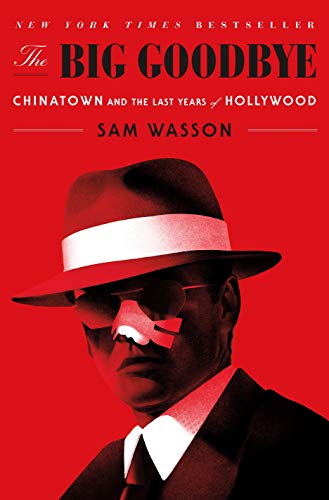
The Big Goodbye by Sam Wasson is a captivating account of the making of the iconic film Chinatown. It delves into the behind-the-scenes drama, the creative genius of the filmmakers, and the lasting impact of this classic noir thriller.
In The Big Goodbye by Sam Wasson, we are taken on a journey through the making of the classic film Chinatown. Wasson begins by setting the stage in 1970s Hollywood, a time of transition and turmoil. The old studio system was crumbling, and a new wave of filmmakers, including Roman Polanski, was challenging the status quo.
Wasson then delves into the genesis of Chinatown, starting with the script by Robert Towne. Towne's screenplay was a complex, noir-inspired tale set in 1930s Los Angeles, and it was a departure from the more straightforward detective stories of the time. Wasson highlights Towne's meticulous research and his dedication to capturing the essence of the era.
As Wasson continues, he introduces us to the key players in the making of Chinatown. We meet Jack Nicholson, who was cast as the film's protagonist, private investigator J.J. "Jake" Gittes. Nicholson's portrayal of Gittes would become one of his most iconic roles, and Wasson provides insight into the actor's approach to the character.
We also learn about the casting of Faye Dunaway as Evelyn Mulwray, the enigmatic and tragic figure at the heart of the film. Wasson explores the challenges Dunaway faced in bringing Evelyn to life and the tensions that arose between her and Polanski during filming.
Throughout The Big Goodbye, Wasson doesn't shy away from the darker aspects of the film's production. He delves into the personal tragedies that haunted Polanski, including the brutal murder of his wife, Sharon Tate, by the Manson Family. These events deeply influenced Polanski's direction of Chinatown, infusing the film with a sense of impending doom and moral ambiguity.
Wasson also explores the tumultuous relationship between Polanski and producer Robert Evans. Their clashes over creative control and budget issues threatened to derail the film, but ultimately, their collaboration resulted in a cinematic masterpiece.
As The Big Goodbye nears its conclusion, Wasson reflects on the impact of Chinatown. Despite its bleak and uncompromising narrative, the film was a critical and commercial success, earning eleven Academy Award nominations. Its haunting conclusion and the famous line "Forget it, Jake. It's Chinatown" have become indelible parts of cinematic history.
Wasson also examines the film's enduring legacy, its influence on subsequent neo-noir movies, and its place in the pantheon of great American films. He argues that Chinatown remains relevant because of its exploration of power, corruption, and the elusive nature of truth.
In conclusion, The Big Goodbye is a captivating exploration of the making of Chinatown. Wasson skillfully weaves together the personal stories of the film's creators with the broader cultural and historical context of 1970s Hollywood. The result is a rich and immersive narrative that sheds new light on one of cinema's most enduring classics.


The Big Goodbye by Sam Wasson delves into the making of the iconic film Chinatown and its profound impact on Hollywood. Through extensive research and interviews, Wasson uncovers the behind-the-scenes drama, intricate creative process, and the larger cultural and historical context that shaped this timeless classic. A fascinating and enlightening read for film enthusiasts and anyone interested in the power of storytelling.
The Big Goodbye (2020) takes a deep dive into the making of the classic film, Chinatown, and the mysteries that surround its production. Here's why this book is a worthwhile read:
It's highly addictive to get core insights on personally relevant topics without repetition or triviality. Added to that the apps ability to suggest kindred interests opens up a foundation of knowledge.
Great app. Good selection of book summaries you can read or listen to while commuting. Instead of scrolling through your social media news feed, this is a much better way to spend your spare time in my opinion.
Life changing. The concept of being able to grasp a book's main point in such a short time truly opens multiple opportunities to grow every area of your life at a faster rate.
Great app. Addicting. Perfect for wait times, morning coffee, evening before bed. Extremely well written, thorough, easy to use.
Try Blinkist to get the key ideas from 7,500+ bestselling nonfiction titles and podcasts. Listen or read in just 15 minutes.
Get started for freeBlink 3 of 8 - The 5 AM Club
by Robin Sharma
What is the main message of The Big Goodbye?
The main message of The Big Goodbye is an inside account of the making of the movie Chinatown and its lasting impact on Hollywood.
How long does it take to read The Big Goodbye?
The reading time for The Big Goodbye varies depending on the reader's speed. However, the Blinkist summary can be read in just 15 minutes.
Is The Big Goodbye a good book? Is it worth reading?
The Big Goodbye is worth reading for film lovers and those interested in behind-the-scenes stories. It offers fascinating insights into the making of a classic movie.
Who is the author of The Big Goodbye?
The author of The Big Goodbye is Sam Wasson.