


Powerful ideas from top nonfiction
Try Blinkist to get the key ideas from 7,500+ bestselling nonfiction titles and podcasts. Listen or read in just 15 minutes.
Get started for free
Blink 3 of 8 - The 5 AM Club
by Robin Sharma
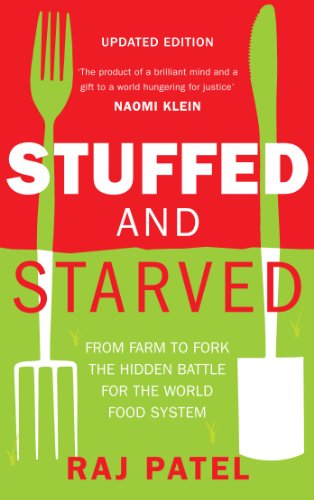
Stuffed and Starved by Raj Patel is a thought-provoking book that delves into the global food industry, exposing the inequalities and injustices that lead to both overconsumption and hunger.
In Stuffed and Starved by Raj Patel, we embark on a journey to unravel the paradox of a world where millions of people are starving while an equal number are overfed. Patel begins by highlighting the global food system's skewed nature, where a handful of corporations control the vast majority of what we eat, resulting in a system that prioritizes profit over the well-being of people and the planet.
The book takes us through the history of the food industry, from the Green Revolution of the 1960s, which promised to end world hunger through increased agricultural productivity but instead led to the decline of small-scale farmers and the rise of corporate agriculture, to the present-day dominance of mega food corporations like Monsanto and Cargill.
Patel delves into the detrimental impact of this corporate control on both ends of the food supply chain. Small-scale farmers, who produce the majority of the world's food, are often left impoverished and vulnerable due to unfair trade policies, lack of access to resources, and the relentless pursuit of profit by agribusinesses. At the same time, consumers, particularly in the developed world, are bombarded with unhealthy food options, leading to an epidemic of obesity and diet-related diseases.
This stark contrast between the overfed and the undernourished is the crux of the global food paradox, and Patel argues that it's not due to a lack of food, but rather a lack of access and equitable distribution. He highlights that the issue of hunger isn't just about producing more food, but rather about addressing the systemic inequalities in the food system.
Patel takes us on a global tour to explore the impact of the corporate food system on different countries and regions. We visit Mexico, where the North American Free Trade Agreement (NAFTA) devastated small-scale corn farmers and led to a flood of cheap, subsidized American corn, destroying local agricultural economies. We then travel to India, where the introduction of genetically modified cotton seeds led to a wave of farmer suicides due to crippling debt and failed crops.
Our journey continues to the United States, where the dominance of fast food and processed food industries has led to a public health crisis. We also explore the impact of food speculation, where financial institutions gamble on food prices, leading to increased volatility and hunger in the Global South.
Despite the grim picture painted by the global food system, Patel offers hope for a more equitable and sustainable future. He highlights the rise of social movements and organizations advocating for food justice, such as La Vía Campesina, a global movement representing small-scale farmers, and the Slow Food movement, which promotes local, traditional, and sustainable food systems.
Patel also emphasizes the importance of reconnecting with our food and understanding its origins. He advocates for a shift towards agroecological farming methods, which prioritize biodiversity and sustainability, and for policies that support small-scale farmers and local food systems. He argues that by reclaiming control over our food, we can address the global food paradox and create a more just and nourishing world.
In conclusion, Stuffed and Starved is a powerful critique of the current global food system, shedding light on the inequalities and injustices inherent within it. Patel's exploration of the paradox of hunger and obesity forces us to confront the realities of a world where food is abundant, yet millions go hungry. Ultimately, the book serves as a call to action, urging us to rethink our relationship with food and work towards a more equitable and sustainable food system for all.


Stuffed and Starved by Raj Patel delves into the paradox of a world where millions are both hungry and obese. Through extensive research and compelling storytelling, Patel uncovers the hidden truths behind the global food industry and its impact on our health, environment, and social justice. This eye-opening book challenges us to rethink our relationship with food and advocates for a more equitable and sustainable food system.
Individuals interested in understanding the complexities of the global food system
Consumers who want to make informed choices about the food they eat
Activists and advocates working towards food justice and sustainability
It's highly addictive to get core insights on personally relevant topics without repetition or triviality. Added to that the apps ability to suggest kindred interests opens up a foundation of knowledge.
Great app. Good selection of book summaries you can read or listen to while commuting. Instead of scrolling through your social media news feed, this is a much better way to spend your spare time in my opinion.
Life changing. The concept of being able to grasp a book's main point in such a short time truly opens multiple opportunities to grow every area of your life at a faster rate.
Great app. Addicting. Perfect for wait times, morning coffee, evening before bed. Extremely well written, thorough, easy to use.
Try Blinkist to get the key ideas from 7,500+ bestselling nonfiction titles and podcasts. Listen or read in just 15 minutes.
Get started for freeBlink 3 of 8 - The 5 AM Club
by Robin Sharma