


Powerful ideas from top nonfiction
Try Blinkist to get the key ideas from 7,500+ bestselling nonfiction titles and podcasts. Listen or read in just 15 minutes.
Get started for free
Blink 3 of 8 - The 5 AM Club
by Robin Sharma
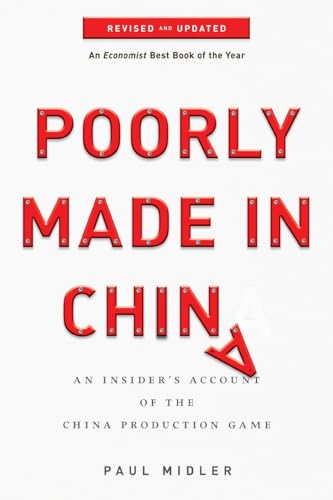
Poorly Made in China by Paul Midler is a revealing account of the challenges and pitfalls of doing business in China. It explores the cultural and ethical issues that arise in manufacturing and offers valuable insights for anyone dealing with Chinese suppliers.
In Poorly Made in China, author Paul Midler takes us on a journey through the complexities of manufacturing in China. Midler begins by introducing us to the world of manufacturing, where Western companies outsource their production to Chinese factories to cut costs. What seems like a win-win situation, however, is far from it, as Midler uncovers the intricate web of relationships and practices that hinder the quality of products made in China.
Midler introduces us to the concept of quality fade, a phenomenon where Chinese manufacturers initially produce high-quality products to win contracts but gradually reduce the quality to cut costs and increase profits. This practice, Midler argues, is a result of the lack of trust and long-term commitment between Western companies and their Chinese suppliers. The lack of transparency and accountability further exacerbates the problem.
Moving on, Poorly Made in China delves deeper into the implications of quality fade. Midler explains how Western companies, often unaware of the gradual decline in product quality, find themselves in a predicament when they finally realize that the products they are selling are subpar. This not only leads to financial losses but also damages the reputation of the Western companies.
Midler also discusses the challenges faced by quality control inspectors in China. He highlights the prevalence of a superficial approach to quality control, where inspectors often focus on appearance rather than functionality. This, he explains, is a reflection of the broader cultural attitude towards quality, where 'good enough' is considered acceptable.
Midler then takes a step back to examine the cultural and business dynamics that contribute to the prevalence of quality fade. He argues that the Chinese culture, deeply rooted in the concept of 'saving face', often leads to a lack of transparency and honesty in business dealings. Moreover, the short-term profit-driven mindset of Chinese manufacturers, coupled with the pressure to compete in a cutthroat market, further perpetuates the problem.
Midler also sheds light on the role of middlemen in the manufacturing process. These middlemen, who act as intermediaries between Western companies and Chinese factories, often prioritize their own profits over the quality of the products. As a result, they encourage and perpetuate the practice of quality fade to maintain their profit margins.
As the book progresses, Poorly Made in China shifts its focus towards finding solutions to the quality fade problem. Midler emphasizes the need for Western companies to develop long-term, transparent, and mutually beneficial relationships with their Chinese suppliers. He suggests that building trust and fostering a culture of collaboration and accountability is crucial in addressing the issue.
Midler also encourages Western companies to take a more active role in quality control, suggesting that they should invest in independent quality control processes and maintain a physical presence in the factories they work with. He argues that this hands-on approach is essential in ensuring the consistent quality of products manufactured in China.
In conclusion, Poorly Made in China provides a comprehensive understanding of the challenges and complexities of manufacturing in China. The book serves as a wake-up call for Western companies, urging them to rethink their approach to outsourcing and take proactive measures to address the quality fade problem. By shedding light on the cultural, business, and operational dynamics at play, Midler equips us with valuable insights into the world of manufacturing in China.


Poorly Made in China by Paul Midler offers a fascinating insider's perspective on the challenges and pitfalls of manufacturing in China. Through real-life anecdotes and insightful analysis, the book sheds light on the deceptive practices, quality issues, and cultural differences that can lead to subpar products. It serves as a cautionary tale for businesses looking to outsource production to China and provides valuable lessons for anyone involved in global trade.
Business owners and entrepreneurs looking to manufacture products in China
Consumers who want to understand the challenges and risks associated with products made in China
Individuals interested in learning about the complexities of global supply chains and manufacturing processes
It's highly addictive to get core insights on personally relevant topics without repetition or triviality. Added to that the apps ability to suggest kindred interests opens up a foundation of knowledge.
Great app. Good selection of book summaries you can read or listen to while commuting. Instead of scrolling through your social media news feed, this is a much better way to spend your spare time in my opinion.
Life changing. The concept of being able to grasp a book's main point in such a short time truly opens multiple opportunities to grow every area of your life at a faster rate.
Great app. Addicting. Perfect for wait times, morning coffee, evening before bed. Extremely well written, thorough, easy to use.
Try Blinkist to get the key ideas from 7,500+ bestselling nonfiction titles and podcasts. Listen or read in just 15 minutes.
Get started for freeBlink 3 of 8 - The 5 AM Club
by Robin Sharma