


Powerful ideas from top nonfiction
Try Blinkist to get the key ideas from 7,500+ bestselling nonfiction titles and podcasts. Listen or read in just 15 minutes.
Get started for free
Blink 3 of 8 - The 5 AM Club
by Robin Sharma
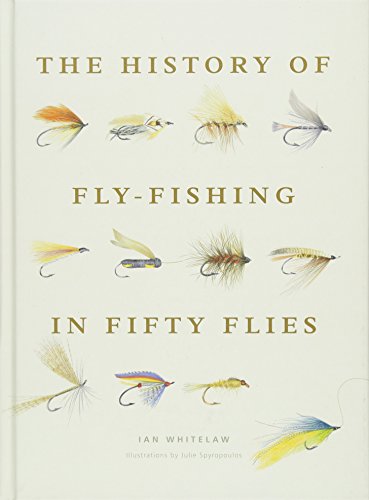
History of Fly-Fishing in Fifty Flies by Ian Whitelaw is a captivating exploration of the evolution of fly patterns. It delves into the stories behind iconic flies and their impact on the sport of fly-fishing.
In History of Fly-Fishing in Fifty Flies by Ian Whitelaw, we are taken on a journey through the evolution of fly-fishing. Starting with the Stewart's Black Spider, a fly developed in the 1850s and still in use today, we learn about the early days of fly-fishing. This period was marked by the transition from the use of live insects as bait to the development of artificial flies, which were more durable and could be used year-round.
The next significant fly in this history is the Lady Caroline, which was created in 1855. This fly represents the shift in fly design, incorporating more materials and techniques as well as the use of exotic feathers. The Royal Coachman, developed in 1878, further exemplifies this trend, showcasing the increasing complexity and artistry of fly-tying.
As we move into the early 20th century, we see the rise of fly-fishing in America. The Bass Popper, created in the 1920s, was designed specifically for bass fishing, reflecting the growing interest in fly-fishing for warm-water species. The Adams, developed in the 1920s by Leonard Halladay, is another iconic American fly, known for its versatility and effectiveness across various water types and conditions.
The Gray Wulff, a 1930s creation, marked a significant innovation in fly design, featuring a hair wing that provided improved visibility and buoyancy. The Muddler Minnow, also from the 1930s, was a game-changer, designed to imitate small fish and other aquatic creatures, expanding the range of species that could be targeted using flies.
As we progress through the 20th century, we witness further innovations in fly design. The Tom Thumb, a 1930s fly, was one of the first foam-bodied flies, a design element that has since become widespread in modern fly patterns due to its buoyancy and durability. The Lefty's Deceiver, created in the 1950s, was a revolutionary saltwater fly, designed to imitate baitfish and capable of catching a wide range of predatory species.
The Dave's Hopper, developed in the 1950s, was a significant terrestrial fly pattern, imitating grasshoppers and other land-based insects. The Syl's Midge, created in the 1970s, reflects the increasing specialization in fly patterns, designed specifically for imitating midge insects, a crucial food source for trout and other fish.
As we approach the present day, we see the global influence on fly-fishing. The Ice Cream Cone, a 1990s creation, reflects the use of new synthetic materials in fly-tying, offering increased durability and lifelike appearance. The Deer Hair Emerger, developed in the 1980s, showcases the use of natural materials in innovative ways to imitate emerging insects, a crucial stage in their life cycle.
The Bionic Bug, a 2000s fly, represents the increasing influence of European nymphing techniques on fly design, while the Takayama Sakasa Kebari, a traditional Japanese fly, highlights the global nature of fly-fishing and the continued evolution of fly patterns around the world.
As we conclude our journey through the History of Fly-Fishing in Fifty Flies, we gain a deep appreciation for the art, science, and history of fly-tying. Each of the fifty flies presented in this book represents a significant milestone in the evolution of fly-fishing, reflecting changes in angling techniques, environmental awareness, and technological advancements. This book serves as a testament to the enduring appeal of fly-fishing and the ingenuity of the anglers who continue to push the boundaries of this ancient sport.


History of Fly-Fishing in Fifty Flies by Ian Whitelaw explores the evolution of fly-fishing through the lens of fifty iconic flies. From ancient patterns to modern innovations, this book delves into the stories behind each fly and the impact they have had on the sport. With beautiful illustrations and engaging anecdotes, it offers a unique perspective on the history and art of fly-fishing.
Anyone interested in the history and evolution of fly-fishing
Experienced fly anglers looking to expand their knowledge of different fly patterns
Those who appreciate the art and craftsmanship of fly tying
It's highly addictive to get core insights on personally relevant topics without repetition or triviality. Added to that the apps ability to suggest kindred interests opens up a foundation of knowledge.
Great app. Good selection of book summaries you can read or listen to while commuting. Instead of scrolling through your social media news feed, this is a much better way to spend your spare time in my opinion.
Life changing. The concept of being able to grasp a book's main point in such a short time truly opens multiple opportunities to grow every area of your life at a faster rate.
Great app. Addicting. Perfect for wait times, morning coffee, evening before bed. Extremely well written, thorough, easy to use.
Try Blinkist to get the key ideas from 7,500+ bestselling nonfiction titles and podcasts. Listen or read in just 15 minutes.
Get started for freeBlink 3 of 8 - The 5 AM Club
by Robin Sharma