


Powerful ideas from top nonfiction
Try Blinkist to get the key ideas from 7,500+ bestselling nonfiction titles and podcasts. Listen or read in just 15 minutes.
Get started for free
Blink 3 of 8 - The 5 AM Club
by Robin Sharma
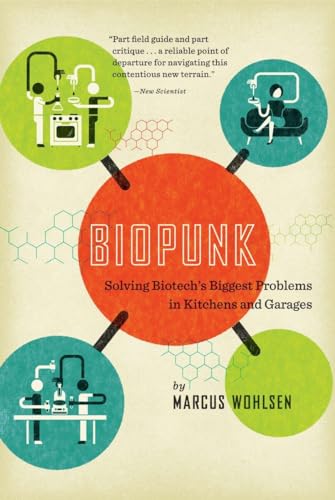
Biopunk by Marcus Wohlsen is a captivating exploration of the DIY biology movement. It delves into the world of biohackers and their quest to democratize biotechnology, highlighting the potential risks and rewards of this burgeoning field.
In Biopunk by Marcus Wohlsen, we are introduced to a new wave of bio-enthusiasts who are challenging the traditional boundaries of biotechnology. These individuals, often referred to as biohackers, are not content with being mere consumers of biotech products. Instead, they are taking the tools and knowledge of biotechnology into their own hands, literally, and using them to create new solutions to old problems.
Wohlsen begins by chronicling the evolution of biotechnology from a highly specialized field to one that is increasingly accessible to amateurs. He highlights the growing popularity of DIY biology labs and the emergence of community labs where people can experiment with biotech tools and techniques. These labs, often equipped with basic biotech tools such as pipettes, centrifuges, and microscopes, are becoming the breeding grounds for a new breed of bio-entrepreneurs.
The book then delves into the stories of some of these bio-enthusiasts, each with their unique motivations and projects. We meet, for instance, Meredith Patterson, a computer programmer who, dissatisfied with the lack of affordable insulin, began working on a DIY insulin project. We also encounter, Ellen Jorgensen, the co-founder of Genspace, a community biotech lab in Brooklyn, who is passionate about making biotech accessible to the public.
While Biopunk celebrates the potential of citizen science in biotechnology, it also doesn't shy away from discussing the potential risks and ethical concerns associated with DIY biology. Wohlsen acknowledges that the democratization of biotechnology could lead to unintended consequences, including the creation of biohazards and bioterrorism.
One of the most thought-provoking chapters in the book is a discussion on the DIY biosecurity movement. Wohlsen introduces us to individuals and organizations that are working to develop protocols and regulations to ensure the safe and responsible practice of DIY biology. He also explores the role of the government and traditional biotech institutions in regulating and collaborating with the growing DIY bio community.
Wohlsen further examines the legal and ethical implications of DIY biotech. He raises questions about the ownership of genetically modified organisms (GMOs) created by individuals and the potential intellectual property issues. He also discusses the ethical considerations around DIY human genetic engineering and the need for a broader public dialogue on these issues.
In the latter part of Biopunk, Wohlsen speculates on the future of DIY biology. He argues that the movement is not just a passing fad but a significant shift in how biotechnology is practiced and understood. He envisions a future where DIY biology labs are as common as hackerspaces and makerspaces, and where bio-enthusiasts routinely tinker with DNA the way computer enthusiasts tinker with software.
Wohlsen also explores the potential societal impacts of DIY biology. He suggests that, if properly harnessed, the creativity and diversity of the DIY bio community could lead to breakthroughs in biotech that traditional institutions might overlook. He also emphasizes the importance of fostering a culture of open-source sharing and collaboration within the DIY bio community to maximize its potential.
In conclusion, Biopunk offers a fascinating glimpse into the world of DIY biology and the individuals who are driving this movement. It challenges us to rethink our traditional notions of biotechnology and to consider the potential benefits and risks of a more democratized approach to biology. Ultimately, the book encourages us to engage in a broader conversation about the future of biotechnology and the role of citizen scientists in shaping it.


Biopunk by Marcus Wohlsen explores the world of DIY biologists and biohackers who are pushing the boundaries of genetic engineering. From creating glowing plants to developing open-source insulin, Wohlsen delves into the potential and ethical implications of this growing movement.
Individuals interested in the intersection of biology and technology
Entrepreneurs looking to understand the potential impact of biotech on various industries
Readers curious about the ethical implications of DIY biology and genetic engineering
It's highly addictive to get core insights on personally relevant topics without repetition or triviality. Added to that the apps ability to suggest kindred interests opens up a foundation of knowledge.
Great app. Good selection of book summaries you can read or listen to while commuting. Instead of scrolling through your social media news feed, this is a much better way to spend your spare time in my opinion.
Life changing. The concept of being able to grasp a book's main point in such a short time truly opens multiple opportunities to grow every area of your life at a faster rate.
Great app. Addicting. Perfect for wait times, morning coffee, evening before bed. Extremely well written, thorough, easy to use.
Try Blinkist to get the key ideas from 7,500+ bestselling nonfiction titles and podcasts. Listen or read in just 15 minutes.
Get started for freeBlink 3 of 8 - The 5 AM Club
by Robin Sharma