


Powerful ideas from top nonfiction
Try Blinkist to get the key ideas from 7,500+ bestselling nonfiction titles and podcasts. Listen or read in just 15 minutes.
Get started for free
Blink 3 of 8 - The 5 AM Club
by Robin Sharma
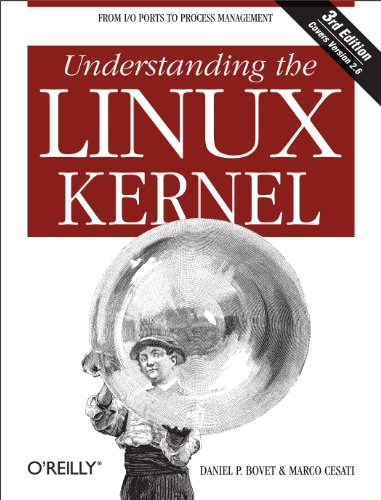
Understanding the Linux Kernel by Daniel P. Bovet provides a comprehensive guide to the inner workings of the Linux operating system. It delves into the architecture, system calls, and process management, giving readers a deep understanding of the kernel.
In Understanding the Linux Kernel by Daniel P. Bovet and Marco Cesati, we take a deep dive into the core of the Linux operating system. The book begins with an overview of the kernel and its role in the system. It explains how the kernel is structured and how it interacts with hardware, processes, and user applications.
The authors then move on to discuss process management. They delve into the scheduling policies, process creation, and termination, as well as inter-process communication mechanisms. They also explore the Linux virtual file system, covering topics such as file systems, directory operations, and file locking.
Memory management is a critical aspect of any operating system, and the Linux kernel is no exception. In this book, Bovet and Cesati provide a comprehensive explanation of Linux's memory management, including virtual memory, paging, and swapping. They also discuss the hardware architecture and its interaction with the kernel's memory management system.
Another significant part of the kernel is its device drivers. The authors explain how device drivers are structured in Linux, how they interact with the kernel, and how they are used to manage peripheral devices. The book also covers topics such as interrupt handling, kernel synchronization, and timing measurements.
Understanding system calls is crucial for understanding how user applications interact with the kernel. Bovet and Cesati provide an in-depth look at system calls in Linux, explaining their purpose, implementation, and interaction with the kernel.
The book also explores the kernel configuration process. It explains how the kernel is configured and compiled, including the use of configuration tools, kernel modules, and the boot process. The authors also discuss debugging techniques and tools for the kernel.
In the latter part of the book, Bovet and Cesati focus on the kernel data structures and algorithms. They provide detailed insights into the various data structures used in the kernel, such as linked lists, hash tables, and red-black trees. They also discuss the algorithms used for process scheduling, memory management, and file system operations.
Finally, the book concludes with a look at the Linux kernel community and development process. It explains how the kernel is maintained and updated, the role of the community and the kernel development model. The authors also provide some perspectives on the future of the Linux kernel.
In Understanding the Linux Kernel, Bovet and Cesati have provided a comprehensive and detailed exploration of the Linux kernel. The book is an invaluable resource for anyone interested in understanding the inner workings of the Linux operating system, from students and developers to system administrators and enthusiasts. It offers a deep understanding of the kernel's design, implementation, and operation, making it an essential read for anyone seeking to harness the power of Linux.


Understanding the Linux Kernel is a comprehensive guide that delves into the inner workings of the Linux operating system. Written by Daniel P. Bovet and Marco Cesati, this book provides a detailed explanation of the kernel architecture, process management, memory management, and device drivers. It is a must-read for anyone looking to gain a deep understanding of how Linux operates.
Computer science students or professionals seeking a deep understanding of the Linux operating system
System administrators and IT professionals looking to enhance their knowledge of the Linux kernel
Developers who want to gain insights into the inner workings of Linux for optimizing their applications
It's highly addictive to get core insights on personally relevant topics without repetition or triviality. Added to that the apps ability to suggest kindred interests opens up a foundation of knowledge.
Great app. Good selection of book summaries you can read or listen to while commuting. Instead of scrolling through your social media news feed, this is a much better way to spend your spare time in my opinion.
Life changing. The concept of being able to grasp a book's main point in such a short time truly opens multiple opportunities to grow every area of your life at a faster rate.
Great app. Addicting. Perfect for wait times, morning coffee, evening before bed. Extremely well written, thorough, easy to use.
Try Blinkist to get the key ideas from 7,500+ bestselling nonfiction titles and podcasts. Listen or read in just 15 minutes.
Get started for freeBlink 3 of 8 - The 5 AM Club
by Robin Sharma