


Powerful ideas from top nonfiction
Try Blinkist to get the key ideas from 7,500+ bestselling nonfiction titles and podcasts. Listen or read in just 15 minutes.
Get started for free
Blink 3 of 8 - The 5 AM Club
by Robin Sharma
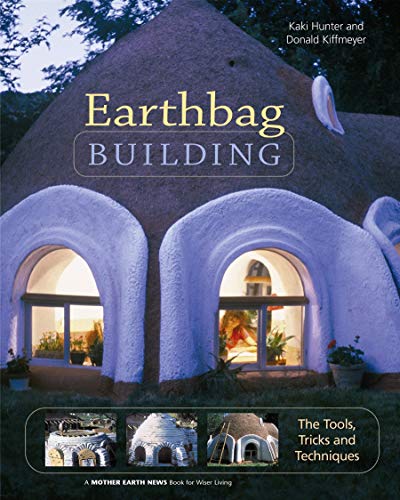
Earthbag Building by Kaki Hunter is a comprehensive guide to constructing durable and sustainable buildings using earthbags. It provides step-by-step instructions and practical tips for creating environmentally friendly structures.
In Earthbag Building by Kaki Hunter, the author introduces us to the concept of earthbag building, a construction technique that relies on the use of bags filled with earth to create durable and sustainable structures. We learn about the history of this method, its environmental benefits, and its potential to provide affordable housing solutions.
Hunter provides a detailed explanation of the materials and tools needed for earthbag construction. She discusses the different types of earthbags, their composition, and the role of barbed wire in reinforcing the structure. Additionally, she covers the importance of site selection, foundation preparation, and the initial steps of setting up the building process.
Next, Hunter delves into the actual process of building with earthbags. She explains how to fill and lay the bags, ensuring they are properly tamped down to create sturdy walls. She also discusses techniques for creating doors, windows, and other openings within the earthbag walls, as well as incorporating utilities such as plumbing and electrical systems.
In Earthbag Building, Hunter also addresses the issue of structural integrity and safety. She outlines ways to ensure the stability of the earthbag walls, including the use of buttresses, lintels, and bond beams. The author also discusses ways to protect the structure from water damage and natural disasters.
Once the main structure is complete, Hunter guides us through the process of finishing the earthbag building. She discusses various options for interior and exterior plastering, as well as alternative finishes such as adobe or lime. Additionally, she explores ways to enhance the aesthetics of the building, including creating domes, arches, and other architectural features.
Besides the construction process, Earthbag Building also covers the regulatory aspects of earthbag construction. Hunter provides insights into navigating building codes and regulations, obtaining permits, and working with professionals such as engineers and architects. She also discusses the financial aspects of earthbag building, including cost estimates and potential sources of funding.
In the latter part of the book, Hunter showcases various applications of earthbag building. She presents case studies of completed earthbag structures, including homes, schools, and community buildings. These examples highlight the versatility and adaptability of earthbag construction, making it suitable for a wide range of building projects.
In conclusion, Earthbag Building by Kaki Hunter offers a comprehensive and practical guide to this innovative construction method. By combining traditional building techniques with modern materials, earthbag building presents a sustainable and affordable solution to the global housing crisis. The book serves as an invaluable resource for anyone interested in exploring alternative building methods or seeking to create environmentally friendly and cost-effective structures.


Earthbag Building by Kaki Hunter is a comprehensive guide that introduces the concept of earthbag construction. It provides step-by-step instructions and practical tips for building durable and sustainable structures using simple materials like earth and bags. Whether you're interested in creating a small garden shed or a larger home, this book offers valuable insights into a cost-effective and eco-friendly building technique.
Individuals interested in sustainable and eco-friendly building practices
Homeowners looking to construct their own affordable and energy-efficient homes
Builders and architects seeking alternative construction methods
It's highly addictive to get core insights on personally relevant topics without repetition or triviality. Added to that the apps ability to suggest kindred interests opens up a foundation of knowledge.
Great app. Good selection of book summaries you can read or listen to while commuting. Instead of scrolling through your social media news feed, this is a much better way to spend your spare time in my opinion.
Life changing. The concept of being able to grasp a book's main point in such a short time truly opens multiple opportunities to grow every area of your life at a faster rate.
Great app. Addicting. Perfect for wait times, morning coffee, evening before bed. Extremely well written, thorough, easy to use.
Try Blinkist to get the key ideas from 7,500+ bestselling nonfiction titles and podcasts. Listen or read in just 15 minutes.
Get started for freeBlink 3 of 8 - The 5 AM Club
by Robin Sharma