


Powerful ideas from top nonfiction
Try Blinkist to get the key ideas from 7,500+ bestselling nonfiction titles and podcasts. Listen or read in just 15 minutes.
Get started for free
Blink 3 of 8 - The 5 AM Club
by Robin Sharma
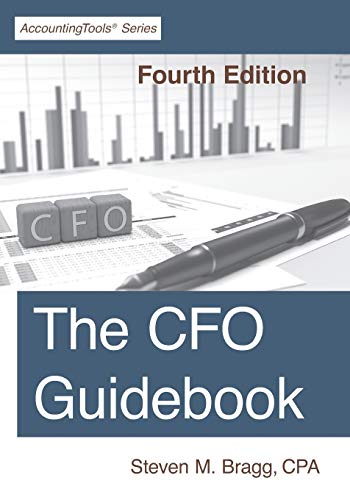
The CFO Guidebook by Steven M. Bragg is a comprehensive resource that provides practical advice and guidance for chief financial officers. It covers key financial management topics and offers valuable insights to help CFOs navigate their roles effectively.
In The CFO Guidebook by Steven M. Bragg, we delve into the multifaceted role of a Chief Financial Officer (CFO). The book begins by outlining the responsibilities of a CFO, which include financial planning, record-keeping, financial reporting, and financial risk management. It also emphasizes the importance of the CFO's role in strategic planning and decision-making.
Bragg explains that the CFO is not just a financial gatekeeper but also a strategic partner to the CEO and the board. The CFO must understand the company's business model, industry dynamics, and competitive landscape to provide valuable insights and support strategic decisions.
Next, The CFO Guidebook delves into the financial management aspect of the CFO's role. It covers budgeting, forecasting, and financial analysis, emphasizing the importance of accurate and timely financial information. The book also discusses the various financial reports that a CFO must prepare, including the balance sheet, income statement, and cash flow statement.
Bragg highlights the significance of financial controls and compliance, stressing the CFO's responsibility to ensure the company's financial statements are accurate and in compliance with accounting standards and regulations. He also discusses the role of internal and external audits in maintaining financial integrity.
Capital management and investment decisions are crucial aspects of a CFO's role, and The CFO Guidebook provides a comprehensive overview of these areas. The book explains the different sources of capital, such as equity and debt, and the factors that influence the choice between them. It also discusses the CFO's role in managing working capital and optimizing the company's capital structure.
When it comes to investment decisions, Bragg outlines the various methods for evaluating investment opportunities, including net present value (NPV), internal rate of return (IRR), and payback period. He emphasizes the importance of aligning investment decisions with the company's strategic objectives and risk tolerance.
Another critical area covered in The CFO Guidebook is risk management. Bragg explains the different types of financial risks, such as market risk, credit risk, and operational risk, and discusses strategies for identifying, assessing, and mitigating these risks. He also highlights the role of insurance and hedging in managing financial risks.
Corporate governance is also a key focus of the book. Bragg explains the CFO's role in ensuring strong corporate governance practices, including effective board oversight, transparent financial reporting, and ethical business conduct. He also discusses the importance of establishing and maintaining a robust internal control environment.
In the final sections of The CFO Guidebook, Bragg explores the impact of technology on the finance function. He discusses the rise of financial technology (fintech) and its implications for financial management, reporting, and decision-making. He also highlights the increasing importance of data analytics and business intelligence in driving financial insights.
In conclusion, The CFO Guidebook provides a comprehensive and practical guide to the CFO role, covering everything from financial management and reporting to risk management, corporate governance, and the evolving role of technology. It serves as an invaluable resource for both aspiring and practicing CFOs, offering insights and best practices to excel in this critical leadership position.


The CFO Guidebook by Steven M. Bragg is a comprehensive resource for financial executives. It covers a wide range of topics including financial reporting, budgeting, cash management, and internal controls. Whether you're a seasoned CFO or aspiring to be one, this book provides practical insights and best practices to help you excel in your role.
The CFO Guidebook (2014) is a comprehensive resource that covers every aspect of the Chief Financial Officer role. Here's why this book is definitely worth reading:
It's highly addictive to get core insights on personally relevant topics without repetition or triviality. Added to that the apps ability to suggest kindred interests opens up a foundation of knowledge.
Great app. Good selection of book summaries you can read or listen to while commuting. Instead of scrolling through your social media news feed, this is a much better way to spend your spare time in my opinion.
Life changing. The concept of being able to grasp a book's main point in such a short time truly opens multiple opportunities to grow every area of your life at a faster rate.
Great app. Addicting. Perfect for wait times, morning coffee, evening before bed. Extremely well written, thorough, easy to use.
Try Blinkist to get the key ideas from 7,500+ bestselling nonfiction titles and podcasts. Listen or read in just 15 minutes.
Get started for freeBlink 3 of 8 - The 5 AM Club
by Robin Sharma
What is the main message of The CFO Guidebook?
The main message of The CFO Guidebook is to provide comprehensive guidance for chief financial officers.
How long does it take to read The CFO Guidebook?
The reading time for The CFO Guidebook depends on the reader, but it typically takes several hours. The Blinkist summary can be read in around 15 minutes.
Is The CFO Guidebook a good book? Is it worth reading?
The CFO Guidebook is a valuable resource for CFOs, offering practical insights and guidance for their role. It's definitely worth reading.
Who is the author of The CFO Guidebook?
The author of The CFO Guidebook is Steven M. Bragg.