


Powerful ideas from top nonfiction
Try Blinkist to get the key ideas from 7,500+ bestselling nonfiction titles and podcasts. Listen or read in just 15 minutes.
Get started for free
Blink 3 of 8 - The 5 AM Club
by Robin Sharma
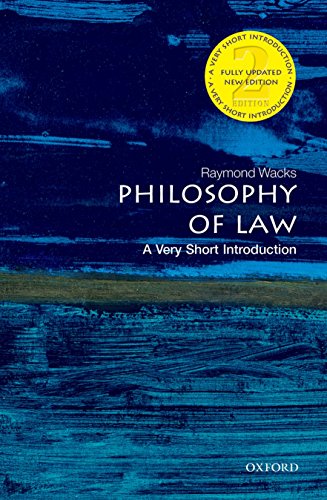
Philosophy of Law by Raymond Wacks provides a comprehensive exploration of the fundamental principles and theories that underpin the legal system. It delves into topics such as justice, rights, and the nature of law, offering valuable insights for both students and legal enthusiasts.
In Philosophy of Law, Raymond Wacks delves into the intricate world of jurisprudence, exploring the nature of law and its role in society. He starts by examining the fundamental question: what is law? He introduces us to various theories, including natural law theory, legal positivism, and legal realism, each offering a distinct perspective on the nature and function of law.
According to natural law theory, laws are derived from objective moral principles, and an unjust law is not a law at all. Legal positivism, on the other hand, argues that the validity of law is based on social facts, such as its enactment by a legitimate authority, irrespective of its moral content. Legal realism challenges these theories, asserting that judges often make decisions based on personal, political, and social factors, rather than rigid legal rules.
Wacks then explores the relationship between law and morality, a subject that has long intrigued legal philosophers. He discusses the question of whether a law can be considered valid if it is morally unjust, and whether individuals have a moral obligation to obey the law. These debates, he explains, are central to understanding the nature of legal systems and their impact on society.
He also examines the concept of legal rights, distinguishing between moral rights and legal rights. While moral rights are based on ethical principles, legal rights are created and enforced by the legal system. Wacks highlights the complex interplay between these two types of rights, and the challenges that arise when they conflict.
Next, Wacks turns his attention to the interpretation and application of law. He discusses different theories of legal interpretation, such as textualism, intentionalism, and purposivism, each advocating for a distinct approach to understanding legal texts. He also explores the role of judges in interpreting and applying the law, emphasizing the significance of judicial discretion and the potential for differing interpretations.
Wacks then delves into the concept of legal reasoning, examining the methods used by judges to reach their decisions. He discusses the role of precedent, the use of analogical reasoning, and the importance of legal principles, illustrating how these elements contribute to the process of legal decision-making.
In the latter part of Philosophy of Law, Wacks shifts his focus to the global dimension of law. He explores the concept of international law and its role in regulating relations between states, as well as the challenges associated with its enforcement. He also discusses the concept of human rights, examining the philosophical foundations of these rights and their significance in the modern world.
Wacks concludes by reflecting on the dynamic nature of law and its capacity for change. He emphasizes the importance of legal philosophy in understanding and critiquing the legal system, and in shaping the future development of the law. In doing so, he provides a comprehensive overview of the philosophy of law, shedding light on its complexities and its enduring relevance in our society.


Philosophy of Law by Raymond Wacks delves into the fundamental questions surrounding the nature of law, its relationship with morality, and its role in society. Through thought-provoking analysis and real-world examples, the book challenges readers to critically examine their own beliefs about the legal system and its principles.
Law students and legal professionals seeking a deeper understanding of the philosophical underpinnings of the legal system
Philosophy enthusiasts interested in exploring the ethical and moral dimensions of law
Individuals grappling with complex legal and ethical dilemmas in their personal or professional lives
It's highly addictive to get core insights on personally relevant topics without repetition or triviality. Added to that the apps ability to suggest kindred interests opens up a foundation of knowledge.
Great app. Good selection of book summaries you can read or listen to while commuting. Instead of scrolling through your social media news feed, this is a much better way to spend your spare time in my opinion.
Life changing. The concept of being able to grasp a book's main point in such a short time truly opens multiple opportunities to grow every area of your life at a faster rate.
Great app. Addicting. Perfect for wait times, morning coffee, evening before bed. Extremely well written, thorough, easy to use.
Try Blinkist to get the key ideas from 7,500+ bestselling nonfiction titles and podcasts. Listen or read in just 15 minutes.
Get started for freeBlink 3 of 8 - The 5 AM Club
by Robin Sharma