


Powerful ideas from top nonfiction
Try Blinkist to get the key ideas from 7,500+ bestselling nonfiction titles and podcasts. Listen or read in just 15 minutes.
Get started for free
Blink 3 of 8 - The 5 AM Club
by Robin Sharma
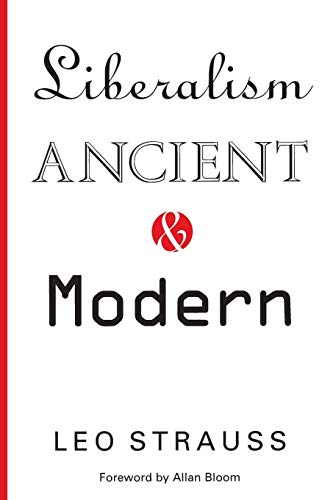
Liberalism Ancient and Modern by Leo Strauss offers a thought-provoking analysis of the origins and evolution of liberal political thought. It delves into the tensions between ancient and modern liberalism, shedding light on their philosophical underpinnings.
In Liberalism Ancient and Modern, Leo Strauss delves into the historical and philosophical roots of liberalism. He begins by examining the classical origins of liberalism in the works of Socrates, Plato, and Aristotle. Strauss argues that these thinkers' emphasis on reason and the pursuit of truth laid the groundwork for the liberal tradition.
He then moves on to discuss the influence of Christianity on the development of liberalism. Strauss asserts that Christianity, with its emphasis on the individual soul and personal salvation, contributed to the rise of individualism and the concept of natural rights.
Strauss then explores the Enlightenment era and its impact on the evolution of liberalism. He highlights the role of thinkers like John Locke and Immanuel Kant, who further developed the concept of individual rights and the social contract theory. According to Strauss, these ideas formed the basis of modern liberalism.
However, Strauss also critiques the Enlightenment thinkers for their rejection of the classical tradition. He argues that their dismissal of ancient wisdom led to a shallow understanding of human nature and morality, which has had negative consequences for modern liberalism.
In the next part of Liberalism Ancient and Modern, Strauss turns his attention to the challenges facing modern liberalism. He points out that the rise of relativism and nihilism in the 19th and 20th centuries has eroded the moral and intellectual foundations of liberal democracy.
Additionally, Strauss discusses the impact of historicism, the belief that all knowledge is historically conditioned, on modern thought. He argues that historicism has led to a loss of confidence in the universal truths that underpin liberal democracy, further contributing to its crisis.
In response to these challenges, Strauss suggests a return to the classical understanding of liberalism. He advocates for a revival of the Socratic and Aristotelian emphasis on reason, virtue, and the pursuit of truth. According to Strauss, this return to classical liberalism is necessary to address the moral and intellectual crisis facing modern society.
He also emphasizes the importance of studying the great works of political philosophy to understand the enduring questions and challenges of political life. Strauss argues that engaging with these timeless texts can help us develop a deeper understanding of the principles and values that underpin liberal democracy.
In conclusion, Liberalism Ancient and Modern presents a nuanced exploration of the historical and philosophical development of liberalism. Strauss' work invites us to engage in a critical dialogue about the nature and future of liberal democracy. He challenges us to reconsider the classical roots of liberalism and to confront the intellectual and moral crises that threaten its survival.
Ultimately, Strauss' analysis in Liberalism Ancient and Modern provides a thought-provoking and comprehensive perspective on the complex trajectory of liberal thought, and its ongoing relevance in the modern world.


Liberalism Ancient and Modern by Leo Strauss delves into the history and evolution of liberalism, examining its roots in ancient Greek philosophy and its development in the modern era. Strauss offers a thought-provoking analysis of the challenges and contradictions inherent in liberal thought, making a compelling case for the reexamination and reevaluation of liberal principles in the context of contemporary society.
Readers interested in the history and evolution of liberal thought
Individuals who want to understand the philosophical underpinnings of modern liberalism
Those who appreciate nuanced and thought-provoking analysis of political ideologies
It's highly addictive to get core insights on personally relevant topics without repetition or triviality. Added to that the apps ability to suggest kindred interests opens up a foundation of knowledge.
Great app. Good selection of book summaries you can read or listen to while commuting. Instead of scrolling through your social media news feed, this is a much better way to spend your spare time in my opinion.
Life changing. The concept of being able to grasp a book's main point in such a short time truly opens multiple opportunities to grow every area of your life at a faster rate.
Great app. Addicting. Perfect for wait times, morning coffee, evening before bed. Extremely well written, thorough, easy to use.
Try Blinkist to get the key ideas from 7,500+ bestselling nonfiction titles and podcasts. Listen or read in just 15 minutes.
Get started for freeBlink 3 of 8 - The 5 AM Club
by Robin Sharma