














Powerful ideas from top nonfiction
Try Blinkist to get the key ideas from 7,500+ bestselling nonfiction titles and podcasts. Listen or read in just 15 minutes.
Get started for free
Blink 3 of 8 - The 5 AM Club
by Robin Sharma
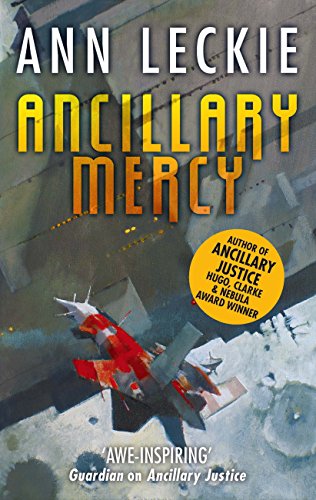
Ancillary Mercy is a gripping science fiction novel by Ann Leckie. It follows the story of Breq, a former starship AI, as she navigates political intrigue and confronts her past in a quest for justice and redemption.
In Ancillary Mercy by Ann Leckie, we are once again reunited with Breq, the former AI of a colossal warship, now trapped in a single human body. The story picks up from where Ancillary Sword left off, with Breq attempting to maintain order and peace on Athoek Station, a remote and relatively peaceful part of the Radchaai Empire. However, things are far from calm, as the presence of Presger, an alien race, and the ongoing conflict with Anaander Mianaai, the multi-bodied ruler of the Radchaai Empire, create a tense atmosphere.
Breq's main focus remains on protecting the people of Athoek Station. As she navigates the complex political landscape, she faces numerous challenges, including dealing with the station's divided society and the powerful and unpredictable Presger. Moreover, she must confront the many facets of Anaander Mianaai, who is not only her enemy but also someone she once served loyally.
One of the central themes in Ancillary Mercy is the exploration of identity. Breq, who was once an AI controlling an entire warship, struggles with her new human form and the emotions that come with it. As she interacts with the diverse inhabitants of Athoek Station, she grapples with her own sense of self and the moral implications of her past actions.
Meanwhile, the station's residents, particularly the alien species known as the Presger, also face identity crises. The Presger, who have a unique way of communicating and understanding the world, struggle to coexist with the Radchaai Empire, leading to misunderstandings and conflicts. The novel delves into the question of autonomy and the right to self-determination, emphasizing the importance of respecting different identities and cultures.
As the plot unfolds, Ancillary Mercy delves deeper into the relationships between its characters. Breq, who is known for her detached and pragmatic nature, finds herself forming unexpected connections. She develops a close bond with Seivarden, a former soldier she once saved, and also forges alliances with various factions on the station, including the Presger.
These relationships are further complicated by the presence of Anaander Mianaai, who is revealed to have multiple versions of herself, each with its own agenda. Breq must navigate this intricate web of loyalties and betrayals, constantly questioning who she can trust and who is manipulating her for their own gain.
Throughout the novel, Breq remains driven by her quest for justice and redemption. She is determined to hold Anaander Mianaai accountable for her crimes, including the destruction of Breq's original ship and crew. Yet, as she confronts the different versions of Anaander, she begins to question the nature of justice and the possibility of forgiveness.
In the end, Ancillary Mercy is not just a story of intergalactic conflict, but also a profound exploration of humanity and morality. It challenges us to consider the complexities of identity, the power dynamics of empire, and the universal desire for freedom and self-determination. As the series concludes, Breq's journey reminds us that true mercy often requires understanding, empathy, and a willingness to forgive.


Ancillary Mercy is the thrilling conclusion to Ann Leckie's award-winning Imperial Radch trilogy. In this space opera, Breq, an ancillary soldier, navigates political intrigue and battles against an oppressive empire. Leckie masterfully explores themes of identity, power, and justice in a unique and thought-provoking way.
Science fiction enthusiasts who enjoy complex world-building and diverse characters
Readers who appreciate thought-provoking explorations of identity, power, and social justice
Fans of space opera and epic storytelling with a unique perspective
It's highly addictive to get core insights on personally relevant topics without repetition or triviality. Added to that the apps ability to suggest kindred interests opens up a foundation of knowledge.
Great app. Good selection of book summaries you can read or listen to while commuting. Instead of scrolling through your social media news feed, this is a much better way to spend your spare time in my opinion.
Life changing. The concept of being able to grasp a book's main point in such a short time truly opens multiple opportunities to grow every area of your life at a faster rate.
Great app. Addicting. Perfect for wait times, morning coffee, evening before bed. Extremely well written, thorough, easy to use.
Try Blinkist to get the key ideas from 7,500+ bestselling nonfiction titles and podcasts. Listen or read in just 15 minutes.
Get started for freeBlink 3 of 8 - The 5 AM Club
by Robin Sharma