Stephen C. Meyer Books
Stephen C. Meyer is a prominent advocate for the theory of intelligent design. He is the author of several books, including 'Signature in the Cell' and 'Darwin's Doubt'. Meyer's work explores the intersection of science, philosophy, and religion, and he has been a leading figure in the intelligent design movement. With a background in the history and philosophy of science, Meyer brings a unique perspective to the debate over the origins of life and the universe.
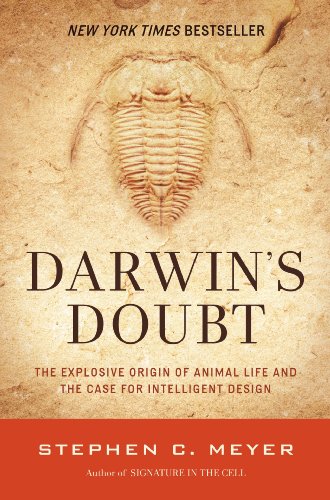
Darwin's Doubt
What's Darwin's Doubt about?
Darwin's Doubt by Stephen C. Meyer examines the theory of evolution and the sudden appearance of complex animal life in the fossil record during the Cambrian explosion. Meyer challenges the traditional account of Darwinian evolution and presents the argument for intelligent design as a more plausible explanation for the origin of species.
Who should read Darwin's Doubt?
- Readers with an interest in the debate between intelligent design and evolution
- Those curious about the scientific challenges to Darwinian evolution
- Individuals who enjoy exploring complex and controversial topics with an open mind

Signature in the Cell
What's Signature in the Cell about?
Signature in the Cell by Stephen C. Meyer explores the mystery of the origin of life and the evidence for intelligent design. Meyer argues that the information encoded in DNA points to the work of an intelligent agent, challenging the widely accepted theory of Darwinian evolution. This thought-provoking book delves into the intersection of science, philosophy, and theology to examine one of the biggest questions of our existence.
Who should read Signature in the Cell?
Readers who are curious about the origins of life and the complexities of DNA
Individuals interested in the intersection of science and philosophy
Those who are open to exploring alternative perspectives on the theory of evolution