Soren Kierkegaard Books
Søren Kierkegaard was a Danish philosopher and theologian who lived in the 19th century. He is considered one of the founding figures of existentialism and made significant contributions to the fields of ethics, psychology, and religious philosophy. Kierkegaard's work often explored the inner struggles of the individual in the face of existential dilemmas and the search for meaning in a seemingly absurd world. Some of his other notable works include "Either/Or," "The Sickness Unto Death," and "Concluding Unscientific Postscript."
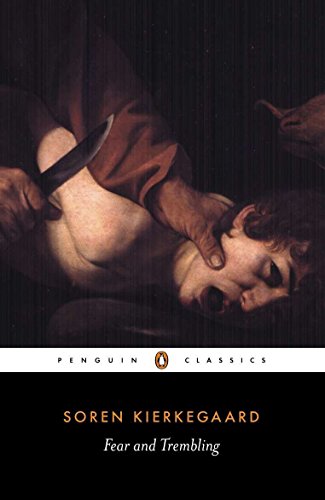
Fear and Trembling
What's Fear and Trembling about?
Fear and Trembling by Soren Kierkegaard delves into the story of Abraham and Isaac from the Bible, exploring the concept of faith and the ethical implications of religious belief. Through philosophical reflections and thought-provoking analysis, Kierkegaard challenges conventional ideas and invites readers to ponder the complexities of faith and morality.
Who should read Fear and Trembling?
- Those seeking a deeper understanding of faith and the nature of religious belief
- Philosophy enthusiasts interested in exploring existential dilemmas and moral paradoxes
- Readers looking for thought-provoking insights into the complexities of human existence and the pursuit of truth

What's Either/Or about?
Either/Or (1843) contrasts aesthetic and ethical approaches to life through a series of fictional letters between two characters. Their dialogue explores themes of existential anxiety, subjectivity, and the search for meaning, and became foundational for 20th century existentialism.
Who should read Either/Or?
- Philosophy enthusiasts
- Anyone seeking intellectual stimulation
- Individuals interested in existential themes