Sam Newman Books
Sam Newman is a renowned author and expert in the field of microservices. With over 20 years of experience, he has helped numerous organizations design and implement scalable and resilient systems. Sam's book, Building Microservices, has become a go-to resource for developers and architects looking to understand the principles and best practices of microservice architecture. His practical insights and real-world examples make his work invaluable to anyone navigating the complexities of modern software development.

Building Microservices
What's Building Microservices about?
Building Microservices by Sam Newman is a comprehensive guide that explores the principles and best practices for designing, building, and deploying microservice-based applications. It covers topics such as communication between services, data management, testing, and monitoring, providing valuable insights for developers and architects looking to embrace this architectural style.
Who should read Building Microservices?
- Software developers and architects seeking to understand microservices
- Technology leaders looking to implement microservice architectures in their organizations
- Teams working on transitioning from monolithic to microservice-based systems
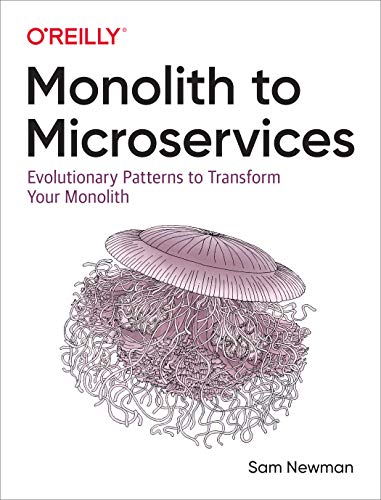
Monolith to Microservices
What's Monolith to Microservices about?
Monolith to Microservices by Sam Newman explores the journey of breaking down large, complex software systems into smaller, independent services. It provides practical guidance on the challenges and benefits of transitioning from a monolithic architecture to a microservices-based approach. With real-world examples and insightful advice, this book is essential for anyone looking to modernize their software infrastructure.
Who should read Monolith to Microservices?
Software architects and developers looking to transition from monolithic to microservices architecture
Enterprise IT leaders and decision-makers seeking to modernize their technology infrastructure
Teams responsible for maintaining and evolving large, complex software systems