Michael Shermer Books
Michael Shermer is a science journalist, historian and founder of The Skeptics Society – a non-profit organization of over 55,000 members that promotes scientific skepticism and fights pseudoscience. He’s the editor in chief of Skeptic, and writes monthly for Scientific American. He’s also published many other books, such as Why Darwin Matters: The Case Against Intelligent Design and The Science of Good and Evil: Why People Cheat, Gossip, Care, Share and Follow the Golden Rule.

Why Darwin Matters
What's Why Darwin Matters about?
Why Darwin Matters by Michael Shermer explores the enduring significance of Charles Darwin's theory of evolution. Shermer delves into the scientific evidence supporting evolution and its implications for our understanding of the natural world. He also addresses the ongoing debate between creationism and evolution, making a compelling case for why Darwin's ideas continue to be relevant and important in today's world.
Who should read Why Darwin Matters?
- Science enthusiasts and those curious about the theory of evolution
- Individuals who want to better understand the impact of Charles Darwin's work
- Readers interested in exploring the intersection of science and religion
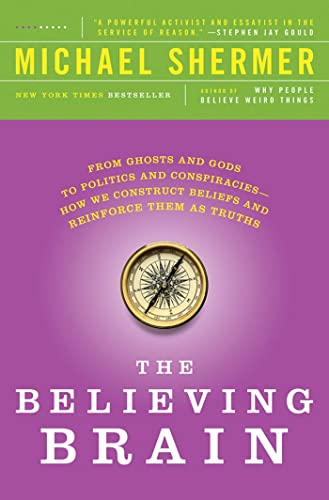
The Believing Brain
What's The Believing Brain about?
'The Believing Brain' by Michael Shermer delves into the neuroscience and psychology behind belief formation. Shermer explores how our brains are hardwired to seek patterns and create beliefs, often based on emotions and subjective experiences rather than evidence. Through in-depth research and engaging storytelling, the book challenges our assumptions and encourages critical thinking about the nature of belief.
Who should read The Believing Brain?
- Readers who are curious about the psychology behind belief formation
- Individuals interested in critical thinking and skepticism
- Those who want to better understand their own cognitive biases