Eric S. Raymond Books
Eric S. Raymond is a prominent figure in the open-source software community. He is best known for his influential essay "The Cathedral and the Bazaar," which explores the benefits of open, collaborative development. Raymond has been a key advocate for the open-source movement and has made significant contributions to various projects, including the development of the GNU Emacs text editor. His book, "The Cathedral & the Bazaar," remains a seminal work in the field of open-source software.

The Cathedral & the Bazaar
What's The Cathedral & the Bazaar about?
The Cathedral & the Bazaar (1999) by Eric S. Raymond explores the world of open-source software development. Through insightful essays and case studies, Raymond discusses the advantages of the decentralized, collaborative approach of the bazaar compared to the traditional, closed model of the cathedral. This book offers valuable lessons for anyone interested in the power of community-driven innovation.
Who should read The Cathedral & the Bazaar?
- Individuals with an interest in open source software
- Tech enthusiasts who want to understand the collaborative nature of software development
- Business professionals looking to leverage the principles of open source for their organizations
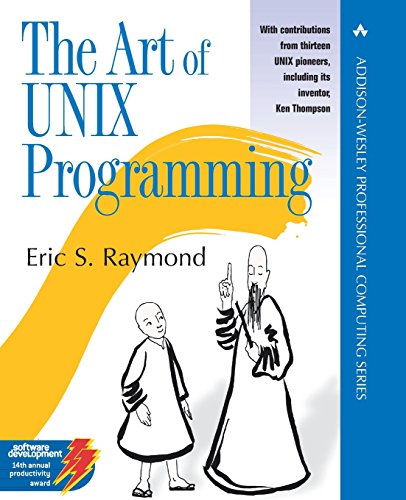
The Art of UNIX Programming
What's The Art of UNIX Programming about?
The Art of UNIX Programming by Eric S. Raymond delves into the principles and practices of the UNIX philosophy and how they influence software design. It offers valuable insights for programmers and developers on creating elegant, efficient, and maintainable code. Through real-world examples and historical context, the book showcases the artistry and craftsmanship behind UNIX programming.
Who should read The Art of UNIX Programming?
Software developers and programmers who want to deepen their understanding of UNIX
Professionals looking to improve their coding skills and learn from UNIX design principles
Individuals interested in the history and philosophy behind UNIX and its impact on modern computing