Better than a summary
The Girls Who Went Away summary
Ann Fessler
No credit card required · Cancel anytime
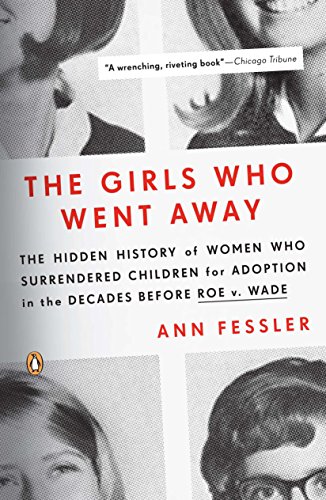
The Girls Who Went Away by Ann Fessler is a powerful and heartbreaking account of the experiences of women who were forced to relinquish their babies for adoption in the mid-20th century. It sheds light on a hidden chapter in American history and the lasting impact it had on these women.
The Girls Who Went Away
Summary of key ideas
The Untold Stories of Surrendered Mothers
In The Girls Who Went Away, Ann Fessler delves into the untold stories of women who surrendered their children for adoption in the mid-20th century. The book begins with the author's personal story, revealing her own experience as an adopted child and her journey to understand her birth mother's decision to give her up.
Fessler then expands her focus to include the experiences of countless other women who found themselves in similar situations. She conducted interviews with over 100 women who had surrendered their children for adoption during the 1950s and 1960s, a time when premarital sex was heavily stigmatized, and single motherhood was considered shameful.
The Pressure to Surrender
Through these interviews, Fessler uncovers the societal pressures and expectations that forced these women to give up their babies. Many of them were sent away to maternity homes, isolated from their families and communities, and coerced into signing adoption papers. They were often told that they were unfit to raise their children and that giving them up was the best option for everyone involved.
These women's stories reveal the emotional trauma and lasting impact of this experience. They describe the pain of separation, the shame they felt, and the silence they were forced to maintain about their past. Fessler's work brings to light the hidden history of these women, who were often forgotten or dismissed by society.
The Aftermath of Surrender
After exploring the circumstances that led to the surrender of their children, The Girls Who Went Away delves into the aftermath of this decision. Fessler reveals that many of these women were haunted by their choice for decades, struggling with feelings of guilt, grief, and loss. Some went on to marry and have other children, keeping their past a secret, while others remained single, unable to move on from the trauma.
Furthermore, Fessler highlights the impact of these surrenders on the children who were given up for adoption. Many of them grew up feeling abandoned and unloved, unaware of the societal forces that led to their separation from their birth mothers. The book emphasizes the need for greater understanding and empathy towards these women and their children.
Reclaiming Their Stories
In the final section of The Girls Who Went Away, Fessler explores the women's journey towards reclaiming their stories. Over time, many of them began to speak out about their experiences, challenging the societal norms that had silenced them for so long. They formed support groups, shared their stories in public forums, and advocated for changes in adoption laws and practices.
By sharing their stories, these women not only found healing for themselves but also helped to shed light on a dark chapter in American history. Fessler's book serves as a powerful testament to their resilience and courage, and a call for greater understanding and compassion towards all those affected by the adoption process.
More knowledge in less time

Read or listen
Get the key ideas from nonfiction bestsellers in minutes, not hours.

Find your next read
Get book lists curated by experts and personalized recommendations.

Shortcasts
We've teamed up with podcast creators to bring you key insights from podcasts.
What is The Girls Who Went Away about?
The Girls Who Went Away by Ann Fessler is a powerful and eye-opening book that explores the untold stories of women who were forced to give up their babies for adoption in the 1950s and 60s. Through interviews and personal accounts, Fessler sheds light on the societal pressures and stigmas that led to these heartbreaking separations, and the long-term effects it had on the lives of these women.
The Girls Who Went Away Review
The Girls Who Went Away (2006) tells the untold stories of women who surrendered their children for adoption during the era of strict societal norms. Here's why this book is worth reading:
- Through heartbreaking personal accounts, it sheds light on the emotional and psychological impact of losing a child.
- By exploring the shame and stigma attached to unwed pregnancies, it reveals a hidden chapter of history.
- With its meticulous research and compassionate storytelling, this book sensitively honors the women's experiences and brings their stories to the forefront.
Who should read The Girls Who Went Away?
- Individuals who are interested in women's history and reproductive rights
- Adoptees and birth mothers who want to understand the impact of adoption on their lives
- Social workers, counselors, and professionals in the adoption field
Categories with The Girls Who Went Away
Book summaries like The Girls Who Went Away
 The Now HabitNeil FioreA Strategic Program for Overcoming Procrastination and Enjoying Guilt-Free Play4.4
 BlinkMalcolm GladwellThe Power of Thinking Without Thinking4.0
 IncognitoDavid EaglemanThe Secret Lives of the Brain3.8
 OutliersMalcolm GladwellThe Story of Success 4.2
 HappinessRichard LayardLessons from a New Science4.0
 InfluenceRobert B. CialdiniThe Psychology of Persuasion4.5
 MindsetCarol DweckThe New Psychology of Success4.4
 AttachedAmir Levine, Rachel HellerThe New Science of Adult Attachment and How It Can Help You Find -- and Keep -- Love4.2
 On intelligence Jeff Hawkins, Sandra BlakesleeHow a New Understanding of the Brain Will Lead to the Creation of Truly Intelligent Machines3.9
 The Power of HabitCharles DuhiggWhy We Do What We Do in Life and Business4.3
 The (Honest) Truth About DishonestyDan ArielyHow We Lie to Everyone – Especially Ourselves4.1
 The Happiness HypothesisJonathan HaidtPutting Ancient Wisdom and Philosophy to the Test of Modern Science4.5
 The Paradox of ChoiceBarry SchwartzWhy More Is Less4.5
 FlowMihaly CsikszentmihalyiThe Psychology of Optimal Experience4.3
 Think Like a FreakStephen Dubner, Steven LevittThe Authors of Freakonomics Offer to Retrain Your Brain4.3
 Why We Make MistakesJoseph T. HallinanHow We Look Without Seeing, Forget Things in Seconds, and Are All Pretty Sure We Are Way Above Average4.3
 Why We LoveHelen FisherThe Nature and Chemistry of Romantic Love4.4
 Crucial ConversationsKerry Patterson, Joseph Grenny, Ron McMillan, Al SwitzlerTools for Talking When Stakes Are High4.1
 Moonwalking with EinsteinJoshua FoerThe Art and Science of Remembering Everything4.2
 The Twenty-Four Hour MindRosalind D. CartwrightThe Role of Sleep and Dreaming in Our Emotional Lives3.8
 My Age of AnxietyScott StosselFear, Hope, Dread and the Search for Peace of Mind3.4
 Buddha’s BrainRick HansonHappiness, Love and Wisdom4.3
 Risk SavvyGerd GigerenzerHow to Make Good Decisions3.7
 PersonalityDaniel NettleWhat Makes You the Way You Are4.2
 Drunk Tank PinkAdam AlterAnd Other Unexpected Forces that Shape How We Think, Feel, and Behave4.2
 Becoming AttachedRobert KarenFirst Relationships and How They Shape Our Capacity to Love3.8
 You Are Now Less DumbDavid McRaneyHow to Conquer Mob Mentality, How to Buy Happiness, and All the Other Ways to Outsmart Yourself4.0
 The Marshmallow TestWalter MischelMastering Self-Control4.4
 The ADHD AdvantageDale ArcherWhat You Thought Was a Diagnosis May Be Your Greatest Strength3.2
 You are not your brainJeffrey Schwartz, Rebecca GladdingThe 4-Step Solution for Changing Bad Habits, Ending Unhealthy Thinking, and Taking Control of Your Life4.5
People ❤️ Blinkist
Become a member of our community of 44 million people

96k ratings

73k ratings
Renee D.
I'm absolutely thrilled that Blinkist now offers infographics! I can't get enough of them—they're such a fun and effective way to grasp and remember key points.
Guillem B.
Life changing. The concept of being able to grasp a book's main point in such a short time truly opens multiple opportunities to grow every area of your life at a faster rate.
Sven O.
It's highly addictive to get core insights on personally relevant topics without repetition or triviality. Added to that the apps ability to suggest kindred interests opens up a foundation of knowledge.
People also liked these summaries
 Eating AnimalsJonathan Safran FoerThe (a)morality of our eating habits and traditions4.3
 The Omnivore's DilemmaMichael PollanA Natural History of Four Meals4.4
 SavorHanh & CheungMindful Eating, Mindful Life4.0
 Eat to LiveJoel FuhrmanThe Amazing Nutrient-Rich Program for Fast and Sustained Weight Loss4.2
 Nutrition and Physical DegenerationWeston Andrew PriceA Comparison of Primitive and Modern Diets and their Effects4.2
 Salt Sugar FatMichael MossHow the Food Giants Hooked Us4.2
 Mindless EatingBrian WansinkWhy We Eat More Than We Think4.2
 GutGiulia EndersThe Inside Story of Our Body’s Most Underrated Organ4.3
 The Happiness of PursuitChris GuillebeauFinding the Quest That Will Bring Purpose to Your Life4.5
 Grain BrainDavid PerlmutterThe Surprising Truth about Wheat, Carbs, and Sugar4.3
 The Easy Way to Stop SmokingAllen CarrJoin the Millions Who Have Become Non-Smokers Using Allen Carr's Easyway Method4.1
 The Bulletproof DietDave AspreyLose up to a Pound a Day, Reclaim Energy and Focus, Upgrade Your Life4.3
 Get Some HeadspaceAndy Puddicombe10 Minutes Can Make All the Difference4.4
 In Defense of FoodMichael PollanAn Eaters Manifesto4.5
 Do You Believe in Magic?Paul A. OffitVitamins, Supplements, and All Things Natural: A Look Behind the Curtain 2.7
 Brain MakerDavid PerlmutterThe Power of Gut Microbes to Heal and Protect Your Brain4.3
 The Blue ZonesDan Buettner9 Lessons for Living Longer From the People Who've Lived the Longest4.4
 The Third PlateDan BarberField Notes on the Future of Food 4.2
 The China StudyThomas Campbell and T. Colin CampbellThe Most Comprehensive Study of Nutrition Ever Conducted And the Startling Implications for Diet, Weight Loss, And Long-term Health4.1
 Missing MicrobesMartin J. BlaserHow the Overuse of Antibiotics Is Fueling Our Modern Plagues4.2
 The Paleo ManifestoJohn DurantAncient Wisdom for Lifelong Health4.2
 What The Fork Are you Eating?Stefanie SacksAn Action Plan for Your Pantry and Plate4.0
 The Boys in the BoatDaniel James BrownNine Americans and Their Epic Quest for Gold at the 1936 Berlin Olympics4.3
 I Can Hear You WhisperLydia DenworthAn Intimate Journey through the Science of Sound and Language3.9
 ImmunityWilliam E. PaulTeaser: The importance of our immune system4.2
 Ending AgingAubrey de Grey, Michael RaeThe Rejuvenation Breakthroughs That Could Reverse Human Aging in Our Lifetime3.4
 Eat, Move, SleepTom RathHow Small Choices Lead to Big Changes4.0
 Too Much of a Good Thing Lee GoldmanHow Four Key Survival Traits Are Now Killing Us
3.8
Too Much of a Good Thing Lee GoldmanHow Four Key Survival Traits Are Now Killing Us
3.8 EradicationNancy Leys StepanRidding the World of Diseases Forever3.7
Trusted by the world's leading brands

Powerful ideas from top nonfiction
Try Blinkist to get the key ideas from 7,500+ bestselling nonfiction titles and podcasts. Listen or read in just 15 minutes.
Get started
Blink 3 of 8 - The 5 AM Club
by Robin Sharma
The Girls Who Went Away FAQs
What is the main message of The Girls Who Went Away?
The main message of The Girls Who Went Away is the untold stories of birth mothers in the 1950s and 1960s forced to surrender their children.
How long does it take to read The Girls Who Went Away?
The reading time for The Girls Who Went Away varies depending on the reader's speed. However, the Blinkist summary can be read in just 15 minutes.
Is The Girls Who Went Away a good book? Is it worth reading?
The Girls Who Went Away is a poignant and revealing book that sheds light on a forgotten chapter of American history. It is definitely worth reading.
Who is the author of The Girls Who Went Away?
The author of The Girls Who Went Away is Ann Fessler.