Embark on a thrilling journey through the world of science with this captivating book list. From the mysteries of the universe to the intricacies of the human body, each title will expand your knowledge and ignite your curiosity. Whether you're a science enthusiast or simply eager to delve into the wonders of our world, this collection has something for everyone. Prepare to be amazed by the profound discoveries and groundbreaking research that shape our understanding of the universe.
The best 34 Science books
- 1

Hyperspace
Michio Kaku
Teaser: Journey Through Parallel Universes and the 10th Dimension
4.1 (65 ratings)
Listen to the Intro01:06What's Hyperspace about?
Hyperspace (1994) offers an accessible introduction to string theory, one of the most exciting ideas in modern physics. It also explores some of the implications of the theory, such as the possible existence of wormholes.
Who should read Hyperspace?
- Physics enthusiasts
- Science fiction fans
- Anyone who wants to understand string theory
- 2

Discourse on Method
René Descartes
Teaser: A Radical Guide to Clear Thinking, Doubt, and Self-Discovery
4.4 (143 ratings)
Listen to the Intro01:43What's Discourse on Method about?
Discourse on the Method (1637) presents a new approach to acquiring knowledge based on reason, skepticism, and systematic doubt. It outlines a method for thinking clearly and logically, leading to the famous conclusion “I think, therefore I am.” It also explores the relationship between mind and body, the existence of God, and the foundations of science.
Who should read Discourse on Method?
- Philosophy students exploring foundational thought
- Analytical thinkers seeking clarity and logic
- Anyone interested in human reasoning
What's Why Evolution Is True about?
Why Evolution Is True by Jerry A. Coyne presents a compelling case for the theory of evolution. Drawing on a wealth of scientific evidence, Coyne explains how the process of natural selection has shaped the diversity of life on Earth. He addresses common misconceptions and challenges the arguments of creationists, making a strong and accessible argument for the truth of evolution.
Who should read Why Evolution Is True?
- Readers who are curious about the scientific evidence for evolution
- Individuals who want to understand the fundamental principles of natural selection
- Those who are open-minded and willing to explore challenging ideas
What's The Origin of Species about?
The Origin of Species by Charles Darwin is a groundbreaking book that presents the theory of evolution through natural selection. Published in 1859, it revolutionized our understanding of the natural world and continues to be a key text in the study of biology. Darwin's meticulous observations and compelling arguments make this book a must-read for anyone interested in the origins of life on Earth.
Who should read The Origin of Species?
- Science enthusiasts who want to understand the theory of evolution
- Students and educators seeking a comprehensive guide to natural selection
- Readers curious about Charles Darwin's groundbreaking work and its impact on modern biology
What's Six Easy Pieces about?
Six Easy Pieces (1995) is a collection of six lectures by physicist Richard P. Feynman, which were originally delivered to undergraduate students at the California Institute of Technology. In this book, Feynman explains fundamental concepts in physics, making them accessible and engaging for readers with little to no background in the subject. From atoms to the theory of relativity, this book offers a fascinating glimpse into the world of physics.
Who should read Six Easy Pieces?
- Students or individuals interested in developing a foundational understanding of physics
- Readers who enjoy clear and engaging explanations of scientific concepts
- People who appreciate the teachings of renowned physicist Richard Feynman
What's Dragons of Eden about?
Dragons of Eden by Carl Sagan takes readers on a journey through the evolution of human intelligence. Combining scientific knowledge with captivating storytelling, Sagan explores the origins of our brain, the role of genetics and the impact of culture on our development. This thought-provoking book offers a new perspective on what it means to be human.
Who should read Dragons of Eden?
- Readers who are curious about the history and future of human intelligence
- People interested in the intersection of science and philosophy
- Those who enjoy exploring complex ideas through engaging and accessible writing
What's The Blind Watchmaker about?
The Blind Watchmaker by Richard Dawkins explores the theory of evolution and challenges the idea that the complexity of the natural world is evidence for the existence of a creator. Using clear and compelling arguments, Dawkins explains how natural selection can account for the diversity and intricacy of life on Earth.
Who should read The Blind Watchmaker?
- Readers who are curious about the theory of evolution
- Individuals interested in understanding the scientific explanation for the complexity of life
- People who enjoy thought-provoking and intellectually stimulating books
What's The Lives of a Cell about?
The Lives of a Cell (1974) by Lewis Thomas is a collection of essays that delves into the intricate and interconnected world of biology. Through thought-provoking reflections, Thomas explores the similarities between cells and societies, the wonders of nature, and the implications of scientific advancements. With lyrical prose and a deep sense of wonder, the book offers a unique perspective on the fundamental processes of life.
Who should read The Lives of a Cell?
- Science enthusiasts curious about the inner workings of biological cells
- Readers interested in interdisciplinary approaches that blend biology, philosophy, and literature
- Individuals looking for thought-provoking insights on the interconnectedness of life
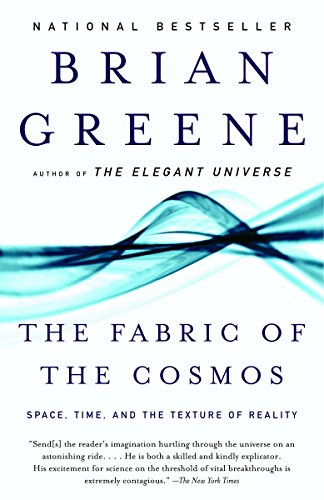
What's The Fabric of the Cosmos about?
The Fabric of the Cosmos by Brian Greene takes readers on a mind-bending journey through space, time, and the nature of reality. With engaging storytelling and clear explanations, Greene delves into cutting-edge theories in physics and cosmology, offering a new perspective on the universe and our place within it. Whether you're a science enthusiast or a casual reader, this book will expand your understanding of the fundamental laws that govern the cosmos.
Who should read The Fabric of the Cosmos?
- Readers who are curious about the nature of reality and the universe
- Those with a fascination for physics and the latest scientific discoveries
- Individuals who enjoy mind-expanding and thought-provoking books
What's The Martian about?
The Martian by Andy Weir follows astronaut Mark Watney, who is mistakenly left behind on Mars after a dust storm forces his crew to evacuate. With limited supplies and ingenuity, Watney must find a way to survive on the desolate planet while NASA works tirelessly to bring him home. A thrilling tale of resilience, problem-solving, and the power of the human spirit.
Who should read The Martian?
- Science enthusiasts and those curious about space exploration
- Readers who enjoy a mix of humor and gripping survival stories
- Individuals who appreciate detailed and realistic scientific explanations
What's The Man Who Mistook His Wife For A Hat about?
The Man Who Mistook His Wife for a Hat (1985) by Oliver Sacks is a fascinating collection of clinical tales that explores the strange and often misunderstood world of neurological disorders. Through a series of captivating case studies, Sacks delves into the lives of individuals who have experienced extraordinary perceptual and cognitive abnormalities, shedding light on the complexities of the human brain and the profound impact these conditions can have on a person's identity and perception of reality.
Who should read The Man Who Mistook His Wife For A Hat?
- Anyone interested in understanding the complexities and mysteries of the human brain
- People who enjoy compelling and thought-provoking non-fiction stories
- Individuals who want to explore the experiences of individuals with neurological disorders
What's Lab Girl about?
Lab Girl by Hope Jahren is a memoir that draws the reader into the world of science, exploring the life of a woman who has dedicated her career to studying plants. With beautiful prose and personal anecdotes, Jahren reveals the challenges and triumphs of a life in science, while also celebrating the wonders of the natural world.
Who should read Lab Girl?
- Those who are curious about the inner workings of the natural world
- People who enjoy memoirs that blend personal experiences with scientific exploration
- Readers who are inspired by stories of resilience, passion, and perseverance
What's The Making of the Atomic Bomb about?
The Making of the Atomic Bomb is a Pulitzer Prize-winning book by Richard Rhodes that delves into the scientific and political developments that led to the creation of the atomic bomb during World War II. Through extensive research and interviews, the book provides a comprehensive history of the key individuals and events that shaped this monumental moment in human history.
Who should read The Making of the Atomic Bomb?
- Curious individuals with an interest in the history of science and technology
- Readers who enjoy in-depth explorations of significant historical events
- Students and educators seeking a comprehensive understanding of the development and impact of nuclear weapons
What's The Elegant Universe about?
The Elegant Universe by Brian Greene explores the revolutionary theories of modern physics, such as string theory and the concept of multiple dimensions. Through clear explanations and engaging storytelling, Greene takes readers on a journey to understand the fundamental nature of the universe and how it may be elegantly unified through these groundbreaking ideas.
Who should read The Elegant Universe?
- Curious individuals seeking to understand the fundamental nature of the universe
- Science enthusiasts interested in cutting-edge theories like string theory and quantum mechanics
- Readers who enjoy exploring mind-bending concepts through captivating storytelling
What's Parallel Worlds about?
Parallel Worlds by Michio Kaku explores the mind-bending concept of parallel universes and the possibility of multiple realities coexisting with our own. Through a blend of scientific theory and imaginative speculation, Kaku takes readers on a fascinating journey into the mysteries of the cosmos and challenges our understanding of the universe.
Who should read Parallel Worlds?
- Anyone with a curiosity about the nature of reality and the universe
- Science enthusiasts and those interested in theoretical physics
- Readers who enjoy mind-bending concepts and exploring alternative dimensions
What's Gödel, Escher, Bach about?
Gödel, Escher, Bach is a Pulitzer Prize-winning book by Douglas Hofstadter that explores the interconnectedness of mathematics, art, and music. Through an engaging blend of analogies, puzzles, and thought experiments, Hofstadter delves into the works of mathematician Kurt Gödel, artist M.C. Escher, and composer Johann Sebastian Bach to unravel the mysteries of human cognition and the nature of self-reference.
Who should read Gödel, Escher, Bach?
- Readers who are curious about the nature of human consciousness and creativity
- Individuals interested in exploring the intersection of art, music, mathematics, and technology
- People who enjoy thought-provoking, intellectually stimulating, and mind-expanding literature
What's Pale Blue Dot about?
Pale Blue Dot (1994) by Carl Sagan is a thought-provoking exploration of our place in the universe. Through a blend of science, philosophy, and personal reflection, Sagan discusses the significance of Earth as a "pale blue dot" in the vastness of space. He challenges readers to consider the fragility of our planet and the implications for our future.
Who should read Pale Blue Dot?
- Science enthusiasts curious about our place in the universe
- Those interested in tackling big questions about life, existence, and the cosmos
- Readers who enjoy thought-provoking and intellectually stimulating non-fiction
What's Death by Black Hole about?
Death by Black Hole (2007) is a collection of essays by astrophysicist Neil deGrasse Tyson that delves into various ways the universe can destroy us. From the title essay on the deadly forces of black holes to discussions on asteroids, gamma ray bursts, and more, Tyson explores the wonders and dangers of outer space in an engaging and accessible manner.
Who should read Death by Black Hole?
- Readers with a curious mind and an interest in space and astrophysics
- Individuals who enjoy engaging and accessible science writing
- Anyone looking to expand their knowledge of the universe and the phenomena within it
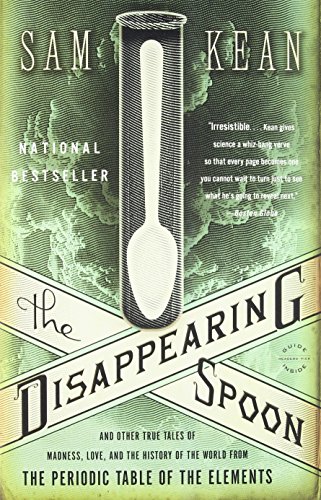
What's The Disappearing Spoon about?
The Disappearing Spoon by Sam Kean is a fascinating blend of science and history that explores the periodic table and the elements within it. Through captivating stories and anecdotes, Kean delves into the unique properties and quirks of various elements, revealing the surprising ways they have shaped human history and our understanding of the world.
Who should read The Disappearing Spoon?
- Anyone with a curious mind interested in the stories behind the elements
- Science enthusiasts looking for an engaging and entertaining read
- People who enjoy connecting historical events with scientific discoveries
What's Wonderful Life about?
Wonderful Life (1989) by Stephen Jay Gould is a thought-provoking book that challenges the traditional view of evolution. Through an examination of the Burgess Shale fossils, Gould presents the idea of contingency in evolution, arguing that if history were to replay, the outcome would be vastly different. It offers a new perspective on the complexities of life and the role of chance in shaping it.
Who should read Wonderful Life?
- Readers who are curious about the history of life on Earth
- Those with an interest in paleontology and the study of ancient organisms
- Individuals who enjoy thought-provoking discussions about science and the complexities of evolution
What's Packing for Mars about?
Packing for Mars by Mary Roach delves into the fascinating world of space travel, exploring the physical and psychological challenges that astronauts face. Filled with humor, in-depth research, and firsthand accounts, the book provides a unique insight into the complexities of preparing for a journey to Mars and the extraordinary lengths scientists go to in order to ensure the safety and success of such missions.
Who should read Packing for Mars?
- Enthusiastic amateur astronomers
- Curious individuals interested in space exploration
- Science enthusiasts looking for entertaining and informative reads
What's The Hidden Reality about?
The Hidden Reality by Brian Greene explores the concept of parallel universes and the possibility that we may be part of a much larger multiverse. Through engaging explanations and thought-provoking ideas, Greene takes readers on a journey to uncover the hidden layers of reality and the potential implications for our understanding of the universe.
Who should read The Hidden Reality?
- Enthusiastic science enthusiasts or anyone curious about the nature of reality
- Readers who enjoy mind-expanding ideas and thought-provoking concepts
- Those seeking a deeper understanding of the universe and the latest theories in physics
What's The Feynman Lectures on Physics about?
The Feynman Lectures on Physics is a classic textbook written by physicist Richard P. Feynman. Originally delivered as a series of lectures at Caltech in the 1960s, the book covers a wide range of topics in physics, from the basic principles to more advanced concepts. Known for its clear explanations and engaging style, it has become a staple for students and enthusiasts alike.
Who should read The Feynman Lectures on Physics?
- Individuals with a passion for understanding the fundamental laws of nature
- Students pursuing a degree in physics or a related scientific field
- Readers who enjoy engaging and intellectually stimulating non-fiction
What's Astrophysics for People in a Hurry about?
Astrophysics for People in a Hurry by Neil deGrasse Tyson offers a quick and engaging overview of the universe and our place within it. From the big bang to black holes, Tyson breaks down complex concepts in a way that is accessible to everyone, making it a must-read for anyone curious about the cosmos.
Who should read Astrophysics for People in a Hurry?
- Curious individuals who want to understand the fundamentals of astrophysics
- People with limited time who still want to grasp complex scientific concepts
- Readers who enjoy Neil deGrasse Tyson's engaging and accessible writing style
What's Gulp about?
Gulp is a fascinating exploration of the human digestive system, written by Mary Roach. With her signature wit and curiosity, Roach delves into the strange and surprising world of food and digestion. From the stomach-churning experiments to quirky historical anecdotes, this book will leave you both entertained and informed about the inner workings of your body.
Who should read Gulp?
- Readers with a curious mind and a love for quirky, offbeat science
- Individuals interested in the weird and wonderful world of the human digestive system
- Those who enjoy humorous and thought-provoking explorations of everyday topics
What's The Ancestor's Tale about?
The Ancestor's Tale by Richard Dawkins is a captivating journey through evolutionary history. Drawing inspiration from Geoffrey Chaucer's medieval classic, it takes us on a pilgrimage with our ancestors, meeting various species along the way. Dawkins expertly weaves together science, storytelling, and a deep reverence for the interconnectedness of life on Earth, making this book a must-read for anyone curious about our evolutionary past.
Who should read The Ancestor's Tale?
- Science enthusiasts curious about the history of life on Earth
- Readers with a deep interest in evolutionary biology and genetics
- Those who appreciate thought-provoking and intellectually stimulating literature
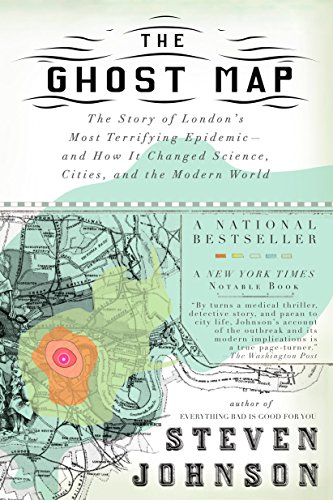
What's The Ghost Map about?
The Ghost Map by Steven Johnson examines the 1854 cholera outbreak in London and the investigation that led to a groundbreaking discovery in the field of public health. With meticulous research and compelling storytelling, Johnson uncovers the connection between the spread of the disease and the city's water source, ultimately changing the way we understand and combat infectious diseases. A must-read for anyone interested in the intersection of science, history, and urban development.
Who should read The Ghost Map?
- Readers who are interested in the history of infectious diseases
- Those who enjoy narrative non-fiction and stories of scientific discovery
- Individuals who want to understand the impact of urbanization on public health
What's Chimp Paradox about?
The Chimp Paradox explores the inner workings of the human mind and introduces the concept of the "chimp brain" - the emotional, impulsive part of our brain that often leads us to make irrational decisions. Dr. Steve Peters offers practical strategies to manage our chimp brain and regain control over our thoughts and behaviors, ultimately leading to a happier and more fulfilling life. This book provides valuable insights into understanding and mastering our own minds.
Who should read Chimp Paradox?
- Individuals seeking to understand and manage their own emotions and behavior
- People who want to improve their mental resilience and decision-making skills
- Anyone interested in the power of the mind and psychology
What's Culturally Responsive Teaching and The Brain about?
This book explores the intersection of neuroscience and culturally responsive teaching, offering practical strategies for educators to create an inclusive and engaging learning environment for all students. Drawing on research and real-life examples, Zaretta Lynn Hammond provides insights into how students' cultural backgrounds and experiences can impact their learning, and offers tools to help teachers leverage this knowledge to support their students' academic success. It is a valuable resource for educators looking to enhance their teaching practices and promote equity in the classroom.
Who should read Culturally Responsive Teaching and The Brain?
- Educators who want to create a more inclusive and supportive classroom environment
- Individuals interested in understanding how cultural backgrounds impact learning and behavior
- Teachers looking for practical strategies to engage students from diverse backgrounds
What's Sybil about?
Sybil is a gripping true story about a woman with multiple personality disorder. Written by Flora Rheta Schreiber, the book delves into the life of Sybil Dorsett and her 16 distinct personalities, as well as the therapy sessions with her psychiatrist, Dr. Cornelia B. Wilbur. It explores the devastating effects of childhood trauma and the resilience of the human mind. A haunting and thought-provoking read.
Who should read Sybil?
- Readers who are fascinated by psychology and mental health
- Individuals interested in learning about dissociative identity disorder
- Those who enjoy non-fiction books about real-life cases and personal journeys
What's The Deepest Well about?
In "The Deepest Well," Nadine Burke Harris explores the long-term effects of childhood adversity on health and well-being. Drawing on her own research and experiences as a pediatrician, she reveals the profound impact that early trauma can have on the developing brain and body. Harris also offers insights into how we can better support and protect children from the harmful effects of toxic stress. This book sheds light on an important public health issue and offers hope for a healthier future.
Who should read The Deepest Well?
- Individuals seeking to understand the long-term impact of childhood adversity on health and well-being
- Medical professionals interested in addressing the root causes of chronic illnesses
- Parents and caregivers looking for ways to protect and support their children's health and development
What's The Poisoner's Handbook about?
The Poisoner's Handbook by Deborah Blum is a gripping account of the birth of forensic science in the early 20th century. Focusing on the work of two pioneering scientists, it explores how they fought against corruption and ignorance to develop methods for detecting poisons and solving mysterious deaths. Blending history, true crime, and scientific discovery, this book offers a fascinating glimpse into a dark and intriguing period in American history.
Who should read The Poisoner's Handbook?
Readers who enjoy true crime stories and historical mysteries
Those with an interest in the history of forensic science and toxicology
Individuals who appreciate well-researched and engaging non-fiction narratives
What's Why We Sleep about?
Why We Sleep by Matthew Walker explores the science behind sleep and its crucial role in our physical and mental well-being. From the impact of sleep on our immune system to its influence on our creativity and emotional stability, Walker delves into the importance of prioritizing quality rest for overall health. This book offers eye-opening insights and practical tips for improving our sleep habits.
Who should read Why We Sleep?
Anyone who wants to understand the importance of sleep for overall health and well-being
People who struggle with insomnia or other sleep disorders and are looking for solutions
Individuals interested in the latest scientific research on sleep and its impact on various aspects of life
What's Women in Science about?
Women in Science by Rachel Ignotofsky is an inspiring and informative book that celebrates the achievements of 50 remarkable women who have made significant contributions to the field of science. Through beautiful illustrations and engaging storytelling, Ignotofsky highlights the diverse accomplishments of these women and encourages young girls to pursue their passion for science.
Who should read Women in Science?
- Women who are interested in pursuing or advancing their careers in science
- Young girls who are curious about the contributions of women in STEM fields
- Anyone looking to be inspired by the stories of female scientists who overcame challenges and made significant discoveries








Related topics
Frequently asked questions about Science
What's the best Science book to read?
While choosing just one book about a topic is always tough, many people regard Hyperspace as the ultimate read on Science.
What are the top 10 Science books?
Blinkist curators have picked the following:
- Hyperspace by Michio Kaku
- Discourse on Method by René Descartes
- Why Evolution Is True by Jerry A. Coyne
- The Origin of Species by Charles Darwin
- Six Easy Pieces by Richard P. Feynman
- Dragons of Eden by Carl Sagan
- The Blind Watchmaker by Richard Dawkins
- The Lives of a Cell by Lewis Thomas
- The Fabric of the Cosmos by Brian Greene
- The Martian by Andy Weir
Who are the top Science book authors?
When it comes to Science, these are the authors who stand out as some of the most influential:
- Michio Kaku
- René Descartes
- Jerry A. Coyne
- Charles Darwin
- Richard P. Feynman