Understanding the intricacies of macroeconomics can be challenging, but it's essential for anyone interested in how our global economy functions. Our curated book list offers a comprehensive exploration of key economic concepts, theories, and policies.
Discover the forces that shape economies, and gain insights from leading economists that can help you navigate the complex world of macroeconomics. Whether you're a student, professional, or simply curious about economics, this collection will expand your understanding.
The best 31 Macroeconomics books
- 1

Manias, Panics, and Crashes
Robert Z. Aliber, Charles P. Kindleberger, Robert N. McCauley
A History of Financial Crises
4.2 (50 ratings)
Listen to the Intro02:13What's Manias, Panics, and Crashes about?
Manias, Panics, and Crashes (1978; 8th edition 2023) analyzes financial crises spanning three centuries to identify recurring patterns in market booms and busts. It demonstrates how speculation, credit expansion, and euphoria have repeatedly led to panic and collapse across different eras and economic systems. Drawing on historical evidence from the South Sea Bubble to the 2008 financial crisis and beyond, it provides a comprehensive framework for understanding why financial instability is inevitable in credit-based economies.
Who should read Manias, Panics, and Crashes?
- Finance professionals managing risk and investment decisions
- Regulators and policymakers preventing future financial crises
- Students and researchers studying financial market dynamics
What's People, Power, and Profits about?
People, Power, and Profits by Joseph E. Stiglitz delves into the complex relationship between economic inequality, political power, and the erosion of democracy. Stiglitz offers insightful analysis and proposes solutions to address these pressing issues, making a compelling case for a fairer and more inclusive society.
Who should read People, Power, and Profits?
- Individuals interested in understanding the intersection of economics and politics
- Readers who want to explore the impact of inequality on society and the economy
- Those seeking alternative economic models that prioritize people over profits
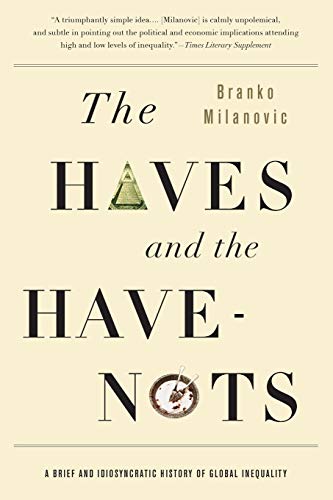
What's Global Inequality about?
Global Inequality by Branko Milanovic offers a comprehensive analysis of income and wealth disparities around the world. Through extensive research and compelling data, Milanovic explores the root causes of global inequality and its far-reaching implications. This thought-provoking book challenges our understanding of economic development and offers insights into potential solutions for a more equitable future.
Who should read Global Inequality?
- Readers interested in understanding the root causes of global inequality
- Policy makers and economists seeking insights into addressing income disparities
- Individuals who want to expand their knowledge of social and economic issues
What's In Light of Yesterday about?
In Light of Yesterday by Brady Raanes delves into the historical events and decisions that have shaped our present-day economy. Through a captivating narrative, the book explores key moments such as the Great Depression, the Bretton Woods Agreement, and the 2008 financial crisis, offering valuable insights into how these events continue to influence our economic landscape. Raanes challenges readers to reflect on the past in order to better understand and navigate the complexities of our economic future.
Who should read In Light of Yesterday?
- Readers interested in understanding the historical context of today's economic challenges and opportunities
- Those seeking a clear and engaging explanation of complex economic concepts
- Individuals looking for practical insights into making informed financial decisions
What's Principles of Macroeconomics about?
Principles of Macroeconomics by N. Gregory Mankiw provides a comprehensive introduction to the key concepts and theories of macroeconomics. It covers topics such as economic growth, inflation, unemployment, and monetary and fiscal policy, offering real-world examples and applications to help readers understand the principles and their relevance in today's global economy.
Who should read Principles of Macroeconomics?
- Individuals interested in understanding the broader impact of economic decisions
- Students studying economics or related fields
- Professionals looking to expand their knowledge of macroeconomic principles
What's The Case Against Socialism about?
The Case Against Socialism by Rand Paul provides a comprehensive critique of socialist ideology and its potential impact on society. Drawing on historical examples and economic analysis, Paul argues that socialism undermines individual freedom, stifles innovation, and leads to economic stagnation. He also offers alternative solutions to address the issues that proponents of socialism seek to tackle.
Who should read The Case Against Socialism?
- Economically curious individuals who want to understand the flaws of socialist systems
- Political enthusiasts seeking a well-researched critique of socialist ideology
- Readers who are open to challenging their beliefs and exploring alternative perspectives
What's The Sovereign Individual about?
'The Sovereign Individual' by James Dale Davidson and Lord William Rees-Mogg explores how the digital revolution and the rise of the internet are empowering individuals to become more financially independent and politically sovereign. It delves into the potential impact of these changes on society, economics, and governance, offering thought-provoking insights into the future of our world.
Who should read The Sovereign Individual?
- Individuals seeking to understand how technology and globalization are shaping the future
- Entrepreneurs and investors looking to capitalize on emerging opportunities
- Those interested in personal sovereignty and how to protect their assets in a changing world
What's Charter Schools and Their Enemies about?
Charter Schools and Their Enemies by Thomas Sowell challenges the misconceptions and criticisms surrounding charter schools. Drawing on data and real-life examples, Sowell argues that these schools provide valuable options for students, especially those in low-income neighborhoods, and should be supported rather than hindered by political and educational opponents.
Who should read Charter Schools and Their Enemies?
- Education policymakers and lawmakers interested in charter schools and their impact
- Parents and teachers looking to understand the debate surrounding charter schools
- Those seeking evidence-based arguments for or against charter schools
What's The Economic Consequences of the Peace about?
The Economic Consequences of the Peace (1919) by John Maynard Keynes analyzes the treaties and agreements made in the aftermath of World War I. Through a detailed examination of economic data and historical events, Keynes argues that the harsh reparations and economic policies imposed on Germany would lead to further conflict and economic instability in Europe. It remains a significant work in understanding the impact of political decisions on global economics.
Who should read The Economic Consequences of the Peace?
- Anyone interested in understanding the economic aftermath of World War I
- Readers who want to learn about the impact of international politics on global economics
- Those who enjoy historical and economic analysis from a renowned economist
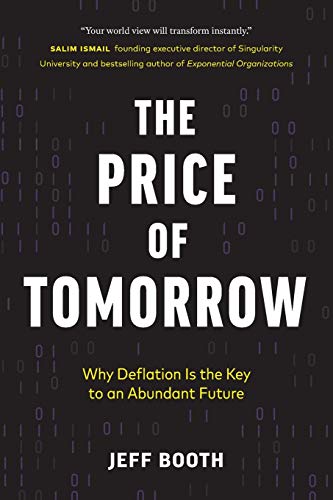
What's The Price of Tomorrow about?
The Price of Tomorrow by Jeff Booth explores the impact of technological advancements on our economy and society. It delves into the concept of deflation and how it challenges our current economic systems. The book offers thought-provoking insights and proposes potential solutions for navigating the future in a world where technology continues to rapidly change the way we live and work.
Who should read The Price of Tomorrow?
- Individuals curious about the impact of technology on the economy
- Entrepreneurs and business leaders seeking insights into future market trends
- Investors looking to understand the potential risks and opportunities in a rapidly changing world
What's Economics 101 about?
Economics 101 by Alfred Mill provides a comprehensive introduction to the fundamental concepts of economics. Through clear explanations and real-world examples, the book covers topics such as supply and demand, market structures, and macroeconomic principles. It is a great resource for anyone looking to understand the basics of economics.
Who should read Economics 101?
- Undergraduate students studying economics
- Professionals seeking to understand economic principles
- Individuals interested in personal finance and economic trends
What's The Return of Depression Economics and the Crisis of 2008 about?
The Return of Depression Economics and the Crisis of 2008 by Paul Krugman explores the causes and consequences of the 2008 financial crisis. Krugman delves into the underlying economic theories and policies that led to the crisis, offering insights into how similar events can be prevented in the future. It is a thought-provoking analysis that sheds light on one of the most significant economic events of our time.
Who should read The Return of Depression Economics and the Crisis of 2008?
- Individuals seeking to understand the causes and consequences of economic downturns
- Students or professionals in the field of economics or finance
- Readers interested in exploring potential solutions to mitigate the impact of financial crises
What's The Undercover Economist Strikes Back about?
The Undercover Economist Strikes Back by Tim Harford is a thought-provoking book that delves into the complexities of modern economics. Through real-life examples and engaging storytelling, Harford uncovers the hidden principles behind everyday economic phenomena. From the price of coffee to the global financial crisis, this book offers a fresh perspective on how economics shapes our world.
Who should read The Undercover Economist Strikes Back?
- Those curious about the hidden economic forces that shape our lives
- Readers interested in understanding complex macroeconomic concepts in an accessible way
- Individuals who want to make more informed decisions in their personal and professional finances
What's Introducing Economics about?
Introducing Economics by David Orrell provides a clear and engaging overview of key economic concepts and theories. Through real-world examples and easy-to-understand explanations, the book demystifies complex economic ideas and offers a thought-provoking analysis of the global economy.
Who should read Introducing Economics?
- Anyone who wants to understand the principles of economics without complex jargon
- Students or individuals with a curious mind about how the economy works
- Readers who prefer a visually engaging and easy-to-digest format for learning
What's The Road to Ruin about?
The Road to Ruin by James Rickards delves into the vulnerabilities of the global financial system and the potential for a major financial crisis. Through in-depth analysis and real-world examples, Rickards offers insights into the risks and consequences of our current economic policies, and proposes strategies for individuals and governments to protect themselves from impending disaster.
Who should read The Road to Ruin?
- Individuals seeking a deeper understanding of global financial risks
- Investors looking to protect their wealth in uncertain times
- Policy makers and professionals in the financial industry
What's The Velvet Rope Economy about?
'The Velvet Rope Economy' by Nelson D. Schwartz exposes how the wealthy and powerful have created a system that gives them exclusive access to the best opportunities and resources, leaving the rest of society to struggle. Through in-depth analysis and real-life examples, Schwartz reveals the harmful effects of this unequal economy and proposes solutions to level the playing field.
Who should read The Velvet Rope Economy?
- Individuals curious about the growing economic divide
- Readers interested in the impact of inequality on society
- Those looking for insights into the privileges and challenges associated with wealth
What's The Curse of Cash about?
The Curse of Cash by Kenneth S. Rogoff delves into the hidden costs and negative consequences of a cash-dominated society. It challenges the belief that cash is essential for privacy and security, and argues that moving towards a cashless economy could bring about significant benefits, including reducing crime and tax evasion. A thought-provoking read that offers a fresh perspective on the role of cash in the modern world.
Who should read The Curse of Cash?
- Individuals seeking to understand the impact of cash on the economy
- Policy makers and economists looking for alternative solutions to monetary issues
- Readers interested in exploring the history and future of currency
What's A Concise Guide to Macroeconomics about?
A Concise Guide to Macroeconomics by David A. Moss provides a clear and accessible introduction to the key concepts of macroeconomics. It offers a comprehensive overview of topics such as GDP, inflation, unemployment, and monetary and fiscal policy, making it an essential read for anyone looking to understand the broader economic forces at play in the world.
Who should read A Concise Guide to Macroeconomics?
- Individuals looking to understand the basics of macroeconomics
- Business professionals who want to stay informed about the global economy
- Students studying economics or related fields
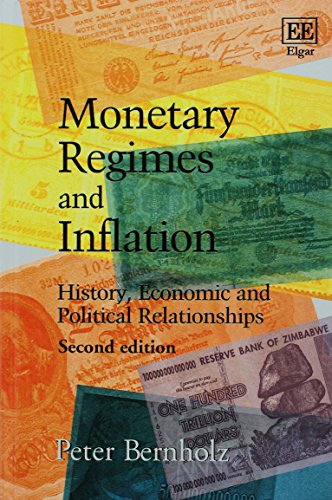
What's Monetary Regimes and Inflation about?
Monetary Regimes and Inflation by Peter Bernholz provides a comprehensive analysis of the relationship between different monetary systems and inflation. Bernholz examines historical examples and theoretical frameworks to uncover the factors that contribute to inflation and hyperinflation. This book offers valuable insights for economists, policymakers, and anyone interested in understanding the complexities of monetary policy.
Who should read Monetary Regimes and Inflation?
- Economists and policymakers seeking to understand the causes and consequences of inflation
- Students and academics studying monetary theory and historical monetary regimes
- Individuals interested in the relationship between government policies and inflation
What's Advanced Macroeconomics about?
Advanced Macroeconomics by David Romer provides a comprehensive and in-depth analysis of macroeconomic theory. It delves into topics such as economic growth, business cycles, and monetary policy, offering advanced insights and models to help readers understand and analyze real-world macroeconomic issues. This book is a valuable resource for students and researchers looking to deepen their understanding of macroeconomics.
Who should read Advanced Macroeconomics?
- Graduate students pursuing advanced studies in macroeconomics
- Professional economists seeking a deeper understanding of macroeconomic theory and empirical analysis
- Policy makers and analysts interested in applying sophisticated economic models to real-world problems
What's Chavs about?
Chavs by Owen Jones delves into the stigmatization of the working class in Britain. Through in-depth analysis and personal interviews, the book challenges negative stereotypes and explores the social and economic factors that have contributed to the marginalization of this group. It offers a thought-provoking critique of class prejudice and its impact on society.
Who should read Chavs?
- Readers who are interested in understanding and addressing social inequality
- Individuals who want to challenge stereotypes and misconceptions about the working class
- Activists and advocates for social justice and economic equality
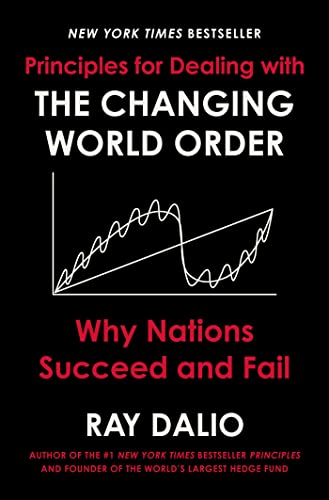
What's The Changing World Order about?
The Changing World Order by Ray Dalio examines the historical cycles and forces that shape global economies and political systems. With a focus on the rise and fall of empires, Dalio provides insights into the current shifting world order and offers predictions for the future. A thought-provoking analysis for anyone interested in understanding the dynamics of international relations.
Who should read The Changing World Order?
- Individuals seeking to understand the current global economic and political landscape
- Business leaders looking to anticipate and adapt to changes in the world order
- Students and academics studying international relations, economics, or geopolitics
What's Debunking Economics - Revised and Expanded Edition about?
Debunking Economics - Revised and Expanded Edition by Steve Keen challenges traditional economic theories and offers a critical analysis of the flaws in mainstream economics. Through clear and accessible language, the book delves into topics such as financial instability, income distribution, and the role of money in the economy, providing a thought-provoking alternative perspective on how the economy really works.
Who should read Debunking Economics - Revised and Expanded Edition?
- Students and academics interested in challenging traditional economic theories
- Individuals seeking a critical analysis of mainstream economic thinking
- Readers who want to gain a deeper understanding of the flaws and limitations of neoclassical economics
What's Arguing with Zombies about?
Arguing with Zombies by Paul Krugman is a thought-provoking book that takes on the myths and misconceptions surrounding economics and public policy. Through a series of essays, Krugman challenges the “zombie ideas” that refuse to die despite being debunked by evidence and logic. With his signature wit and clarity, he offers a compelling defense of progressive economic thinking and provides valuable insights into the pressing issues of our time.
Who should read Arguing with Zombies?
- Readers who are interested in economics and economic policy
- Individuals who want to better understand and engage in political debates
- Those looking to challenge and critically analyze commonly held economic beliefs and myths
What's Broke, USA about?
Broke, USA by Gary Rivlin delves into the world of predatory lending and the financial industry that profits off the poor. Through in-depth research and compelling storytelling, Rivlin exposes the harsh realities faced by low-income Americans and the systemic issues that perpetuate their financial struggles. This eye-opening book sheds light on a pressing social issue and calls for change.
Who should read Broke, USA?
- Anyone interested in understanding the complex and often predatory world of financial services for low-income individuals
- Readers looking to explore the impact of economic inequality on communities and individuals
What's Discrimination and Disparities about?
Discrimination and Disparities by Thomas Sowell challenges common misconceptions about economic and social disparities. Through rigorous analysis and compelling evidence, Sowell explores how factors such as culture, geography, and human capital play a significant role in shaping unequal outcomes. This thought-provoking book offers a fresh perspective on a complex and often misunderstood issue.
Who should read Discrimination and Disparities?
- Individuals who want to understand the complex factors behind economic and social disparities
- Readers who are open to challenging their preconceived notions and expanding their perspectives
- Professionals in fields such as economics, sociology, and public policy
What's Global Economic History about?
Global Economic History by Robert C. Allen provides a comprehensive overview of the economic development of different regions around the world. From the agricultural revolution to the modern global economy, Allen explores the key factors and events that have shaped our economic history. This book offers valuable insights into the challenges and opportunities that have influenced the wealth and poverty of nations.
Who should read Global Economic History?
- Students or academics specializing in economic history
- Researchers seeking to understand the factors shaping global economic development
- Policy makers and analysts interested in learning from historical economic patterns
What's Globalization and its Discontents about?
Globalization and Its Discontents by Joseph E. Stiglitz delves into the negative impacts of globalization on developing countries and the global economy. Stiglitz, a Nobel Prize-winning economist, offers a critical analysis of the policies and institutions that have contributed to widening inequality and economic instability. He also presents alternative approaches to globalization that prioritize fairness and sustainability.
Who should read Globalization and its Discontents?
- Individuals seeking to understand the complexities and drawbacks of globalization
- Readers interested in the impact of economic policies on social inequalities
- Professionals in the fields of economics, international relations, and social justice
What's Filthy Lucre about?
Filthy Lucre by Joseph Heath delves into the world of economics and challenges common misconceptions about money and markets. Through a series of thought-provoking essays, Heath explores topics such as inequality, the role of government in the economy, and the impact of consumer choices. With wit and clarity, the book offers a fresh perspective on economic issues and invites readers to question their own beliefs.
Who should read Filthy Lucre?
Individuals interested in challenging their preconceived notions about economics and capitalism
Readers who want to understand and critique common economic fallacies
Those who seek a thought-provoking and accessible analysis of the intersection between morality and money
What's Social Choice and Individual Values about?
Social Choice and Individual Values by Kenneth J. Arrow explores the challenges of collective decision-making and the implications for democratic societies. Arrow's groundbreaking work delves into the complexities of ranking preferences and the impossibility of creating a perfect voting system. This influential book continues to shape discussions on political and economic decision-making.
Who should read Social Choice and Individual Values?
Students and scholars of economics, political science, and social choice theory
Policy makers and government officials seeking to understand the complexities of decision-making
Anyone interested in the philosophical and mathematical foundations of collective decision making
What's Other People's Money about?
Other People's Money by John Kay explores the role of the financial sector in modern economies and the impact it has on society. Kay delves into the world of banking, investment, and speculation, offering a critical analysis of how the pursuit of profit often comes at the expense of the wider community. Through real-life examples and thought-provoking insights, the book challenges our understanding of the financial industry and calls for a more responsible and sustainable approach to managing other people's money.
Who should read Other People's Money?
Individuals seeking to understand the flaws and risks in the financial system
Investors looking to make more informed decisions about their money
Regulators and policymakers interested in reforming the finance industry









Related topics
Frequently asked questions about Macroeconomics
What's the best Macroeconomics book to read?
While choosing just one book about a topic is always tough, many people regard Manias, Panics, and Crashes as the ultimate read on Macroeconomics.
What are the top 10 Macroeconomics books?
Blinkist curators have picked the following:
- Manias, Panics, and Crashes by Robert Z. Aliber, Charles P. Kindleberger, Robert N. McCauley
- People, Power, and Profits by Joseph E. Stiglitz
- Global Inequality by Branko Milanovic
- In Light of Yesterday by Brady Raanes
- Principles of Macroeconomics by N. Gregory Mankiw
- The Case Against Socialism by Rand Paul
- The Sovereign Individual by James Dale Davidson, William Rees-Mogg
- Charter Schools and Their Enemies by Thomas Sowell
- The Economic Consequences of the Peace by John Maynard Keynes
- The Price of Tomorrow by Jeff Booth
Who are the top Macroeconomics book authors?
When it comes to Macroeconomics, these are the authors who stand out as some of the most influential:
- Robert Z. Aliber, Charles P. Kindleberger, Robert N. McCauley
- Joseph E. Stiglitz
- Branko Milanovic
- Brady Raanes
- N. Gregory Mankiw