Better than a summary
They Called Us Enemy summary
George Takei
No credit card required · Cancel anytime
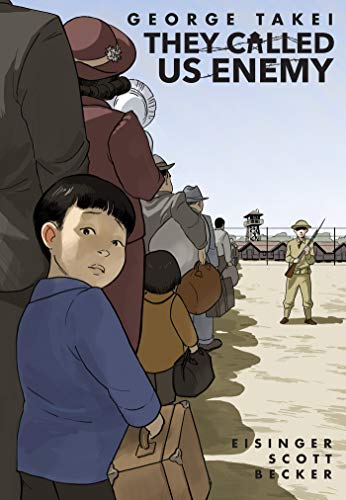
They Called Us Enemy by George Takei is a memoir that shares his experience as a child living in Japanese American internment camps during World War II. It sheds light on the injustices faced and serves as a powerful reminder of the importance of standing up against discrimination.
Topics
They Called Us Enemy
Summary of key ideas
Introduction to a Hostile Era
In They Called Us Enemy, George Takei narrates the unfathomable experiences of his childhood spent in Japanese-American internment camps during World War II. The narrative begins with Takei being uprooted from his home in Los Angeles, at the age of five, along with his family, following the bombing of Pearl Harbor. The government's fear and prejudice against Japanese-Americans is palpable in the enforced Executive Order 9066, leading to their mass incarceration.
Takei vividly recalls the prejudice, loss, and indignity faced by his family, along with tens of thousands of Japanese-Americans, stripped of their basic rights and property. The story flows into the harsh train journey to their assigned camp, Rohwer War Relocation Center in Arkansas, a desolate place surrounded by barbed wire, guard towers, and armed soldiers. He provides a chilling portrayal of the lowly living conditions, the lack of privacy, and the hardship endured by the internees. Matters worsen during the loyalty questionnaire episode leading to family separations and social divisions.
Turmoil Beyond the Barricades
The life beyond the internment camps is no less challenging. The relocated internees face stark prejudice and discrimination in society. The stinging encounters make Takei's parents decide to return to the barbed fences as the lesser of two evils. The families face a grueling existence in the camps where resources are sparse, communal tensions are on the rise, and young men are being coerced to enlist in the US Army.
Takei painfully recalls the burgeoning defiance in his father, despite the oppressive circumstances, persevering to retain a semblance of dignity and normalcy for the family. There are moving episodes where his father diverts young Takei's attention from the harshness of their predicament, by enchanting him with the wonders of human body anatomy, or by producing a makeshift bathtub to give him a luxurious soak.
Resilience amid Adversity
They Called Us Enemy gracefully transitions into Takei's post-camp years, the recovery, and the rebirth of his life and career, becoming the much-adored Sulu of the Star Trek series. He relays the silent endurance and determination of the internees, their quest to reclaim their lives, integrate with society, and their relentless pursuit of justice, including legal battles to win reparations for the wronged Japanese-Americans.
Takei intersperses the narrative with anecdotes from his later life as a successful actor and civil rights activist. He reflects on the enduring influence of his parents, particularly his father, who instilled in him the virtue of democracy and the value of resilience amid adversity. His testament of braving hostility to emerge as a beacon of hope and advocacy for others resonates throughout the book.
From Victimhood to Advocacy
The narration capability of Takei reaches its crescendo as he articulates his transformation from a victim of racial prejudice to an advocate for equality and justice. He uses his influential position to bring the unheard and forgotten story of the internment camps to the wider audience, admonishing such grave historic infringements of the civil liberties of American citizens.
In conclusion, They Called Us Enemy is not merely a memoir of a dark chapter in American history but a powerful testament of resilience, hope, and the enduring spirit of democracy. The book prompts us to ponder on the lessons of the past, to defend the values of justice and freedom, and to challenge prejudice and discrimination in all forms.
More knowledge in less time

Read or listen
Get the key ideas from nonfiction bestsellers in minutes, not hours.

Find your next read
Get book lists curated by experts and personalized recommendations.

Shortcasts
We've teamed up with podcast creators to bring you key insights from podcasts.
What is They Called Us Enemy about?
"They Called Us Enemy" is a graphic memoir by George Takei that recounts his family's experience of being imprisoned in American internment camps during World War II. Takei reflects on the injustice and discrimination they faced, while also highlighting the resilience and strength of those who were unjustly detained. It is a powerful and thought-provoking account of a dark chapter in American history.
They Called Us Enemy Review
They Called Us Enemy (2019) by George Takei is a powerful memoir that sheds light on a dark chapter in American history. Here's why this book is worth reading:
- With intimate personal stories and vivid illustrations, it brings to life the experiences of Japanese Americans during World War II.
- The book explores the themes of identity, injustice, and resilience, offering a thought-provoking examination of social and political issues.
- Through Takei's candid storytelling and heartfelt reflections, it humanizes the victims of discrimination and serves as a timely reminder of the importance of protecting civil liberties.
Who should read They Called Us Enemy?
- Readers who are interested in personal accounts of historical events
- Those who want to gain a better understanding of the Japanese American internment during World War II
- People who appreciate graphic novels as a medium for storytelling
Categories with They Called Us Enemy
Book summaries like They Called Us Enemy
 The Devil in the White CityErik LarsonMurder, Magic and Madness at the Fair that Changed America3.8
 Man’s Search for MeaningViktor FranklThe harrowing experiences of the author in a concentration camp4.3
 Losing My VirginityRichard BransonHow I Survived, Had Fun, and Made a Fortune Doing Business My Way4.4
 The Immortal Life of Henrietta Lacks Rebecca SklootHow one woman's cells changed scientific thinking forever.4.3
 I Am MalalaMalala YousafzaiThe Girl Who Stood Up for Education and Was Shot by the Taliban 4.5
 Gang Leader For A DaySudhir VenkateshA Rogue Sociologist Crosses The Line3.8
 Do No Harm Henry MarshStories of Life, Death, and Brain Surgery4.2
 The Man Without A FaceMasha GessenThe Unlikely Rise of Vladimir Putin4.2
 Long Walk to FreedomNelson MandelaThe Autobiography of Nelson Mandela4.5
 Moore’s LawArnold Thackray, David Brock and Rachel JonesThe Life of Gordon Moore, Silicon Valley’s Quiet Revolutionary4.3
 Elon MuskAshlee VanceTesla, SpaceX, and the Quest for a Fantastic Future4.3
 The Art of AskingAmanda PalmerHow I Learned to Stop Worrying and Let People Help3.3
 Guantánamo DiaryMohamedou Ould Slahi, edited by Larry SiemsGuantanamo from the Inside4.6
 One Of UsAsne Seierstad, Sarah DeathThe Story of Anders Breivik and the Massacre in Norway 4.5
 The Intel TrinityMichael S. MaloneHow Robert Noyce, Gordon Moore and Andy Grove Built the World’s Most Important Company4.2
 A Life DecodedJ. Craig VenterMy Genome: My Life4.1
 Nothing to Envy Barbara DemickOrdinary Lives in North Korea4.3
 Between the World and MeTa-Nehisi CoatesThe 2015 National Book Award Winner is a deep look at being black in America today4.3
 Strength in What RemainsTracy KidderA Journey of Remembrance and Forgiveness4.0
 The Invention of NatureAndrea WulfAlexander von Humboldt's New World4.6
 And the Good News Is …Dana PerinoLessons and Advice from the Bright Side4.0
 On the Move Oliver SacksA Life4.5
 A Long Way GoneIshmael BeahMemoirs of a Boy Soldier4.4
 Charlie MungerTren GriffinThe Complete Investor4.2
 The House of RothschildNiall FergusonMoney’s Prophets 1798–18484.2
 Sam Walton: Made in AmericaSam Walton with John HueyMy Story4.4
 Lawrence in ArabiaScott AndersonWar, Deceit, Imperial Folly and the Making of the Modern Middle East4.7
 The Run of His LifeJeffrey ToobinThe People v. O.J. Simpson4.5
 DogfightFred VogelsteinHow Apple and Google Went to War and Started a Revolution4.4
 Hatching TwitterNick BiltonA True Story of Money, Power, Friendship, and Betrayal4.5
People ❤️ Blinkist
Become a member of our community of 44 million people

96k ratings

73k ratings
Sven O.
It's highly addictive to get core insights on personally relevant topics without repetition or triviality. Added to that the apps ability to suggest kindred interests opens up a foundation of knowledge.
Thi Viet Quynh N.
Great app. Good selection of book summaries you can read or listen to while commuting. Instead of scrolling through your social media news feed, this is a much better way to spend your spare time in my opinion.
Laura H.
When I saw Blinkist had produced an infographic style Blink for the Rich Dad, Poor Dad book, it was a good reminder of the concepts I loved.
People also liked these summaries
 The MonopolistsMary PilonObsession, Fury and the Scandal Behind the World's Favorite Board Game4.0
 SapiensYuval Noah HarariA Brief History of Humankind4.3
 Doubt: A HistoryJennifer Michael HechtThe Great Doubters and Their Legacy of Innovation from Socrates and Jesus to Thomas Jefferson and Emily Dickinson3.6
 The Better Angels of Our Nature Steven PinkerWhy Violence has Declined4.5
 Bourbon EmpireReid MitenbulerThe Past and Future of America's Whiskey4.4
 The Story of SushiTrevor CorsonAn Unlikely Saga of Raw Fish and Rice4.0
 Genghis Khan and the Making of the Modern WorldJack WeatherfordThe fascinating story behind the Mongol Empire4.3
 Black FlagsJoby WarrickThe Rise of ISIS4.2
 Ta-Ra-Ra-Boom-De-AySimon Napier-BellThe (Dodgy) Business of Popular Music4.0
 How To Be Like WaltPat WilliamsCapturing the Disney Magic Every Day of Your Life4.1
 The Geography of BlissEric WeinerOne Grump’s Search for the Happiest Places in the World4.2
 A People’s History of the United StatesHoward ZinnA brilliant and moving history of the American people3.9
 CannibalismBill SchuttA Perfectly Natural History 3.8
 Women and PowerMary BeardA Manifesto4.1
 21 Lessons for the 21st CenturyYuval Noah HarariTeaser: Future proof yourself against the 21st Century4.4
 A History of GodKaren ArmstrongThe 4,000-Year Quest of Judaism, Christianity and Islam4.2
 CivilizationsMary BeardHow Do We Look / The Eye of Faith4.1
 The Spy and the TraitorBen MacintyreThe Greatest Espionage Story of the Cold War4.6
 The Origins of TotalitarianismHannah ArendtHannah Arendt's landmark work about Europe's anti-Semitic and imperialist roots4.6
 DreamlandSam QuinonesThe True Tale of America’s Opiate Epidemic4.5
 The Happiness FantasyCarl CederströmTeaser: A history of happiness3.8
 Why The West Rules – For NowIan MorrisThe Patterns of History, and What They Reveal About the Future4.3
 The New Silk RoadsPeter FrankopanThe Present and Future of the World3.9
 The Golden ThreadKassia St ClairHow Fabric Changed History4.1
 The Square and the TowerNiall FergusonNetworks and Power, from the Freemasons to Facebook4.4
 IslamKaren ArmstrongA Short History4.2
 Revolutionary IranMichael AxworthyA History of the Islamic Republic4.0
 China in Ten WordsYu HuaTeaser: The ten key concePDs underlying China’s transformation4.1
 The Congo from Leopold to KabilaGeorges Nzongola-NtalajaA People's History4.3
Trusted by the world's leading brands

Powerful ideas from top nonfiction
Try Blinkist to get the key ideas from 7,500+ bestselling nonfiction titles and podcasts. Listen or read in just 15 minutes.
Get started
Blink 3 of 8 - The 5 AM Club
by Robin Sharma
They Called Us Enemy FAQs
What is the main message of They Called Us Enemy?
The main message of They Called Us Enemy is the importance of standing up against injustice and fighting for civil rights.
How long does it take to read They Called Us Enemy?
The reading time for They Called Us Enemy varies, but it typically takes several hours. However, the Blinkist summary can be read in just 15 minutes.
Is They Called Us Enemy a good book? Is it worth reading?
They Called Us Enemy is a must-read, offering a powerful and moving account of the Japanese American internment during World War II.
Who is the author of They Called Us Enemy?
The author of They Called Us Enemy is George Takei.
How many chapters are in They Called Us Enemy?
The book They Called Us Enemy is divided into multiple chapters. Here is a list of the chapters:
- Chapter 1
- Chapter 2
- Chapter 3
- Chapter 4
- Chapter 5
- Chapter 6
- Chapter 7
- Chapter 8
- Chapter 9
- Chapter 10
How many pages are in They Called Us Enemy?
They Called Us Enemy contains 208 pages.
When was They Called Us Enemy published?
They Called Us Enemy was published in 2019.