
Better than a summary
Essays and Lectures summary
No credit card required · Cancel anytime
Essays and Lectures by Ralph Waldo Emerson is a collection of thought-provoking essays and speeches that explore the nature of self-reliance, individualism, and the power of intuition. Emerson's timeless wisdom continues to inspire and challenge readers.
Topics
Essays and Lectures
Summary of key ideas
The Essence of Transcendentalism
In Essays and Lectures by Ralph Waldo Emerson, we are introduced to the concept of Transcendentalism, a philosophical and literary movement that emerged in the 1830s. Emerson, a leading figure of the movement, argues that individuals have direct access to spiritual truths, which go beyond what can be understood through reason and sensory experience.
Emerson's essay Nature serves as the foundation of Transcendentalism. He explores the idea that nature is a source of spiritual insight and that by immersing ourselves in the natural world, we can better understand the divine. He encourages readers to cultivate a personal relationship with nature, believing that doing so will lead to a deeper understanding of oneself and the universe.
The American Scholar and Self-Reliance
In The American Scholar, Emerson delivers a powerful address to the Phi Beta Kappa Society at Harvard. He calls for intellectual independence and encourages American scholars to break free from European influence. He argues that the American scholar should draw inspiration from nature and the past, rather than imitating European models. This essay is considered a key text in the development of American intellectual thought.
Emerson extends his ideas about individualism and intellectual freedom in his essay Self-Reliance. Here, he advocates for self-trust and independence of mind. He urges readers to follow their own instincts and ideas, rather than conforming to societal norms and expectations. He believes that true greatness can only be achieved by those who are willing to trust their own thoughts and instincts.
Representative Men and The Conduct of Life
In Representative Men, Emerson presents a series of biographical essays on influential figures such as Plato, Shakespeare, and Napoleon. He argues that these individuals embody certain traits or ideas that make them representative of their time and culture. Through their lives and works, Emerson explores the nature of genius, the power of influence, and the relationship between the individual and society.
Emerson's final collection of essays, The Conduct of Life, delves into practical aspects of living a fulfilling and moral life. He discusses topics such as fate, power, wealth, culture, and behavior, offering insights and guidance on how to navigate these elements in a way that is true to oneself. He emphasizes the importance of maintaining one's integrity and individuality in the face of life's challenges.
Emerson's Influence and Legacy
Throughout Essays and Lectures, Emerson's writing is characterized by its lyrical style, profound insight, and unwavering belief in the individual's potential for greatness. His work has had a lasting impact on American literature and philosophy, inspiring subsequent generations of writers, thinkers, and social reformers.
In conclusion, Essays and Lectures by Ralph Waldo Emerson serves as a comprehensive introduction to Transcendentalism and its core principles. It provides a thought-provoking exploration of the individual's relationship with nature, society, and oneself, offering timeless wisdom and guidance for living an authentic and meaningful life.
More knowledge in less time

Read or listen
Get the key ideas from nonfiction bestsellers in minutes, not hours.

Find your next read
Get book lists curated by experts and personalized recommendations.

Shortcasts
We've teamed up with podcast creators to bring you key insights from podcasts.
What is Essays and Lectures about?
Essays and Lectures is a collection of thought-provoking writings by Ralph Waldo Emerson. Through a series of essays and lectures, Emerson explores various philosophical and spiritual ideas, encouraging readers to think independently and embrace individuality. Covering topics such as self-reliance, nature, and the role of the intellect, this book offers profound insights into the human experience.
Essays and Lectures Review
- Exploring themes of individuality and self-reliance, it challenges conventional thinking and inspires readers to embrace their uniqueness.
- Emerson's profound philosophical musings and keen observations offer timeless wisdom that resonates with readers seeking deeper insights.
- With a blend of wisdom, intellect, and poetic language, each essay and lecture is a journey of discovery that promises to spark curiosity and contemplation.
Who should read Essays and Lectures?
Readers who enjoy philosophical and thought-provoking essays
Individuals seeking inspiration and guidance for personal growth and self-improvement
Those interested in exploring transcendentalist ideas and the power of individualism
Categories with Essays and Lectures
Book summaries like Essays and Lectures
 A Canticle for LeibowitzWalter M. Miller
 The Boy in the Striped PajamasJohn BoyneTeaser: Heartbreaking Truths Unfold in a Tale of Friendship and Innocence4.9
 Little House in the Big WoodsLaura Ingalls Wilder
 Wide Sargasso SeaJean Rhys, Judith L. Raiskin
 Just After SunsetStephen King
 WhereaboutsJhumpa Lahiri
 Hearts in DarknessLaura Kaye
 Every Heart a DoorwaySeanan McGuire
 The Curious Case of Benjamin ButtonF. Scott Fitzgerald, Nunzio DeFilippis
 Side JobsJim Butcher
 Brokeback MountainAnnie Proulx
 A Single ManChristopher Isherwood
 And Every Morning the Way Home Gets Longer and LongerFredrik Backman, Alice Menzies
 Burning ChromeWilliam Gibson
 Hearts in AtlantisStephen King
People ❤️ Blinkist
Become a member of our community of 44 million people

96k ratings

73k ratings
Guillem B.
Life changing. The concept of being able to grasp a book's main point in such a short time truly opens multiple opportunities to grow every area of your life at a faster rate.
Laura H.
When I saw Blinkist had produced an infographic style Blink for the Rich Dad, Poor Dad book, it was a good reminder of the concepts I loved.
Renee D.
I'm absolutely thrilled that Blinkist now offers infographics! I can't get enough of them—they're such a fun and effective way to grasp and remember key points.
People also liked these summaries
 Bonjour TristesseFrancoise Sagan
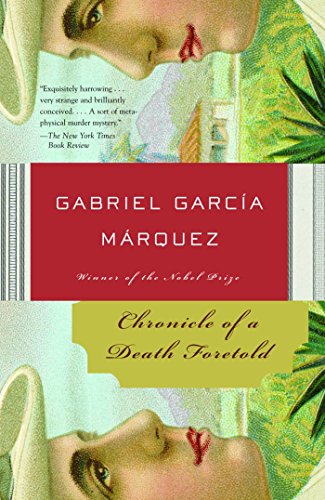 Chronicle of a Death ForetoldGabriel García Márquez, Gregory Rabassa
 For Whom the Bell TollsErnest Hemingway
 The Last QuestionIsaac Asimov
 The 5th WaveRick Yancey
 The Killer AngelsMichael Shaara
 The Martian ChroniclesRay Bradbury
 Cloud AtlasDavid Mitchell
 The Forever WarJoe Haldeman
 I, RobotIsaac Asimov
 Kill SwitchPenelope Douglas
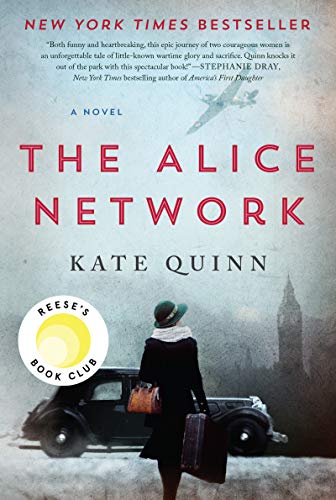 The Alice NetworkKate Quinn
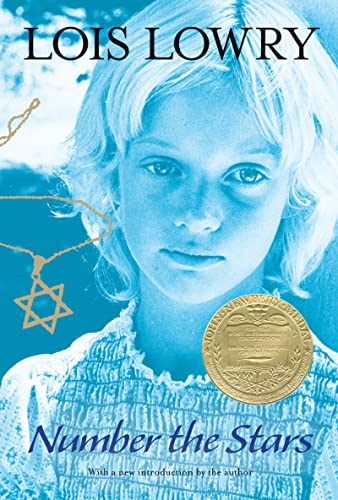 Number the StarsLois Lowry
 The SympathizerViet Thanh Nguyen
 City of ThievesDavid Benioff
Trusted by the world's leading brands

Powerful ideas from top nonfiction
Try Blinkist to get the key ideas from 7,500+ bestselling nonfiction titles and podcasts. Listen or read in just 15 minutes.
Get started
Blink 3 of 8 - The 5 AM Club
by Robin Sharma