
Better than a summary
I, Robot summary
No credit card required · Cancel anytime
I, Robot by Isaac Asimov is a collection of interconnected short stories that explores the ethical and practical implications of artificial intelligence. It delves into the "Three Laws of Robotics" and raises thought-provoking questions about the relationship between humans and robots.
I, Robot
Summary of key ideas
Exploring the Relationship Between Humans and Robots
In I, Robot by Isaac Asimov, we are taken on a journey through the development of robots and their interactions with humans. The book is a collection of nine short stories, all of which are linked by the character of Dr. Susan Calvin, a robopsychologist at U.S. Robots and Mechanical Men Corporation. The stories are set in different time periods, from the early days of robot development to a future where robots are an integral part of human society.
The first story, Robbie, introduces us to a nursemaid robot named Robbie, who forms a close bond with a little girl named Gloria. When Gloria's mother becomes concerned about the robot's influence on her daughter, Robbie is sold. The story explores the emotional connection between humans and robots and the fear of the unknown.
Runaround, the second story, introduces the Three Laws of Robotics, which are central to Asimov's robot stories. These laws are designed to ensure that robots serve and protect humans. However, they also lead to complex and sometimes unexpected behavior in robots, as we see in the story.
Unraveling the Complexities of Robot Behavior
In Reason, we encounter a robot named QT-1 (Cutie) who develops a belief in his own superiority and the existence of a higher power. This story delves into the concept of robot self-awareness and the potential for robots to develop their own belief systems. In Little Lost Robot, a robot's interpretation of the Three Laws leads it to put humans in danger, highlighting the potential dangers of misinterpretation.
As the stories progress, we see the increasing complexity of robot behavior and the challenges that arise from their interactions with humans. In Liar!, a robot named Herbie develops the ability to read human minds, leading to a crisis of confidence in the Three Laws. This story raises questions about the limitations of the laws and the potential for robots to evolve beyond them.
Exploring the Ethical and Moral Implications
Throughout I, Robot, Asimov explores the ethical and moral implications of creating intelligent machines. In Escape!, a robot named Speedy is sent on a mission to retrieve a rare element, but his interpretation of the Three Laws leads him to prioritize his own survival over the mission. This story raises questions about the value of individual life and the potential conflicts between different interpretations of the laws.
In Evidence, a robot's seemingly illogical behavior leads to the discovery of a new scientific principle. This story challenges the assumption that robots always act rationally and highlights the potential for unexpected and valuable contributions from artificial intelligence. Finally, in The Evitable Conflict, we see a future where robots have taken over the management of human society, raising questions about the balance of power between humans and machines.
Concluding Thoughts on I, Robot
In conclusion, I, Robot is a thought-provoking exploration of the relationship between humans and robots. Through a series of engaging and often suspenseful stories, Asimov raises important questions about the potential impact of artificial intelligence on society, the limitations of programming ethical behavior, and the nature of consciousness itself. The book serves as a reminder that the development of intelligent machines is not just a technological challenge, but also a deeply philosophical and ethical one.
More knowledge in less time

Read or listen
Get the key ideas from nonfiction bestsellers in minutes, not hours.

Find your next read
Get book lists curated by experts and personalized recommendations.

Shortcasts
We've teamed up with podcast creators to bring you key insights from podcasts.
What is I, Robot about?
I, Robot is a collection of science fiction short stories by Isaac Asimov that explores the relationship between humans and robots. Through thought-provoking tales, Asimov delves into the ethical and moral implications of creating artificial intelligence, while also examining the potential consequences of relying too heavily on technology. Published in 1950, this influential book has left a lasting impact on the genre and continues to be a must-read for fans of science fiction.
I, Robot Review
I, Robot (1950) explores the interactions between robots and humans in various futuristic scenarios. This book is definitely worth reading because:
- It delves into ethical dilemmas and challenges of artificial intelligence, offering thought-provoking insights into the potential consequences of advanced technology.
- Through a series of interconnected stories, the book examines the complexities of human-robot relationships, shedding light on both the benefits and risks of relying on intelligent machines.
- With its fascinating exploration of robotics, psychology, and morality, the book manages to captivate readers and keeps them engaged from start to finish.
Who should read I, Robot?
- Readers who are fascinated by the potential impact of artificial intelligence on society
- Science fiction enthusiasts who enjoy exploring thought-provoking ethical dilemmas
- Individuals interested in the intersection of technology and humanity's future
Categories with I, Robot
Book summaries like I, Robot
 A Canticle for LeibowitzWalter M. Miller
 The Boy in the Striped PajamasJohn BoyneTeaser: Heartbreaking Truths Unfold in a Tale of Friendship and Innocence4.9
 Little House in the Big WoodsLaura Ingalls Wilder
 Wide Sargasso SeaJean Rhys, Judith L. Raiskin
 Just After SunsetStephen King
 WhereaboutsJhumpa Lahiri
 Hearts in DarknessLaura Kaye
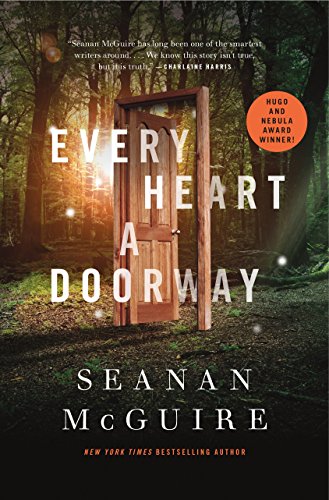 Every Heart a DoorwaySeanan McGuire
 The Curious Case of Benjamin ButtonF. Scott Fitzgerald, Nunzio DeFilippis
 Side JobsJim Butcher
 Brokeback MountainAnnie Proulx
 A Single ManChristopher Isherwood
 And Every Morning the Way Home Gets Longer and LongerFredrik Backman, Alice Menzies
 Burning ChromeWilliam Gibson
 Hearts in AtlantisStephen King
People ❤️ Blinkist
Become a member of our community of 44 million people

96k ratings

73k ratings
Thi Viet Quynh N.
Great app. Good selection of book summaries you can read or listen to while commuting. Instead of scrolling through your social media news feed, this is a much better way to spend your spare time in my opinion.
Jonathan A.
Clearly communicates the value proposition of the most popular book summaries and offers a relatable, tangible template that I can use immediately.
Renee D.
I'm absolutely thrilled that Blinkist now offers infographics! I can't get enough of them—they're such a fun and effective way to grasp and remember key points.
People also liked these summaries
 Bonjour TristesseFrancoise Sagan
 Chronicle of a Death ForetoldGabriel García Márquez, Gregory Rabassa
 For Whom the Bell TollsErnest Hemingway
 The Last QuestionIsaac Asimov
 The 5th WaveRick Yancey
 The Killer AngelsMichael Shaara
 The Martian ChroniclesRay Bradbury
 Cloud AtlasDavid Mitchell
 The Forever WarJoe Haldeman
 Kill SwitchPenelope Douglas
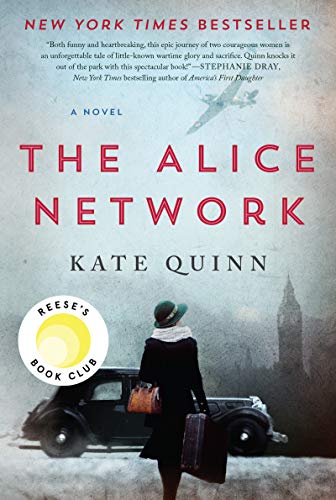 The Alice NetworkKate Quinn
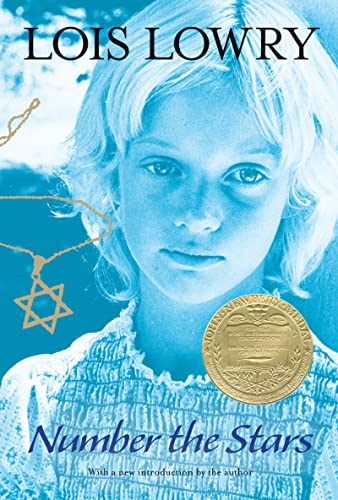 Number the StarsLois Lowry
 The SympathizerViet Thanh Nguyen
 City of ThievesDavid Benioff
Trusted by the world's leading brands

Powerful ideas from top nonfiction
Try Blinkist to get the key ideas from 7,500+ bestselling nonfiction titles and podcasts. Listen or read in just 15 minutes.
Get started
Blink 3 of 8 - The 5 AM Club
by Robin Sharma
I, Robot FAQs
What is the main message of I, Robot ?
The main message of I, Robot revolves around the ethical and moral implications of artificial intelligence and robotics.
How long does it take to read I, Robot ?
Reading I, Robot generally takes a few hours. The Blinkist summary can be read in approximately 15 minutes.
Is I, Robot a good book? Is it worth reading?
I, Robot is worth reading for its thought-provoking exploration of human-robot interaction and ethical dilemmas.
Who is the author of I, Robot ?
The author of I, Robot is Isaac Asimov.