
A Course in Computational Algebraic Number Theory by Henri Cohen provides a comprehensive introduction to the use of computational methods in the study of algebraic number theory. From basic concepts to advanced techniques, the book covers a wide range of topics including factorization, primality testing, class group computation, and more. It is a valuable resource for students and researchers interested in the intersection of number theory and computer science.
The best 19 Abstract Algebra books
What's A Course in Computational Algebraic Number Theory about?
Who should read A Course in Computational Algebraic Number Theory?
Graduate students and researchers in mathematics, computer science, or cryptography
Professionals working in the field of number theory or computational algorithms
Individuals with a strong background in mathematics and a keen interest in advanced computational techniques
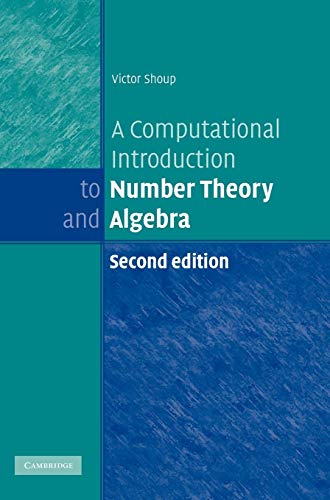
What's A Computational Introduction to Number Theory and Algebra about?
A Computational Introduction to Number Theory and Algebra by Victor Shoup provides a unique approach to learning these mathematical concepts. By integrating computational methods and algorithms, the book offers a practical and engaging way to explore number theory and algebra. It is suitable for students and professionals in mathematics, computer science, and related fields.
Who should read A Computational Introduction to Number Theory and Algebra?
Students or professionals in computer science who want to deepen their understanding of number theory and algebra
Individuals interested in cryptography, data security, and encryption techniques
Mathematics enthusiasts looking for a practical and computational approach to number theory and algebra
What's Basic Algebra II about?
Basic Algebra II by Nathan Jacobson is a comprehensive textbook that delves into advanced topics in algebra. It covers areas such as group theory, ring theory, field theory, and module theory, providing in-depth explanations and numerous examples. Whether you're a student or a math enthusiast, this book serves as an invaluable resource for understanding the intricacies of algebraic structures.
Who should read Basic Algebra II?
Students and educators seeking a comprehensive understanding of algebraic concepts
Those looking to build a strong foundation in abstract algebra and its applications
Individuals with a passion for mathematics and a desire to deepen their knowledge in the subject
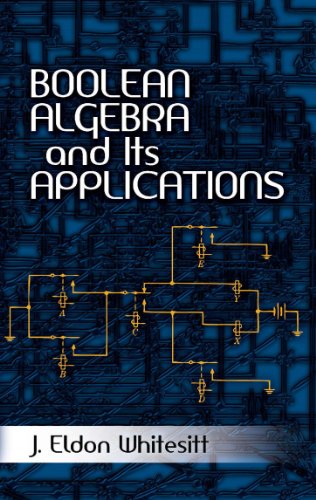
What's Boolean Algebra and Its Applications about?
Boolean Algebra and Its Applications by J. Eldon Whitesitt provides a comprehensive introduction to the fundamental concepts of Boolean algebra and its practical applications in various fields such as computer science, engineering, and mathematics. Through clear explanations and examples, the book equips readers with the knowledge and skills to analyze and simplify digital circuits, solve logic problems, and understand the underlying principles of modern technology.
Who should read Boolean Algebra and Its Applications?
Students and professionals in computer science, electrical engineering, or related fields
Individuals interested in understanding the fundamentals of digital logic and circuit design
Readers looking to improve their problem-solving skills and logical reasoning abilities
What's CLEP® College Algebra about?
CLEP® College Algebra by Stu Schwartz provides a comprehensive review of the key concepts and skills needed to excel in the College Algebra CLEP exam. The book includes practice questions, detailed explanations, and test-taking strategies to help you prepare effectively and earn college credit. Whether you are a high school student, adult learner, or anyone looking to demonstrate their proficiency in college-level algebra, this book is an invaluable resource.
Who should read CLEP® College Algebra?
High school or college students preparing for the CLEP College Algebra exam
Adult learners looking to earn college credit and save on tuition
Math enthusiasts who want to refresh their algebra skills
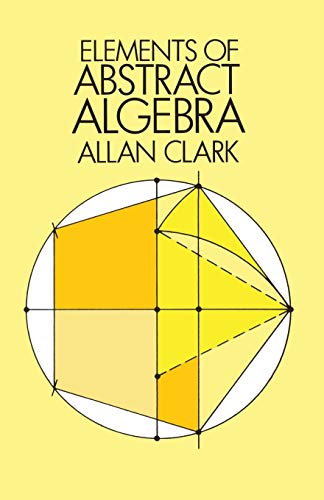
What's Elements of Abstract Algebra about?
Elements of Abstract Algebra by Allan Clark provides a comprehensive introduction to the fundamental concepts of abstract algebra. From group theory to field theory, this book explores various algebraic structures and their properties, making it an essential read for students and enthusiasts of pure mathematics.
Who should read Elements of Abstract Algebra?
Undergraduate or graduate students studying abstract algebra
Mathematics enthusiasts looking to deepen their understanding of algebraic structures
Teachers or educators seeking a comprehensive resource for teaching abstract algebra
What's Geometry of Sets and Measures in Euclidean Spaces about?
Geometry of Sets and Measures in Euclidean Spaces by Pertti Mattila delves into the intricate world of geometric properties and measures of sets in Euclidean spaces. From fractals to Hausdorff measures, this book provides a comprehensive exploration of the underlying principles and theorems that govern these mathematical concepts. It is a must-read for anyone interested in the fascinating intersection of geometry and measure theory.
Who should read Geometry of Sets and Measures in Euclidean Spaces?
Mathematics students and researchers interested in geometric measure theory
Professionals working in fields such as computer graphics, image processing, and data analysis
Readers seeking a deeper understanding of the mathematical foundations of geometric properties of sets and measures
What's Higher Topos Theory about?
Higher Topos Theory by Jacob Lurie provides a comprehensive introduction to the field of higher category theory. It explores the concept of infinity-topoi and their applications in algebraic geometry, homotopy theory, and mathematical physics. The book offers a deep and insightful analysis of this advanced mathematical topic.
Who should read Higher Topos Theory?
Graduate students and researchers in mathematics, specifically those interested in category theory and algebraic topology
Mathematicians looking to expand their understanding of higher categorical structures and their applications
Academics and professionals seeking a comprehensive and rigorous treatment of higher topos theory
What's Introduction to Lattices and Order about?
Introduction to Lattices and Order by B. A. Davey provides a comprehensive introduction to the mathematical concepts of lattices and order. It covers topics such as partial orders, lattices, Boolean algebras, and applications in computer science and logic. With clear explanations and examples, this book is suitable for students and researchers interested in discrete mathematics and theoretical computer science.
Who should read Introduction to Lattices and Order?
Students and researchers in mathematics, computer science, and related fields
Professionals looking to understand and apply concepts of order and lattices in their work
Individuals with a strong interest in abstract algebra and discrete structures
What's Lie Algebras In Particle Physics about?
Lie Algebras In Particle Physics by Howard Georgi provides a comprehensive introduction to the application of Lie algebras in the field of particle physics. It covers the fundamental concepts of Lie algebras and their relevance to the study of elementary particles and their interactions. The book also delves into the mathematical structures that underpin the Standard Model of particle physics, making it an essential read for students and researchers in the field.
Who should read Lie Algebras In Particle Physics?
Physicists and graduate students interested in particle physics and quantum field theory
Those who want to understand the mathematical framework behind the Standard Model of particle physics
Readers who enjoy challenging and thought-provoking books that push the boundaries of their knowledge
What's Naive Lie Theory about?
Naive Lie Theory by John Stillwell offers an accessible introduction to the complex mathematical theory of Lie groups and Lie algebras. Through clear explanations and examples, the book aims to demystify these abstract concepts and make them understandable to a wider audience. It is a great read for anyone interested in delving into the world of advanced mathematics.
Who should read Naive Lie Theory?
Undergraduate students studying mathematics or physics
Readers interested in abstract algebra and group theory
Individuals looking to expand their understanding of Lie theory and its applications
What's Pure Mathematics for Beginners about?
Pure Mathematics for Beginners by Steve Warner provides a comprehensive introduction to the fundamental concepts and principles of pure mathematics. It covers topics such as algebra, geometry, calculus, and more, making it an ideal resource for those new to the subject.
Who should read Pure Mathematics for Beginners?
Beginners who want to build a strong foundation in pure mathematics
Students preparing for college-level mathematics courses
Self-learners who are curious about the principles of pure mathematics
What's Student Solutions Manual for Gallian's Contemporary Abstract Algebra, 9th about?
Student Solutions Manual for Gallian's Contemporary Abstract Algebra, 9th by Joseph A. Gallian provides step-by-step solutions to the exercises in the main textbook. It serves as a valuable resource for students studying abstract algebra, offering additional explanations and guidance to help them understand and master the material.
Who should read Student Solutions Manual for Gallian's Contemporary Abstract Algebra, 9th?
Undergraduate students studying abstract algebra
Individuals looking to enhance their problem-solving skills in algebra
Those who want to deepen their understanding of algebraic structures and concepts
What's The Linear Algebra a Beginning Graduate Student Ought to Know about?
The Linear Algebra a Beginning Graduate Student Ought to Know by Jonathan S. Golan provides a comprehensive introduction to the fundamental concepts of linear algebra. It covers topics such as vector spaces, linear transformations, eigenvalues, eigenvectors, and matrix factorizations, with a focus on theoretical understanding and practical applications. This book is an essential resource for graduate students and researchers in mathematics, computer science, engineering, and other related fields.
Who should read The Linear Algebra a Beginning Graduate Student Ought to Know?
Graduate students in mathematics or related fields who need a solid foundation in linear algebra
Professionals in data science, computer graphics, or engineering looking to deepen their understanding of linear algebra
Individuals with a strong mathematical background who want to explore advanced concepts in linear algebra
What's Undergraduate Algebra about?
Undergraduate Algebra by Serge Lang provides a comprehensive introduction to algebraic structures and concepts at an undergraduate level. From basic operations and properties to advanced topics like group theory and Galois theory, this book offers clear explanations and numerous examples to help students develop a solid understanding of algebra.
Who should read Undergraduate Algebra?
Undergraduate students majoring in mathematics or related fields
Individuals seeking a comprehensive understanding of algebraic structures and concepts
Readers looking for clear explanations, examples, and exercises to reinforce their learning
What's Advanced Modern Algebra about?
Advanced Modern Algebra by Joseph J. Rotman provides a comprehensive and rigorous exploration of abstract algebra. It delves into advanced topics such as group theory, ring theory, field theory, and Galois theory, offering a deep understanding of the subject. With its clear explanations and challenging exercises, this book is ideal for graduate students and researchers in mathematics.
Who should read Advanced Modern Algebra?
Graduate students and researchers in mathematics
Those with a strong foundation in abstract algebra and a desire to delve deeper into the subject
Mathematics educators looking for a comprehensive resource to support their teaching
What's An Introduction to the Theory of Groups about?
An Introduction to the Theory of Groups by Joseph J. Rotman provides a comprehensive introduction to the study of groups in abstract algebra. It covers the basic concepts and theorems, as well as more advanced topics such as group actions, solvable and nilpotent groups, and the Sylow theorems. With clear explanations and numerous examples, it is a valuable resource for students and researchers alike.
Who should read An Introduction to the Theory of Groups?
Undergraduate and graduate students studying mathematics
Mathematics educators and instructors looking for a comprehensive introduction to group theory
Self-motivated learners with a strong foundation in algebra and a desire to explore abstract mathematical concepts
What's Quantum Mechanics about?
Quantum Mechanics by Leonard Susskind is a comprehensive guide that delves into the fascinating world of quantum physics. It provides a clear and accessible explanation of complex concepts such as wave-particle duality, quantum entanglement, and the uncertainty principle. Whether you're a beginner or an enthusiast, this book offers a thought-provoking journey into the mind-bending realm of quantum mechanics.
Who should read Quantum Mechanics?
Individuals with a strong interest in understanding the fundamental principles of the physical world
Students and professionals in the fields of physics, engineering, and related sciences
Readers who enjoy intellectually challenging and thought-provoking content
What's Topics in Algebra about?
Topics in Algebra by I. N. Herstein is a classic text that covers a wide range of algebraic concepts. It delves into group theory, ring theory, field theory, and more, providing clear explanations and engaging exercises. Whether you're a student or a math enthusiast, this book is a valuable resource for understanding abstract algebra.
Who should read Topics in Algebra?
Undergraduate or graduate students studying abstract algebra
Mathematics enthusiasts looking to deepen their understanding of algebraic structures
Teachers or educators seeking a comprehensive resource for teaching algebraic concepts




Related topics
Frequently asked questions about Abstract Algebra
What's the best Abstract Algebra book to read?
While choosing just one book about a topic is always tough, many people regard A Course in Computational Algebraic Number Theory as the ultimate read on Abstract Algebra.
What are the top 10 Abstract Algebra books?
Blinkist curators have picked the following:
- A Course in Computational Algebraic Number Theory by Henri Cohen
- A Computational Introduction to Number Theory and Algebra by Victor Shoup
- Basic Algebra II by Nathan Jacobson
- Boolean Algebra and Its Applications by J. Eldon Whitesitt
- CLEP® College Algebra by Stu Schwartz
- Elements of Abstract Algebra by Allan Clark
- Geometry of Sets and Measures in Euclidean Spaces by Pertti Mattila
- Higher Topos Theory by Jacob Lurie
- Introduction to Lattices and Order by B. A. Davey
- Lie Algebras In Particle Physics by Howard Georgi
Who are the top Abstract Algebra book authors?
When it comes to Abstract Algebra, these are the authors who stand out as some of the most influential:
- Henri Cohen
- Victor Shoup
- Nathan Jacobson
- J. Eldon Whitesitt
- Stu Schwartz