Better than a summary
How to Survive a Pandemic summary
No credit card required · Cancel anytime
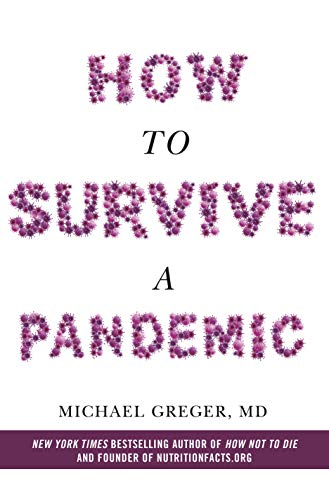
How to Survive a Pandemic by Michael Greger provides valuable insights and practical advice on protecting ourselves from infectious diseases. It offers a comprehensive understanding of pandemics and strategies to prevent and mitigate their impact.
Topics
Table of Contents
How to Survive a Pandemic
Summary of key ideas
The Origin of Pandemics
In How to Survive a Pandemic by Michael Greger, the author begins by exploring the origins of pandemics. He explains that most pandemics are zoonotic in nature, meaning they originate from animals. He delves into the history of pandemics, starting from the Spanish flu of 1918 to the more recent outbreaks of SARS, MERS, and COVID-19, highlighting the role of animals, particularly wildlife, in the transmission of these diseases to humans.
Greger emphasizes that the increasing human encroachment into wildlife habitats, coupled with the wildlife trade and factory farming, has escalated the risk of zoonotic spillover. The book discusses the conditions in which these spillovers occur and the factors that amplify their spread, such as urbanization, global travel, and climate change. Greger argues that understanding the origins of pandemics is crucial for preventing future outbreaks.
Preventing Future Outbreaks
In the next part of How to Survive a Pandemic, Greger explores strategies to prevent future pandemics. He advocates for a shift towards a more plant-based diet and sustainable agricultural practices to reduce the risk of zoonotic spillovers. The author also stresses the importance of early detection and rapid response, citing examples of countries that successfully contained outbreaks through robust public health measures.
Greger discusses the role of technology in pandemic prevention, highlighting the potential of artificial intelligence, big data, and genomic surveillance in tracking and predicting disease outbreaks. He also emphasizes the need for international collaboration and information sharing to effectively combat global health threats.
Surviving a Pandemic
The latter part of the book focuses on surviving a pandemic, drawing lessons from past outbreaks. Greger provides practical advice on personal protective measures, such as hand hygiene, mask-wearing, and social distancing, stressing their effectiveness in reducing disease transmission. The author also discusses the role of vaccines and antiviral drugs in controlling pandemics.
Greger further explores the social and economic impacts of pandemics, highlighting the disparities in healthcare access and the disproportionate burden on marginalized communities. He argues for a more equitable approach to pandemic response, ensuring that everyone, regardless of their socioeconomic status or geographic location, has access to essential healthcare services.
Lessons Learned and Moving Forward
In the concluding chapters of How to Survive a Pandemic, Greger reflects on the lessons learned from the COVID-19 pandemic. He acknowledges the shortcomings in the global response and the need for better preparedness for future health crises. The author stresses the importance of learning from past mistakes and adapting our approach to pandemic prevention and control.
Greger ends the book with a call to action, urging individuals, governments, and international organizations to prioritize pandemic preparedness and address the root causes of zoonotic spillovers. He emphasizes that the survival of future pandemics depends on our ability to coexist with nature, respect animal welfare, and build a more resilient global health system.
In conclusion, How to Survive a Pandemic by Michael Greger provides a comprehensive exploration of pandemics, from their origins to prevention and survival strategies. The book serves as a timely reminder of the interconnectedness of human, animal, and environmental health, and the urgent need for a more holistic approach to pandemic management.
More knowledge in less time

Read or listen
Get the key ideas from nonfiction bestsellers in minutes, not hours.

Find your next read
Get book lists curated by experts and personalized recommendations.

Shortcasts
We've teamed up with podcast creators to bring you key insights from podcasts.
What is How to Survive a Pandemic about?
How to Survive a Pandemic by Michael Greger discusses the origins of pandemics and offers practical advice on how to prevent and prepare for future outbreaks. Drawing on scientific research and real-life examples, the book provides valuable insights into the spread of infectious diseases and the measures we can take to safeguard our health.
How to Survive a Pandemic Review
- Offers in-depth insights on the history and science behind pandemics, enhancing readers' understanding of current global health challenges.
- Presents practical tips and strategies for preparing and protecting oneself during outbreaks, empowering readers with valuable knowledge.
- Engages readers through its accessible language and compelling storytelling, ensuring that even complex information remains engaging and memorable.
Who should read How to Survive a Pandemic?
Individuals seeking a comprehensive understanding of pandemics and how to protect themselves
Healthcare professionals looking to expand their knowledge on infectious diseases and public health
Policy makers and government officials involved in pandemic preparedness and response
Categories with How to Survive a Pandemic
Book summaries like How to Survive a Pandemic
 Eating AnimalsJonathan Safran FoerThe (a)morality of our eating habits and traditions4.3
 The Omnivore's DilemmaMichael PollanA Natural History of Four Meals4.4
 SavorHanh & CheungMindful Eating, Mindful Life4.0
 Eat to LiveJoel FuhrmanThe Amazing Nutrient-Rich Program for Fast and Sustained Weight Loss4.2
 Nutrition and Physical DegenerationWeston Andrew PriceA Comparison of Primitive and Modern Diets and their Effects4.2
 Salt Sugar FatMichael MossHow the Food Giants Hooked Us4.2
 Mindless EatingBrian WansinkWhy We Eat More Than We Think4.2
 The Twenty-Four Hour MindRosalind D. CartwrightThe Role of Sleep and Dreaming in Our Emotional Lives3.8
 GutGiulia EndersThe Inside Story of Our Body’s Most Underrated Organ4.3
 The Happiness of PursuitChris GuillebeauFinding the Quest That Will Bring Purpose to Your Life4.5
 Grain BrainDavid PerlmutterThe Surprising Truth about Wheat, Carbs, and Sugar4.3
 The Easy Way to Stop SmokingAllen CarrJoin the Millions Who Have Become Non-Smokers Using Allen Carr's Easyway Method4.1
 The Bulletproof DietDave AspreyLose up to a Pound a Day, Reclaim Energy and Focus, Upgrade Your Life4.3
 Get Some HeadspaceAndy Puddicombe10 Minutes Can Make All the Difference4.4
 In Defense of FoodMichael PollanAn Eaters Manifesto4.5
People ❤️ Blinkist
Become a member of our community of 44 million people

96k ratings

73k ratings
Sven O.
It's highly addictive to get core insights on personally relevant topics without repetition or triviality. Added to that the apps ability to suggest kindred interests opens up a foundation of knowledge.
Guillem B.
Life changing. The concept of being able to grasp a book's main point in such a short time truly opens multiple opportunities to grow every area of your life at a faster rate.
Laura H.
When I saw Blinkist had produced an infographic style Blink for the Rich Dad, Poor Dad book, it was a good reminder of the concepts I loved.
People also liked these summaries
 Do You Believe in Magic?Paul A. OffitVitamins, Supplements, and All Things Natural: A Look Behind the Curtain 2.7
 Brain MakerDavid PerlmutterThe Power of Gut Microbes to Heal and Protect Your Brain4.3
 The Blue ZonesDan Buettner9 Lessons for Living Longer From the People Who've Lived the Longest4.4
 The Third PlateDan BarberField Notes on the Future of Food 4.2
 The China StudyThomas Campbell and T. Colin CampbellThe Most Comprehensive Study of Nutrition Ever Conducted And the Startling Implications for Diet, Weight Loss, And Long-term Health4.1
 Missing MicrobesMartin J. BlaserHow the Overuse of Antibiotics Is Fueling Our Modern Plagues4.2
 The Paleo ManifestoJohn DurantAncient Wisdom for Lifelong Health4.2
 What The Fork Are you Eating?Stefanie SacksAn Action Plan for Your Pantry and Plate4.0
 The Boys in the BoatDaniel James BrownNine Americans and Their Epic Quest for Gold at the 1936 Berlin Olympics4.3
 I Can Hear You WhisperLydia DenworthAn Intimate Journey through the Science of Sound and Language3.9
 ImmunityWilliam E. PaulTeaser: The importance of our immune system4.2
 Ending AgingAubrey de Grey, Michael RaeThe Rejuvenation Breakthroughs That Could Reverse Human Aging in Our Lifetime3.4
 Eat, Move, SleepTom RathHow Small Choices Lead to Big Changes4.0
 Too Much of a Good Thing Lee GoldmanHow Four Key Survival Traits Are Now Killing Us
3.8
Too Much of a Good Thing Lee GoldmanHow Four Key Survival Traits Are Now Killing Us
3.8 EradicationNancy Leys StepanRidding the World of Diseases Forever3.7
Trusted by the world's leading brands

Powerful ideas from top nonfiction
Try Blinkist to get the key ideas from 7,500+ bestselling nonfiction titles and podcasts. Listen or read in just 15 minutes.
Get started
Blink 3 of 8 - The 5 AM Club
by Robin Sharma