Better than a summary
Biopunk summary
Marcus Wohlsen
No credit card required · Cancel anytime
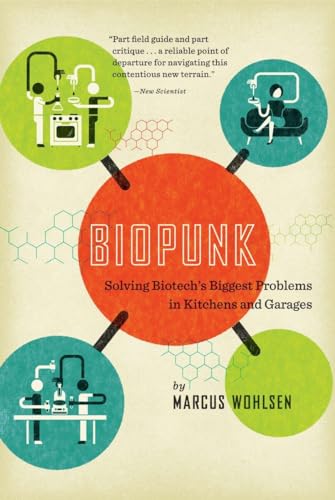
Biopunk by Marcus Wohlsen is a captivating exploration of the DIY biology movement. It delves into the world of biohackers and their quest to democratize biotechnology, highlighting the potential risks and rewards of this burgeoning field.
Topics
Biopunk
Summary of key ideas
Biopunk: The Rise of Citizen Science in Biotechnology
In Biopunk by Marcus Wohlsen, we are introduced to a new wave of bio-enthusiasts who are challenging the traditional boundaries of biotechnology. These individuals, often referred to as biohackers, are not content with being mere consumers of biotech products. Instead, they are taking the tools and knowledge of biotechnology into their own hands, literally, and using them to create new solutions to old problems.
Wohlsen begins by chronicling the evolution of biotechnology from a highly specialized field to one that is increasingly accessible to amateurs. He highlights the growing popularity of DIY biology labs and the emergence of community labs where people can experiment with biotech tools and techniques. These labs, often equipped with basic biotech tools such as pipettes, centrifuges, and microscopes, are becoming the breeding grounds for a new breed of bio-entrepreneurs.
The book then delves into the stories of some of these bio-enthusiasts, each with their unique motivations and projects. We meet, for instance, Meredith Patterson, a computer programmer who, dissatisfied with the lack of affordable insulin, began working on a DIY insulin project. We also encounter, Ellen Jorgensen, the co-founder of Genspace, a community biotech lab in Brooklyn, who is passionate about making biotech accessible to the public.
The Promise and Perils of DIY Biology
While Biopunk celebrates the potential of citizen science in biotechnology, it also doesn't shy away from discussing the potential risks and ethical concerns associated with DIY biology. Wohlsen acknowledges that the democratization of biotechnology could lead to unintended consequences, including the creation of biohazards and bioterrorism.
One of the most thought-provoking chapters in the book is a discussion on the DIY biosecurity movement. Wohlsen introduces us to individuals and organizations that are working to develop protocols and regulations to ensure the safe and responsible practice of DIY biology. He also explores the role of the government and traditional biotech institutions in regulating and collaborating with the growing DIY bio community.
Wohlsen further examines the legal and ethical implications of DIY biotech. He raises questions about the ownership of genetically modified organisms (GMOs) created by individuals and the potential intellectual property issues. He also discusses the ethical considerations around DIY human genetic engineering and the need for a broader public dialogue on these issues.
Looking Towards the Future
In the latter part of Biopunk, Wohlsen speculates on the future of DIY biology. He argues that the movement is not just a passing fad but a significant shift in how biotechnology is practiced and understood. He envisions a future where DIY biology labs are as common as hackerspaces and makerspaces, and where bio-enthusiasts routinely tinker with DNA the way computer enthusiasts tinker with software.
Wohlsen also explores the potential societal impacts of DIY biology. He suggests that, if properly harnessed, the creativity and diversity of the DIY bio community could lead to breakthroughs in biotech that traditional institutions might overlook. He also emphasizes the importance of fostering a culture of open-source sharing and collaboration within the DIY bio community to maximize its potential.
In conclusion, Biopunk offers a fascinating glimpse into the world of DIY biology and the individuals who are driving this movement. It challenges us to rethink our traditional notions of biotechnology and to consider the potential benefits and risks of a more democratized approach to biology. Ultimately, the book encourages us to engage in a broader conversation about the future of biotechnology and the role of citizen scientists in shaping it.
More knowledge in less time

Read or listen
Get the key ideas from nonfiction bestsellers in minutes, not hours.

Find your next read
Get book lists curated by experts and personalized recommendations.

Shortcasts
We've teamed up with podcast creators to bring you key insights from podcasts.
What is Biopunk about?
Biopunk by Marcus Wohlsen explores the world of DIY biologists and biohackers who are pushing the boundaries of genetic engineering. From creating glowing plants to developing open-source insulin, Wohlsen delves into the potential and ethical implications of this growing movement.
Biopunk Review
- Explores the world of innovative biohacking that challenges traditional views on biotechnology.
- Examines the ethics and implications of DIY biology, sparking thought-provoking discussions on the future of bioengineering.
- Offers a compelling narrative that combines science, technology, and society, ensuring the topic remains captivating and enlightening.
Who should read Biopunk?
Individuals interested in the intersection of biology and technology
Entrepreneurs looking to understand the potential impact of biotech on various industries
Readers curious about the ethical implications of DIY biology and genetic engineering
Categories with Biopunk
Book summaries like Biopunk
 Where Good Ideas Come FromSteven JohnsonThe Natural History of Innovation4.1
 God is not greatChristopher HitchensHow Religion Poisons Everything3.9
 A Brief History of Time Stephen HawkingFrom the Big Bang to Black Holes4.4
 The Selfish GeneRichard DawkinsA landmark work in the field of biology and evolution4.4
 AntifragileNassim Nicholas TalebThings That Gain from Disorder4.5
 Physics of the futureMichio KakuHow Science Will Shape Human Destiny and Our Daily Lives by the Year 21004.1
 MusicophiliaOliver SacksTales of Music and the Brain, Revised and Expanded Edition4.3
 How Music Works David ByrneHow circumstance and creativity collide in tune4.4
 The Sports GeneDavid EpsteinInside the Science of Extraordinary Athletic Performance4.3
 On intelligence Jeff Hawkins, Sandra BlakesleeHow a New Understanding of the Brain Will Lead to the Creation of Truly Intelligent Machines3.9
 Nutrition and Physical DegenerationWeston Andrew PriceA Comparison of Primitive and Modern Diets and their Effects4.2
 GutGiulia EndersThe Inside Story of Our Body’s Most Underrated Organ4.3
 Bad ScienceBen GoldacreA behind-the-scenes look at the bogus science used to mislead us every day.4.4
 Moonwalking with EinsteinJoshua FoerThe Art and Science of Remembering Everything4.2
 Do No Harm Henry MarshStories of Life, Death, and Brain Surgery4.2
People ❤️ Blinkist
Become a member of our community of 44 million people

96k ratings

177k ratings
Sven O.
It's highly addictive to get core insights on personally relevant topics without repetition or triviality. Added to that the apps ability to suggest kindred interests opens up a foundation of knowledge.
Renee D.
I'm absolutely thrilled that Blinkist now offers infographics! I can't get enough of them—they're such a fun and effective way to grasp and remember key points.
Jonathan A.
Clearly communicates the value proposition of the most popular book summaries and offers a relatable, tangible template that I can use immediately.
People also liked these summaries
 Fluent ForeverGabriel WynerHow to Learn Any Language Fast and Never Forget It4.3
 Life at the Speed of Light J. Craig VenterFrom the Double Helix to the Dawn of Digital Life4.3
 The Language InstinctSteven PinkerHow the Mind Creates Language4.0
 A mind for numbersBarbara OakleyHow to Excel at Math and Science (Even If You Flunked Algebra)4.3
 The Structure of Scientific RevolutionsThomas S. KuhnA groundbreaking study in how science progresses4.3
 SmarterDan HurleyThe New Science of Building Brain Power3.6
 An Astronaut’s Guide to Life on EarthChris HadfieldWhat Going to Space Taught Me About Ingenuity, Determination, and Being Prepared for Anything3.9
 The Demon-Haunted WorldCarl SaganScience as a Candle in the Dark4.3
 Moore’s LawArnold Thackray, David Brock and Rachel JonesThe Life of Gordon Moore, Silicon Valley’s Quiet Revolutionary4.3
 Grain BrainDavid PerlmutterThe Surprising Truth about Wheat, Carbs, and Sugar4.3
 What If?Randall MunroeSerious Scientific Answers to Absurd Hypothetical Questions3.4
 On ImmunityEula BissAn Inoculation3.3
 Sonic BoomJoel Beckerman (Autor), Tyler GrayHow Sound Transforms the Way We Think, Feel, and Buy3.4
 Consider the ForkBee WilsonHow Technology Transforms the Way We Cook and Eat3.8
 Driven Paul Lawrence & Nitin NohriaHow Human Nature Shapes our Choices3.6
Trusted by the world's leading brands

Powerful ideas from top nonfiction
Try Blinkist to get the key ideas from 7,500+ bestselling nonfiction titles and podcasts. Listen or read in just 15 minutes.
Get started
Blink 3 of 8 - The 5 AM Club
by Robin Sharma