
The Bacteria Book by Steve Mould is an engaging and informative exploration of the world of bacteria. From the history of their discovery to their incredible diversity and the important roles they play in our lives, this book provides a fascinating journey into the microscopic realm. With colorful illustrations and easy-to-understand explanations, it offers a captivating look at these tiny organisms and their impact on the world around us.
The best 15 Science For Kids books
What's The Bacteria Book about?
Who should read The Bacteria Book?
Children curious about the world of microbiology
Parents and educators looking for engaging and educational science books for kids
Kids who enjoy interactive and visually appealing learning experiences
What's Grandmother Fish about?
Grandmother Fish by Jonathan Tweet introduces the concept of evolution to young children in a fun and engaging way. Through colorful illustrations and simple text, the book tells the story of our ancient ancestors and how all living things, including us, have evolved over millions of years. It's a great way to start conversations about science and our place in the natural world.
Who should read Grandmother Fish?
Parents or educators looking to introduce young children to the concept of evolution
Those who want to teach kids about the diversity of life on Earth in a fun and accessible way
Caregivers who value science literacy and critical thinking skills in their children
What's Pink Is for Blobfish about?
Pink Is for Blobfish by Jess Keating explores the fascinating world of pink animals, challenging the stereotype that pink is just a "girly" color. Through engaging illustrations and fun facts, the book introduces readers to unique creatures like the pink fairy armadillo and the roseate spoonbill, showcasing the diversity and wonder of the natural world.
Who should read Pink Is for Blobfish?
Curious kids who love learning about the natural world
Parents and educators looking for engaging science books for children
Anyone who enjoys quirky and humorous nonfiction
What's A Nest Is Noisy about?
A Nest Is Noisy is a beautifully illustrated book that explores the diverse and intricate world of nests. From the smallest bee's nest to the largest eagle's nest, the book delves into the fascinating ways in which different animals build their homes. With engaging text and stunning visuals, it offers a captivating journey into the natural world.
Who should read A Nest Is Noisy?
Curious individuals who want to learn about the diverse and intricate world of nests
Children and parents looking for an engaging and educational nature book
Educators seeking a resource to teach young learners about animal habitats and behaviors
What's Cloudette about?
Cloudette by Tom Lichtenheld tells the story of a small, fluffy cloud who discovers that being little doesn't mean she can't make a big difference. Through determination and creativity, Cloudette finds her own unique way to help others and prove that size doesn't matter when it comes to making an impact.
Who should read Cloudette?
Children who enjoy imaginative and creative stories
Parents and educators looking to teach kids about the power of perseverance and making a difference
Readers who appreciate charming illustrations and heartwarming characters
What's How to Be Good at Science, Technology, and Engineering about?
How to Be Good at Science, Technology, and Engineering by DK provides a comprehensive guide for young learners to develop their skills in these fields. Filled with engaging explanations, fun activities, and real-life examples, this book aims to ignite curiosity and inspire the next generation of scientists and engineers.
Who should read How to Be Good at Science, Technology, and Engineering?
Students who want to excel in science, technology, and engineering
Parents looking to support their children's interest in STEM subjects
Educators seeking engaging resources to teach STEM concepts
What's A Stone Sat Still about?
A Stone Sat Still by Brendan Wenzel is a beautiful picture book that explores the concept of perspective. Through stunning illustrations and lyrical prose, it invites readers to see the world from different points of view and appreciate the interconnectedness of all living things. It is a gentle reminder to slow down and take notice of the wonders around us.
Who should read A Stone Sat Still?
Children and parents who enjoy thought-provoking and visually stunning picture books
Educators looking for a story to spark discussions about perspective and the environment
Readers who appreciate beautiful illustrations and lyrical writing
What's What Should Danny Do? about?
What Should Danny Do? by Adir Levy is an interactive children's book that empowers kids to make choices and see the consequences of those choices. Through a series of stories, the book allows young readers to decide what Danny should do in various situations, teaching them about responsibility and the power of their decisions.
Who should read What Should Danny Do??
Parents and educators looking to teach children about the power of their choices
Children who enjoy interactive and engaging storytelling
Individuals interested in promoting empathy, kindness, and positive decision-making in young readers
What's The Story of Snow about?
The Story of Snow by Mark Cassino is a captivating exploration of the science behind snowflakes. Filled with beautiful photographs and clear explanations, the book delves into the unique formation of snow crystals and the incredible diversity of shapes they can take. It's a perfect blend of art and science that will leave readers in awe of the intricate beauty of snow.
Who should read The Story of Snow?
Curious individuals who want to learn about the science behind snowflakes
Teachers or parents looking for educational and visually engaging resources for children
Weather enthusiasts who enjoy understanding the intricate details of natural phenomena
What's The Secret Lake about?
The Secret Lake by Karen Inglis is a captivating children's book that follows siblings Stella and Tom as they stumble upon a hidden time portal in their new neighborhood. Transported to the past, they uncover a family mystery and race against time to set things right. Filled with adventure, friendship, and a touch of magic, this enchanting tale will keep young readers hooked from beginning to end.
Who should read The Secret Lake?
Children aged 8-11 who enjoy mystery and adventure
Parents and educators looking for engaging and educational books for young readers
Anyone who loves stories about friendship, time travel, and exploring hidden secrets
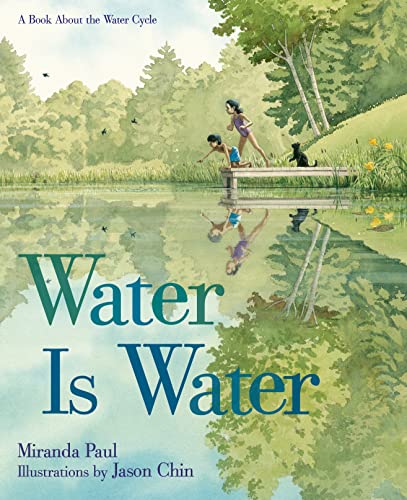
What's Water Is Water about?
Water Is Water by Miranda Paul and illustrated by Jason Chin is a captivating children's book that explores the various forms and functions of water. Through beautiful illustrations and poetic language, the book takes young readers on a journey through the water cycle, showing how water can transform from rain to steam to ice. It is a delightful and educational read that will leave kids with a newfound appreciation for the wonders of water.
Who should read Water Is Water?
Children who are curious about the natural world and want to learn about the water cycle
Parents and educators looking for a captivating way to teach kids about science and the environment
Readers who appreciate beautifully illustrated and creatively written picture books
What's The Curious Kid's Science Book about?
The Curious Kid's Science Book by Asia Citro is a hands-on guide to exploring the wonders of science. With over 100 creative and engaging activities, this book encourages children to ask questions, make predictions, and conduct experiments to uncover the fascinating world of science. From exploring the properties of water to creating homemade slime, this book is perfect for young scientists eager to learn and discover.
Who should read The Curious Kid's Science Book?
Parents and educators looking for hands-on science activities for kids
Curious children who enjoy exploring and experimenting
Those who want to foster a love for science and critical thinking in young minds
What's Birding Is My Favorite Video Game about?
Birding Is My Favorite Video Game by Rosemary Mosco is a delightful exploration of the world of birdwatching. Through charming illustrations and humorous anecdotes, the book highlights the excitement and joy of observing birds in their natural habitats. It offers valuable insights into the behavior and characteristics of various bird species, making it a must-read for both seasoned birders and anyone curious about the avian world.
Who should read Birding Is My Favorite Video Game?
Individuals who are curious about the natural world and want to learn more about birds and wildlife
People who enjoy a humorous and lighthearted approach to science and environmental topics
Readers who appreciate creative and visually engaging content, such as comics and illustrations
What's Science Comics: Solar System about?
Science Comics: Solar System by Rosemary Mosco takes readers on an entertaining and educational journey through our cosmic neighborhood. Through colorful illustrations and engaging storytelling, the book explores the planets, moons, and other celestial bodies that make up our solar system. It's a perfect blend of fun and facts that will captivate readers of all ages.
Who should read Science Comics: Solar System?
Science enthusiasts, especially those interested in space and astronomy
Children and young adults who want to learn about the solar system in a fun and engaging way
Teachers and educators looking for educational resources to supplement their science curriculum
What's Science Comics: Plagues about?
Science Comics: Plagues by Falynn Koch explores the fascinating world of infectious diseases and their impact on human history. Through engaging illustrations and storytelling, the book delves into the science behind various plagues, from the Black Death to modern-day pandemics, while also shedding light on the efforts to prevent and control these deadly outbreaks.
Who should read Science Comics: Plagues?
Readers who are curious about the history and science of plagues and diseases
Students and educators looking for an engaging way to learn about microbiology and public health
Graphic novel enthusiasts who enjoy visually captivating and informative storytelling




Related topics
Frequently asked questions about Science For Kids
What's the best Science For Kids book to read?
While choosing just one book about a topic is always tough, many people regard The Bacteria Book as the ultimate read on Science For Kids.
What are the top 10 Science For Kids books?
Blinkist curators have picked the following:
Who are the top Science For Kids book authors?
When it comes to Science For Kids, these are the authors who stand out as some of the most influential: