
How to Plan Rigorous Instruction by Robyn R. Jackson provides practical guidance for educators on designing and delivering challenging and engaging lessons. Drawing on research and real-life examples, the book offers strategies for creating rigorous learning experiences that help students develop critical thinking, problem-solving skills, and a deep understanding of the content. It is a valuable resource for teachers looking to enhance their instructional practices.
The best 16 Lesson Planning books
What's How to Plan Rigorous Instruction about?
Who should read How to Plan Rigorous Instruction?
Teachers and educators looking to enhance their instructional planning
Instructional coaches and curriculum specialists seeking practical strategies
Professional development leaders aiming to support teacher growth and effectiveness
What's Learning First, Technology Second about?
Learning First, Technology Second by Liz Kolb challenges the notion that technology should be at the forefront of education. Instead, the book advocates for a focus on learning goals and objectives, with technology being used as a tool to enhance and support those goals. Kolb provides practical strategies and examples to help educators integrate technology in a purposeful and meaningful way.
Who should read Learning First, Technology Second?
Teachers who want to integrate technology into their classrooms in a purposeful and effective way
Educators looking for practical strategies and examples of using technology to enhance student learning
School administrators who want to support their teachers in integrating technology into the curriculum
What's Inquiry-Based Lessons in U.S. History about?
Inquiry-Based Lessons in U.S. History by Jana Kirchner offers a fresh approach to teaching American history. Through thought-provoking questions and engaging activities, this book guides educators in creating dynamic lessons that encourage critical thinking and active learning. By placing students at the center of historical inquiry, it helps them develop a deeper understanding of the complexities and significance of the past.
Who should read Inquiry-Based Lessons in U.S. History?
Teachers looking to engage students in active learning and critical thinking
History educators who want to incorporate primary sources into their curriculum
Educators seeking to promote inquiry-based learning and student-centered instruction
What's Teaching and Learning Stem about?
Teaching and Learning STEM by Richard M. Felder offers practical strategies for educators to enhance student learning in science, technology, engineering, and mathematics (STEM) fields. Drawing on research and real-world examples, the book provides insights into effective teaching methods, curriculum design, and assessment techniques. It is a valuable resource for anyone looking to improve STEM education.
Who should read Teaching and Learning Stem?
STEM educators who want to improve their teaching methods and enhance student learning
Teachers and professors looking for practical strategies to engage and motivate students in STEM subjects
Education professionals interested in incorporating active learning and assessment techniques into their STEM courses
What's Reading Reconsidered about?
Reading Reconsidered by Doug Lemov offers practical strategies and techniques to help educators elevate their students' reading skills. Drawing on research and real-life examples, the book challenges traditional teaching methods and provides innovative approaches to foster a deeper understanding of texts. It is a valuable resource for teachers looking to enhance their reading instruction.
Who should read Reading Reconsidered?
Teachers and educators looking to improve their students' reading skills
Parents wanting to support their children's literacy development
Educational leaders seeking to implement effective reading instruction across their schools
- 6
The Eclectic Homeschooler's Plan Book
Sarah Janisse Brown
What's The Eclectic Homeschooler's Plan Book about?
The Eclectic Homeschooler's Plan Book by Sarah Janisse Brown is a comprehensive guide to organizing and planning your homeschooling journey. Filled with tips, templates, and practical advice, this book helps homeschooling parents create a customized and flexible plan that suits their family's unique needs and learning style.
Who should read The Eclectic Homeschooler's Plan Book?
Parents who are looking for a flexible and customizable homeschooling planner
Homeschooling families who want to incorporate a variety of learning styles and subjects into their curriculum
Individuals who prefer a creative and eclectic approach to education
What's The Joyful Classroom about?
The Joyful Classroom by Responsive Classroom offers practical strategies and insights for creating a positive and engaging learning environment. Drawing on the principles of social-emotional learning and positive discipline, this book provides educators with tools to foster a sense of community, promote student autonomy, and integrate joyful learning experiences into their classrooms.
Who should read The Joyful Classroom?
Teachers who want to create a positive and engaging learning environment
Educators looking for practical strategies to promote social and emotional learning in the classroom
School leaders interested in fostering a joyful school culture
What's Reading in the Wild about?
Reading in the Wild by Donalyn Miller is a guide to nurturing lifelong reading habits in children. Drawing on her own experiences as a teacher and extensive research, Miller offers practical strategies for creating a reading environment that encourages independence, choice, and a love for books. This book is a valuable resource for educators and parents who want to inspire a generation of passionate readers.
Who should read Reading in the Wild?
- Teachers looking to foster a love of reading in their students
- Parents seeking to encourage reading habits in their children
- Librarians and literacy advocates who want to promote a reading culture
What's Teaching Literacy in the Visible Learning Classroom about?
Teaching Literacy in the Visible Learning Classroom by Douglas Fisher explores the most effective strategies for teaching literacy based on the principles of visible learning. Drawing on research and practical examples, Fisher offers insights into how teachers can maximize student learning and achievement in the classroom. This book provides valuable guidance for educators looking to enhance their literacy instruction.
Who should read Teaching Literacy in the Visible Learning Classroom?
Teachers who want to enhance their literacy instruction with evidence-based strategies
Educators looking to understand the principles of Visible Learning and how they apply to literacy
School leaders interested in promoting a culture of effective teaching and learning
What's The First Six Weeks of School about?
The First Six Weeks of School by Responsive Classroom is a practical guide for teachers to establish a positive and productive learning environment in the early weeks of the school year. Focusing on building a sense of community, setting expectations, and teaching social and academic skills, this book offers valuable strategies and activities to help both new and experienced educators create a successful start to the school year.
Who should read The First Six Weeks of School?
- Teachers looking for proven methods to establish a positive classroom community
- New educators seeking practical strategies for managing and engaging students
- Educators who want to create a smooth and successful transition into the school year
- 11
The First Six Weeks of School
Center for Responsive Schools Inc.
What's The First Six Weeks of School about?
The First Six Weeks of School by Center for Responsive Schools Inc. provides a comprehensive guide for teachers to establish a positive and productive learning environment in the early weeks of the school year. Focusing on building relationships, setting expectations, and teaching routines, this book offers practical strategies and activities to help both new and experienced educators create a strong foundation for the rest of the academic year.
Who should read The First Six Weeks of School?
Teachers who want to create a positive and productive classroom environment
New educators looking for practical strategies for the beginning of the school year
Educators who want to establish strong routines and expectations with their students
What's Classroom Management in the Digital Age about?
Classroom Management in the Digital Age by Heather Dowd provides practical strategies for teachers to effectively manage technology in the classroom. With insights on creating a positive digital culture, addressing digital distractions, and promoting responsible technology use, this book is a valuable resource for educators navigating the challenges of the digital age.
Who should read Classroom Management in the Digital Age?
Teachers and educators looking to effectively manage technology in the classroom
Education administrators seeking strategies for integrating digital tools while maintaining classroom discipline
Parents and caregivers interested in understanding how technology impacts classroom management and student behavior
What's Copyrighteous about?
Copyrighteous by Diana Gill is a comprehensive guide that demystifies copyright law and empowers creators to navigate the complex world of intellectual property. With practical advice and real-life examples, Gill explores the principles of fair use, public domain, and creative commons, offering valuable insights for artists, writers, educators, and anyone seeking to protect their work while respecting the rights of others.
Who should read Copyrighteous?
Teachers and educators who want to understand copyright law and its impact on their work
Curriculum designers and instructional materials creators looking to navigate copyright issues
Students and researchers who need to properly cite and use copyrighted materials
What's Positive Mindset Journal for Teachers about?
Positive Mindset Journal for Teachers by Grace Stevens offers a collection of prompts, exercises, and inspirational quotes to help educators cultivate a positive outlook and mindset. This journal provides a space for reflection, goal-setting, and gratitude, empowering teachers to navigate challenges and find joy in their profession.
Who should read Positive Mindset Journal for Teachers?
Teachers who want to cultivate a positive mindset and reduce stress
New educators looking for a tool to navigate the challenges of teaching
Educators who want to prioritize self-care and personal growth
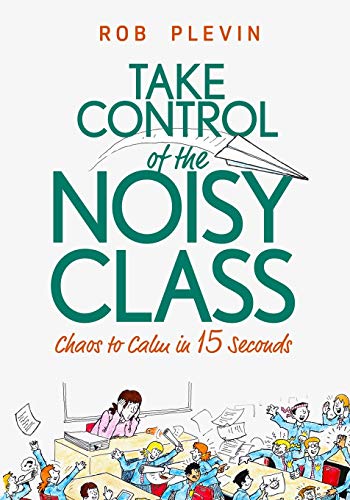
What's Take Control of the Noisy Class about?
Take Control of the Noisy Class by Rob Plevin offers practical strategies and techniques for managing disruptive behavior in the classroom. With real-life examples and step-by-step instructions, this book empowers teachers to regain control, create a positive learning environment, and ultimately improve student outcomes.
Who should read Take Control of the Noisy Class?
Teachers looking to improve classroom management and create a positive learning environment
New and experienced educators seeking practical strategies to handle disruptive behavior
Educators working with challenging students or in high-needs schools
What's The Together Teacher about?
The Together Teacher by Maia Heyck-Merlin offers practical strategies and tools to help educators manage their time, stay organized, and achieve a healthy work-life balance. With a focus on creating effective systems and routines, this book provides valuable insights for teachers looking to streamline their workload and enhance their productivity.
Who should read The Together Teacher?
Teachers who feel overwhelmed by their workload and want to improve their organizational skills
New teachers who are looking for practical strategies to manage their time and resources effectively
Educators who want to create a better work-life balance and avoid burnout



Related topics
Frequently asked questions about Lesson Planning
What's the best Lesson Planning book to read?
While choosing just one book about a topic is always tough, many people regard How to Plan Rigorous Instruction as the ultimate read on Lesson Planning.
What are the top 10 Lesson Planning books?
Blinkist curators have picked the following:
- How to Plan Rigorous Instruction by Robyn R. Jackson
- Learning First, Technology Second by Liz Kolb
- Inquiry-Based Lessons in U.S. History by Jana Kirchner
- Teaching and Learning Stem by Richard M. Felder
- Reading Reconsidered by Doug Lemov
- The Eclectic Homeschooler's Plan Book by Sarah Janisse Brown
- The Joyful Classroom by Responsive Classroom
- Reading in the Wild by Donalyn Miller
- Teaching Literacy in the Visible Learning Classroom by Douglas Fisher
- The First Six Weeks of School by Responsive Classroom
Who are the top Lesson Planning book authors?
When it comes to Lesson Planning, these are the authors who stand out as some of the most influential:
- Robyn R. Jackson
- Liz Kolb
- Jana Kirchner
- Richard M. Felder
- Doug Lemov